


Anxiety affects millions of people across the United States every year. While medication can be helpful for some individuals, many people prefer to explore natural ways to manage anxiety without medication. Lifestyle changes, mental health practices, and healthy habits can significantly reduce anxiety symptoms and improve overall well-being.
Anxiety is the body’s natural response to stress or perceived danger. However, when anxious feelings become persistent or overwhelming, they can interfere with daily life, work performance, and personal relationships.
The good news is that several effective strategies can help calm the mind, reduce stress levels, and support emotional balance without relying solely on medication.
Understanding Anxiety and Its Triggers
Before learning how to manage anxiety, it is important to understand what triggers it.
Common anxiety triggers include:
- Work or financial stress
- Relationship problems
- Health concerns
- Major life changes
- Lack of sleep
- Excess caffeine or stimulant intake
When the brain perceives a threat, it activates the fight-or-flight response, releasing stress hormones like cortisol and adrenaline. This reaction can cause symptoms such as rapid heartbeat, restlessness, and excessive worry.
Learning how to regulate this response is key to managing anxiety naturally.
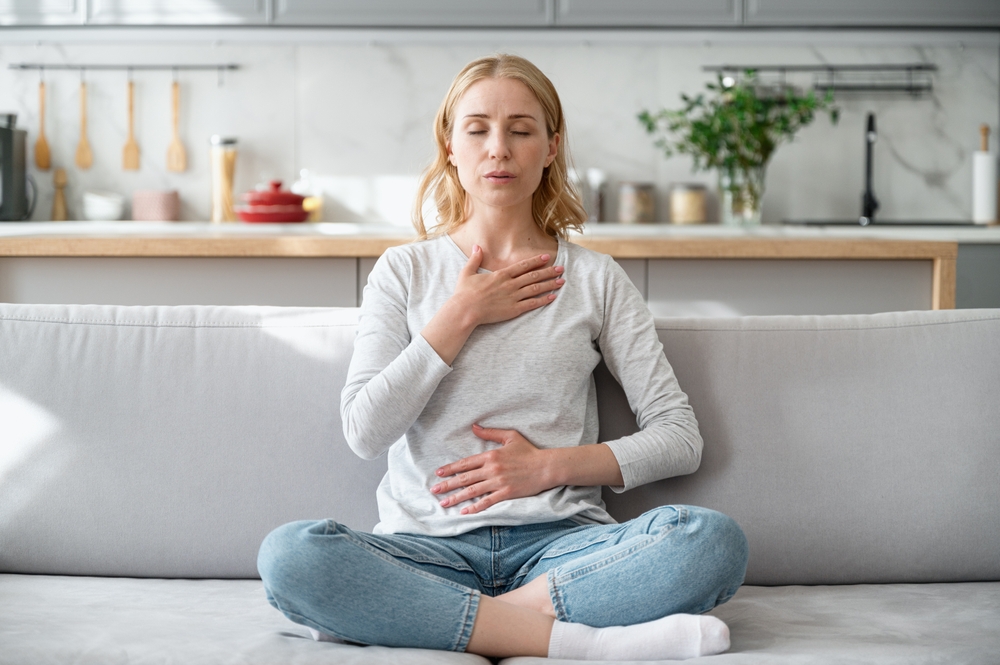
1. Practice Deep Breathing Techniques
One of the simplest and most effective ways to reduce anxiety is controlled breathing.
When anxiety increases, breathing often becomes shallow and rapid. Deep breathing helps calm the nervous system and restore balance.
Simple Breathing Exercise
- Inhale slowly through your nose for four seconds
- Hold your breath for four seconds
- Exhale slowly through your mouth for six seconds
- Repeat for several minutes
This technique signals the brain to relax and reduces physical symptoms of anxiety.
2. Stay Physically Active
Exercise is one of the most powerful natural anxiety reducers.
Physical activity helps release endorphins, which are natural chemicals that improve mood and reduce stress.
Effective Forms of Exercise
- Walking or jogging
- Strength training
- Yoga
- Cycling
- Swimming
Even 30 minutes of moderate exercise several times a week can significantly improve mental health.
Regular exercise also improves sleep quality and boosts confidence, which further helps reduce anxiety.
3. Limit Caffeine and Stimulants
Caffeine stimulates the nervous system and can increase symptoms such as nervousness, restlessness, and a racing heartbeat.
If you experience frequent anxiety, consider reducing:
- Coffee
- Energy drinks
- High-caffeine sodas
- Pre-workout supplements
Switching to herbal teas or decaffeinated beverages can help stabilize your mood and energy levels.
4. Improve Sleep Quality
Sleep and anxiety are closely connected. Poor sleep can increase stress hormones and make anxiety worse.
Tips for Better Sleep
- Maintain a consistent sleep schedule
- Avoid screens at least one hour before bedtime
- Keep your bedroom cool and quiet
- Practice relaxation techniques before sleeping
Adults generally need 7–9 hours of sleep per night for optimal mental health.
Good sleep helps regulate mood and improve emotional resilience.
5. Practice Mindfulness and Meditation
Mindfulness involves focusing your attention on the present moment rather than worrying about the future or dwelling on the past.
Regular mindfulness practice can significantly reduce anxiety levels.
Popular Mindfulness Practices
- Guided meditation
- Body scan exercises
- Mindful breathing
- Journaling thoughts and emotions
Just 10–15 minutes of daily mindfulness practice can help calm racing thoughts and improve emotional control.
6. Maintain a Balanced Diet
Nutrition plays a crucial role in mental health.
A balanced diet helps regulate blood sugar levels and supports brain function, both of which affect anxiety levels.
Foods That Support Mental Health
- Fatty fish rich in omega-3 fatty acids
- Leafy green vegetables
- Whole grains
- Nuts and seeds
- Fruits rich in antioxidants
Avoid excessive sugar and processed foods, as they can cause energy crashes that worsen anxiety symptoms.
7. Stay Connected With Others
Social support is an important factor in managing anxiety.
Talking to trusted friends or family members can help you process emotions and reduce feelings of isolation.
Healthy Social Habits
- Spend time with supportive people
- Share your thoughts openly
- Participate in group activities or hobbies
Positive relationships provide emotional reassurance and help build resilience against stress.
8. Learn Stress Management Techniques
Stress is one of the biggest contributors to anxiety. Developing healthy ways to cope with stress can prevent anxiety from becoming overwhelming.
Effective Stress-Relief Activities
- Listening to music
- Spending time in nature
- Practicing yoga
- Engaging in creative hobbies
Finding activities that help you relax can significantly improve your mental state.
9. Set Realistic Goals and Boundaries
Overcommitting to responsibilities can increase stress and anxiety.
Learning to set boundaries and manage your workload is essential for maintaining mental balance.
Helpful Strategies
- Break large tasks into smaller steps
- Prioritize the most important responsibilities
- Avoid multitasking excessively
- Allow yourself time to rest
Being realistic about your expectations can reduce pressure and improve productivity.
When Should You Seek Professional Help?
While natural strategies can be very effective, some individuals may still experience severe anxiety that requires professional support.
Consider speaking with a mental health professional if:
- Anxiety interferes with daily life
- You experience panic attacks
- Symptoms persist for several months
- Anxiety causes sleep or concentration problems
Therapy approaches such as cognitive behavioral therapy (CBT) are widely used and highly effective in treating anxiety disorders.
FAQs
Can anxiety be managed naturally?
Yes. Many people successfully manage anxiety through lifestyle changes, stress management techniques, and therapy.
How long does it take for natural methods to work?
Some techniques, such as breathing exercises, provide immediate relief, while lifestyle changes may take several weeks to show full benefits.
Is exercise really helpful for anxiety?
Yes. Exercise reduces stress hormones and increases mood-boosting endorphins, making it one of the most effective natural treatments.
Conclusion
Learning how to manage anxiety without medication can empower individuals to take control of their mental health. Simple habits such as regular exercise, mindful breathing, healthy eating, and proper sleep can dramatically reduce anxiety symptoms over time.
By building consistent routines and seeking support when needed, it is possible to achieve a calmer mind and a healthier, more balanced life.
