

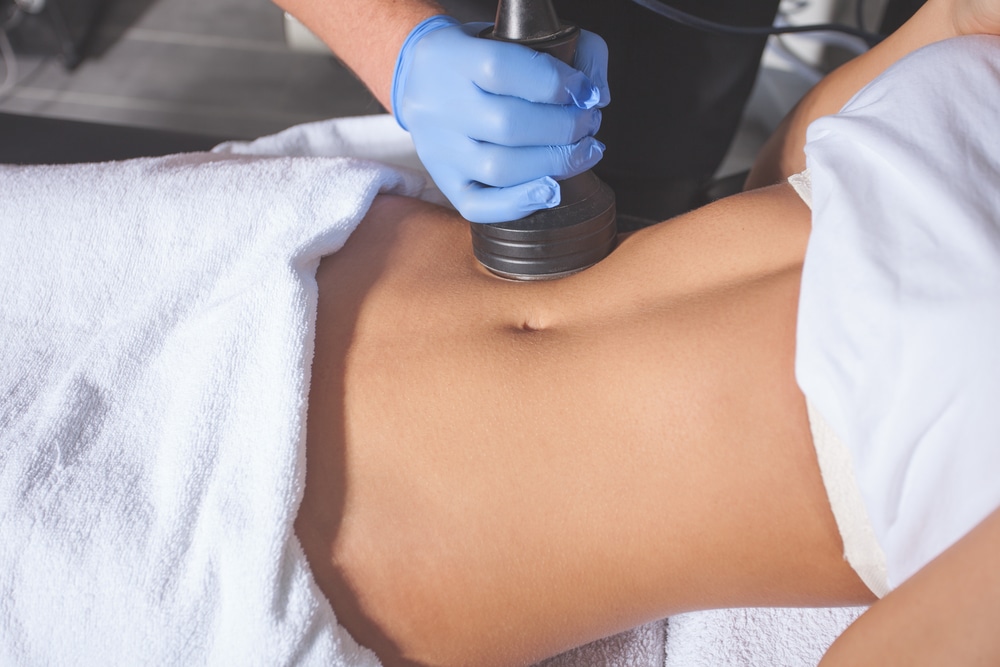

Body contouring is a medical procedure that alters the physical shape of the human body. The process targets specific areas of fat, and it tightens the surrounding skin. Patients may seek these treatments after significant weight loss or to address localized fat deposits. Here is more information on this procedure, how it works, what it addresses, what the process involves, and its benefits:
What Is Body Contouring?
Body contouring encompasses various non-surgical techniques that aim to reshape specific anatomical areas. Clinics use systems like Evolve X; this specific platform utilizes radiofrequency energy to modify tissue. The technology targets the underlying dermal layers and induces structural changes in fat cells. Practitioners apply these devices directly to the patient’s skin.
How Does It Work?
Non-invasive devices transmit energy through the skin, thereby disrupting the cellular integrity of adipose tissue. The body recognizes these damaged cells, and the lymphatic system gradually clears them from the area over several weeks. Radiofrequency treatments stimulate collagen production, which leads to tighter skin. Providers may calibrate the machines based on the patient’s specific tissue density.
What Does It Address?
Clinicians use these procedures to address stubborn fat accumulations in areas that resist dietary changes or physical exercise. Common treatment zones include the abdomen, thighs, and flanks. Some devices also address minor skin laxity, and they improve the overall texture of the treated area.
The technology also assists patients experiencing post-pregnancy anatomical changes and helps restore their previous abdominal contours. Practitioners evaluate the elasticity of the targeted skin, and this assessment dictates the specific treatment parameters. Certain platforms target the submental area beneath the chin to reduce localized volume. These versatile applications provide customized clinical solutions.
What Does the Process Involve?
The process begins with an initial medical consultation, and the practitioner reviews the patient’s complete medical history. The provider measures the targeted anatomical areas and documents the baseline dimensions. During the actual treatment session, the patient lies on a clinical bed, and the technician attaches the device applicators to the skin. The machine operates for a predetermined duration.
The exact duration depends on the specific technology used. Patients may experience mild thermal sensations or physical pressure, but the clinical protocols prioritize physical safety throughout the appointment. The provider removes the applicators once the cycle completes, and the patient receives post-treatment instructions. The clinical staff may schedule follow-up appointments to monitor the treatment outcomes.
What Are the Benefits?
These treatments offer anatomical refinement without surgical intervention. The non-invasive nature of the technology minimizes physical downtime, and patients may resume their standard daily activities immediately. The gradual cellular elimination produces subtle changes over time. Structural improvements in skin elasticity accompany the fat reduction, creating a more uniform physical appearance.
Providers can customize the application for multiple body parts, which improves efficiency. Patients avoid surgical scars. The skin surface remains physically intact throughout the process. The results become permanent if the patient maintains a stable weight, as the treated fat cells do not regenerate.
Know What To Expect
Understanding the mechanisms of body contouring helps patients make informed medical decisions and set realistic outcome expectations. These treatments refine the physical shape, but they do not replace standard weight management practices. A thorough evaluation determines your candidacy for these procedures. Contact a clinic to schedule an initial consultation.
