

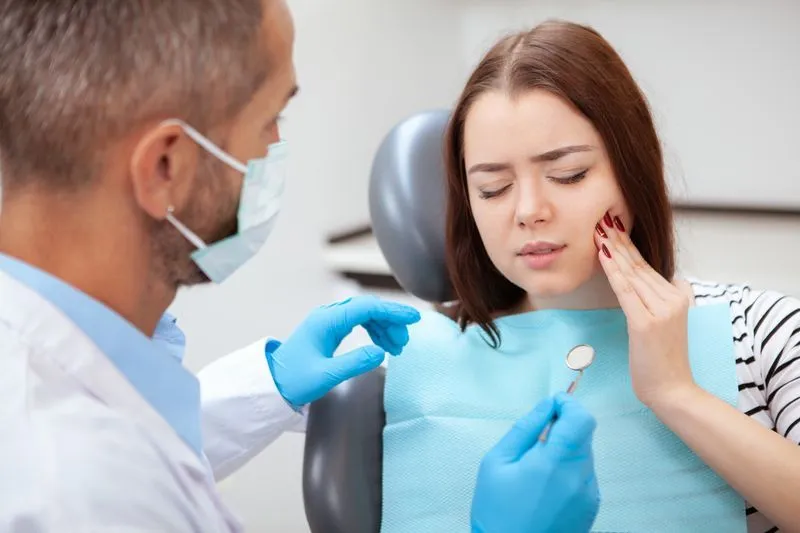

An emergency dentist operates outside normal clinic hours to treat sudden, severe dental issues. Dentists address conditions that require immediate attention to stop bleeding, alleviate severe pain, or save a tooth. Recognizing the signs of a dental emergency helps you make timely decisions about your oral health, and you can seek treatment before the condition worsens. Here are some times to seek help from an emergency dentist:
Damaged Teeth
When accidents occur during sports or regular daily activities, they may result in cracked, broken, or knocked-out teeth. A fully knocked-out tooth requires quick action from the patient. Pick up the tooth by the top grinding surface, avoiding the root, and rinse it gently with water if dirt is present. Place the tooth back into its socket, or keep it moist in a small glass of milk. Getting to an emergency dentist within 30 minutes increases the chances of successfully reattaching the tooth.
For a chipped or fractured tooth, rinse your mouth with warm water. Applying a cold compress to your face helps minimize swelling. Waiting several days for a standard appointment increases the risk of infection and permanent tooth loss. Immediate treatment will address the physical structural damage, and it limits disruption to eating and speaking.
Swelling Gums
Swollen, bright red, or heavily bleeding gums often point to an infection or a dental abscess. An abscess is a localized pocket of pus caused by a deep bacterial infection, and it develops as a painful pimple on your gum line. This condition can spread rapidly to your jawbone, neck, or head if left untreated. Sometimes, an abscess is accompanied by a high fever, facial swelling, or a foul taste in your mouth. An emergency dentist will drain the abscess to relieve built-up pressure and prescribe antibiotics to eliminate the bacteria.
Intense Toothache
A minor ache may be manageable until your next visit, but sharp, ongoing pain needs prompt care. Severe toothaches often originate from dental decay, an abscess, or an infected nerve root. Ignoring this allows the underlying bacterial issue to spread into the surrounding bone tissues.
You might experience sudden, sharp pain when biting down or a lingering, painful sensitivity to hot and cold temperatures. You can take over-the-counter pain relievers, but avoid placing aspirin against the gums. This burns the sensitive lining of your mouth. Rinse your mouth thoroughly with warm salt water to clean the affected area. If the intense throbbing persists or worsens, you likely require an emergency dentist. They will take digital X-rays to locate the pain’s source before developing a targeted treatment plan.
Loose Fillings or Crowns
Dental restorations like fillings and crowns help protect vulnerable teeth from harmful bacteria and extreme temperature changes. When an old filling falls out or a protective crown comes loose, the sensitive tissue underneath becomes exposed. Leaving the fragile tooth unprotected may lead to rapid decay, sensitivity, or fracturing. Keep the dislodged crown safe in a secure container, and bring it to your visit. Clean the affected tooth with your soft-bristled toothbrush. Over-the-counter temporary dental cement can cover the sensitive tooth temporarily. An emergency dental visit will restore or replace the damaged restoration.
Visit an Emergency Dentist
Dental emergencies require swift action to protect your teeth and alleviate severe pain. When necessary treatment for broken teeth or severe swelling is put off, complications often develop. Delaying care can worsen damage, and it also increases the likelihood of long-term dental problems. Call an emergency dental office immediately if you experience any severe oral symptoms.
