

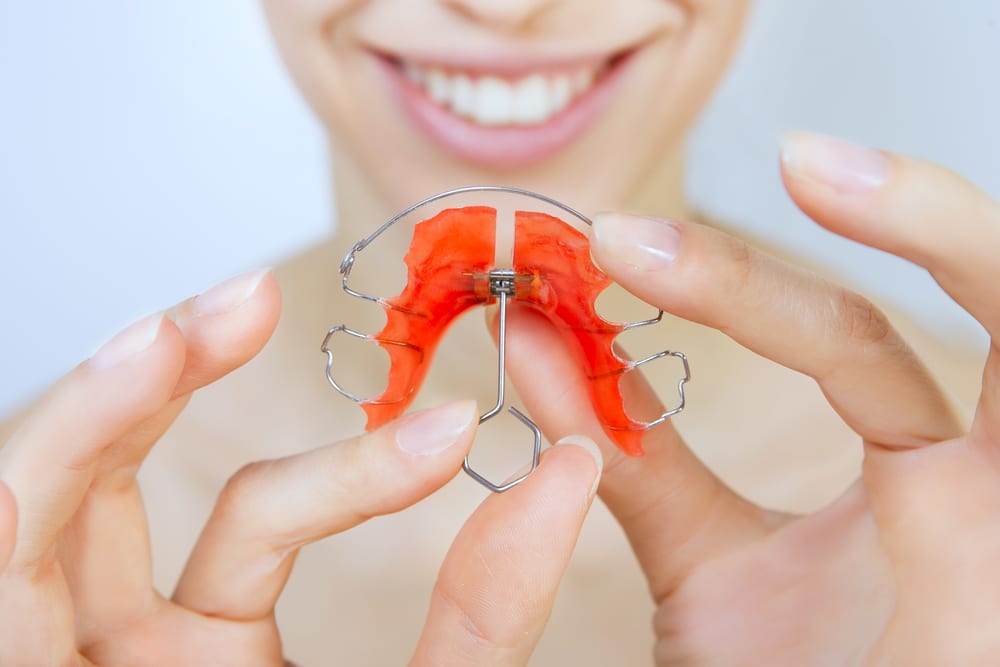

Choosing among different types of retainers is a key part of protecting the results of orthodontic treatment. Since each option offers its own benefits, selecting the right one often depends on your lifestyle, dental needs, and long-term goals. Here are some key factors to evaluate when choosing the right type of retainers for your needs:
What Are the Main Types?
Removable and fixed devices are the primary categories of retainers. A removable device can be taken out during meals, which is helpful for daily oral hygiene. Fixed devices bond directly to the teeth, and they remain in place permanently. This permanent solution demands meticulous oral hygiene, but it removes the burden of remembering to wear an appliance.
Wire and acrylic units are a traditional approach to retention. The acrylic portion rests against the roof of the mouth, while a metal wire surrounds the front teeth. Providers can adjust this wire, and the acrylic base offers long-lasting durability. Clear plastic devices offer a discreet appearance; manufacturers mold these units directly from dental impressions for an exact fit. These transparent trays cover the entire arch, and they look nearly invisible.
Which Retainer Fits Best?
Daily habits play a key role in this selection. If a person frequently plays contact sports, a removable option prevents appliance damage during physical activity. Some individuals often misplace loose items, so a fixed wire provides a highly reliable alternative. Here are key features of different retainer types:
- Clear plastic options: These devices fit over the teeth invisibly.
- Wire and acrylic models: These units offer durability for long-term use.
- Bonded wires: These permanent fixtures require no daily tracking.
These varying designs meet completely different daily needs. A thorough review of these features helps patients make highly informed decisions.
What Care Does It Need?
Proper cleaning remains a fundamental component of appliance longevity. While removable retainers require soaking in special solutions, bonded wires need specialized flossing techniques. Plaque builds up on all surfaces, so you must clean the hardware daily. Here are standard maintenance steps you can incorporate:
- Brushing techniques: Soft bristles remove debris without scratching surfaces.
- Soaking routines: Effervescent tablets dissolve hardened plaque overnight.
- Flossing tools: Threaders glide smoothly behind bonded wires.
- Regular checkups: Routine visits to a dental professional make sure the hardware remains in optimal condition and potential issues are addressed promptly.
Consistent hygiene practices protect both the teeth and the hardware. Whenever individuals neglect these routines, bacterial accumulation can threaten their oral health. Safe storage also prevents accidental damage or loss. Whenever you remove the unit, place it in a hard plastic case.
How Does It Support Your Needs?
Clinical requirements often dictate the final retainer selection. Some patients require significant bite correction, which necessitates a more rigid wire structure. Other individuals need minor retention, so clear aligner-style units suffice. Nighttime teeth grinding requires highly durable materials; patients who grind their teeth will wear down thin plastic quickly.
Specific alignment issues respond better to distinct designs. An orthodontist may recommend a bonded wire if the lower front teeth face a high risk of relapse. This targeted approach provides maximum stability, and it prevents unwanted movement. Combination approaches work well for complex anatomical cases. Although a patient wears a bonded wire on the bottom teeth, they might use a removable tray for the upper teeth. This dual method addresses multiple clinical variables at once, and it optimizes the overall retention strategy.
Protect Your Results With Retainers
Retainers play a significant role in preserving the results of orthodontic treatment. Retainers promote the long-term success of your smile by preventing teeth from shifting back to their original positions. The choice between clear plastic models and traditional wire retainers depends on individual needs and lifestyle preferences. Contact a qualified dental specialist near you to request an appointment for a custom retainer today.
