

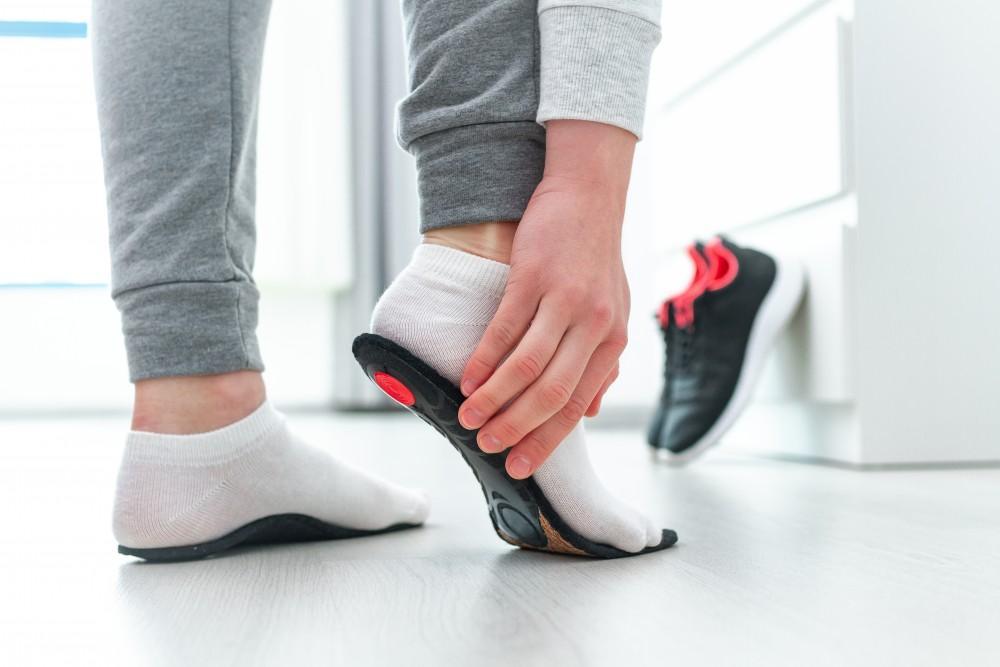

Athletes subject their bodies to significant stress through regular training and competition. Proper foot alignment plays a direct role in maintaining lower body mechanics, doing so by transferring pressure efficiently. Custom orthotics are prescription medical devices that are designed to support the feet and lower extremities.
What Are Custom Orthotics?
Custom orthotics are prescription inserts fabricated from exact three-dimensional models of a patient’s feet. Healthcare professionals design them to control foot function, accommodate structural deformities, and provide cushioning tailored to specific body weights and activity levels. Repetitive stress and high-impact forces place significant strain on the lower extremities during sports. Biomechanical flaws in foot mechanics can lead to inefficient movement patterns. Orthotics realign the structures of the foot, promoting a neutral gait cycle. This realignment optimizes biomechanical efficiency and allows athletes to distribute forces evenly across the foot and ankle joints.
Efficient movement directly correlates to athletic output. When the foot strikes the ground in an optimal position, the kinetic chain transfers energy upward through the legs with minimal loss. This structural support reduces muscular fatigue and promotes sustained endurance during activities like marathon running, basketball, and soccer. By maintaining proper foot mechanics, athletes preserve their form and execute movements with greater precision.
What Conditions Can They Address?
Sports activities expose athletes to structural challenges that orthotic devices help manage. Plantar fasciitis represents a common condition among runners and jumpers, which involves the inflammation of the thick band of tissue across the bottom of the foot. Shin splints can cause pain, and they represent another prevalent issue for individuals engaged in high-impact sports. Orthotics absorb shock and correct overpronation, decreasing stress on the lower leg during impact.
Athletes dealing with Achilles tendonitis may find relief through customized support. The devices elevate the heel slightly and reduce tension on the tendon during the push-off phase of running. Knee pain frequently stems from poor foot alignment. Custom supports can stabilize the arch, reducing internal leg rotation and minimizing stress on the knee joint.
What Does the Process Involve?
The creation of custom orthotics requires a systematic approach that begins with a comprehensive clinical evaluation. A podiatrist or sports medicine specialist conducts a thorough examination of the patient’s lower extremity anatomy. Following the assessment, the practitioner captures a detailed model of the feet using advanced digital scanning technology to obtain precise anatomical measurements.
Once completed, the patient returns for a fitting appointment. The specialist evaluates the fit inside the athletic footwear and makes any necessary adjustments. Patients receive specific instructions regarding the break-in period. This typically means gradually increasing wear time over several weeks to allow the body to adapt to the new alignment.
Seek Professional Foot and Ankle Care
Athletes seeking to optimize their foot mechanics should consult with podiatric specialists for comprehensive evaluations. The lifespan of a custom device ranges and depends on materials and athletic intensity. Signs of wear, such as cracking, thinning materials, or a return of foot discomfort, indicate the need for replacement. Regular follow-up appointments allow practitioners to monitor wear patterns and update the prescription as the body adapts to physical demands.
