

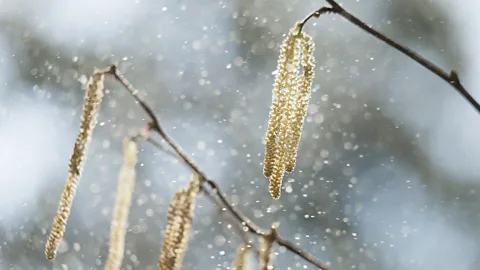

Because asthma narrows your airways, regular breathing may become a physically demanding daily task. Airborne plant pollen triggers many severe respiratory asthma symptoms in some patients. Blooming plants release elements into the wind, and these irritating particles enter your lungs, while rising global average temperatures alter the pollination process. This is how climate change might affect pollen counts:
Increasing Pollen Concentrations
Atmospheric carbon dioxide levels rise steadily, and wild plants grow much faster under these changing conditions. When weeds are exposed to higher carbon dioxide levels, they produce more airborne pollen. This rapid botanical growth drastically multiplies the invisible airborne allergens floating around your local neighborhood. Environmental shifts force intense blooming periods, so total pollen production increases across varied natural landscapes.
Unusually warm spring weather creates ideal outdoor growing conditions for multiple allergy-inducing plant species. Trees thrive in these mild temperatures, so they release heavier pollen loads. Since trapped greenhouse gases heat the atmosphere, local climates become noticeably warmer year after year. You might unknowingly inhale unprecedented microscopic allergen volumes during outdoor recreational activities.
Extending Seasons
As harsh winter frost melts earlier, the traditional spring botanical blooming cycles start remarkably sooner. Protective cold fall frosts may arrive much later in the year than previously recorded. The overall plant growing period lengthens significantly, and allergenic weeds stay active much longer outdoors.
- Warm spring pollination periods start much earlier.
- Hot summer growing seasons last far longer.
- Cold fall frost dates are delayed significantly now.
Heightening Effects
Rising global temperatures may alter basic biological pollen chemistry, and the microscopic grains become stronger physical allergens. High levels of urban air pollution interact directly with these tiny airborne biological particles from plants daily. When toxic ground-level ozone mixes with airborne pollen, the resulting microscopic allergens become highly reactive. The altered chemical structure negatively impacts your sensitive human respiratory system.
Heavy spring rainstorms aggressively break solid floating pollen grains into much smaller microscopic allergen fragments. Although falling rain temporarily washes the dirty air, the fresh water violently bursts the remaining pollen open. These tiny ruptured plant fragments float very easily, and they penetrate human lung tissue deeply. Because the physical particle size drops drastically, your body faces a completely different environmental threat.
If you breathe these microscopic pieces, your natural immune system reacts aggressively and swiftly. The extremely small biological grains bypass your protective nose hairs, and they enter your delicate lungs directly. This deep internal physical contact causes immediate respiratory distress for vulnerable asthma patients.
Triggering Asthma Attacks
Your sensitive bronchial breathing airways swell during a severe internal allergic immune system reaction. Increased daily airborne pollen exposure strains your respiratory system, and painful chest tightness quickly follows. Because the ambient outdoor environmental allergen load remains stubbornly high, dangerous respiratory asthma attacks happen frequently.
Get Treated for Asthma Symptoms
Medical professionals offer effective daily respiratory treatments, and they manage your bodily symptoms carefully. Before your restricted nighttime breathing worsens, consult a local medical doctor immediately. Specialized prescription asthma inhalers quickly open your restricted upper and lower respiratory airways. Call a local primary care physician today to schedule a comprehensive appointment for symptom management.
