

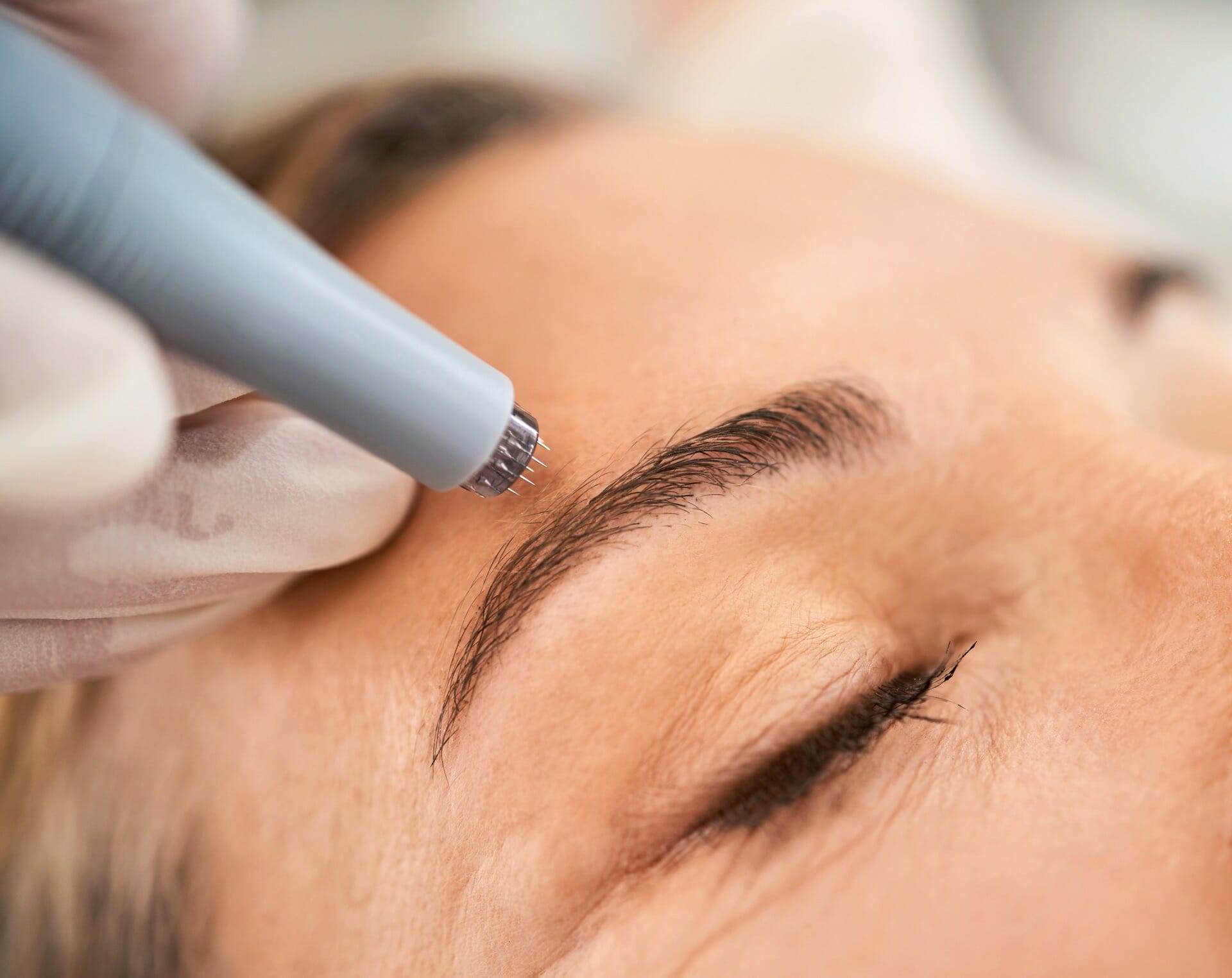

Microblading enhances eyebrows with fine pigment strokes, creating fuller, well-shaped brows. Technicians measure your facial features before the procedure, which requires precision. You can change your eyebrows, so discuss your goals beforehand. There are options for you.
Customization for Facial Symmetry
Artists design eyebrow shapes to suit individual facial dimensions. Your consultation can include:
- Review of facial structure and features
- Mapping and outlining tailored to your goals
- Adjustment of shape based on preferences
The technician uses a measuring tool to establish symmetry. When you have little or uneven natural hair, technicians often draw guidelines for accuracy. Those with sparse or uneven brows see a shape preview, with time to discuss microblading preferences. Artists note the direction of natural hair growth, and they review any gaps or scars that affect the brow line. If you bring reference photos, the technician helps select your preferred shape. Some first-time clients prefer gradual adjustment over sessions, allowing careful enhancement. The goal is a balanced look that complements your features. Bone structure guides the design process. Faces can be naturally asymmetrical, but careful mapping reduces differences to make brows appear even. Precise measurements help avoid uneven placement. Artists mark points above the nose, and they connect them across the forehead. The outline serves as a visual template before starting, supporting accuracy.
Selection for Skin Tones
A range of pigments is offered, so you can choose one that matches warm, cool, or neutral skin tones. Technicians match ink colors to natural hair shades. Skin undertones are reviewed during pigment selection to achieve a visual blend. Pigments fade over time, so some professionals select darker shades that lighten during healing. Olive skin might need pigments with more ash to avoid unwanted warmth as the color changes. Technicians may perform a small patch test to see how pigment settles before the procedure. The process guides your brows to work with your features. A specialist may suggest different pigments or more sessions for an even look. This approach offers an option for those wanting an appearance that fits their complexion.
Maintenance Routines for Longevity
Proper aftercare supports the appearance of eyebrow strokes. Avoid water exposure, and get guidance on applying ointments. The color looks bold at first, but skin exfoliating softens the look. Healing takes several weeks. Scabbing can develop in the first week, so do not pick at flakes. Picking disturbs pigment, and early flaking can cause patchiness, so artists advise patience. Gently pat the brows with a clean tissue to reduce moisture. Avoid makeup near the brows to lower infection risk.
Apply the ointment in a thin layer, and use clean hands to prevent irritation. Itching happens as healing progresses, but gentle care keeps the skin intact. Sleeping on your back helps prevent rubbing your brows on pillows and losing pigment. If redness or swelling increases, contact your technician for instructions. Each step supports brow health, and consistent care helps brows look natural and defined. A follow-up lets artists address faded areas. They evaluate healed strokes, and they add pigment if needed.
Schedule Microblading Today
A professional consultation explains the microblading process and reviews your skin type. Book an appointment, and prepare for any questions you may have. Professionals answer questions, explain aftercare, and set clear expectations. Discuss your desired look, then schedule the procedure when ready.
