

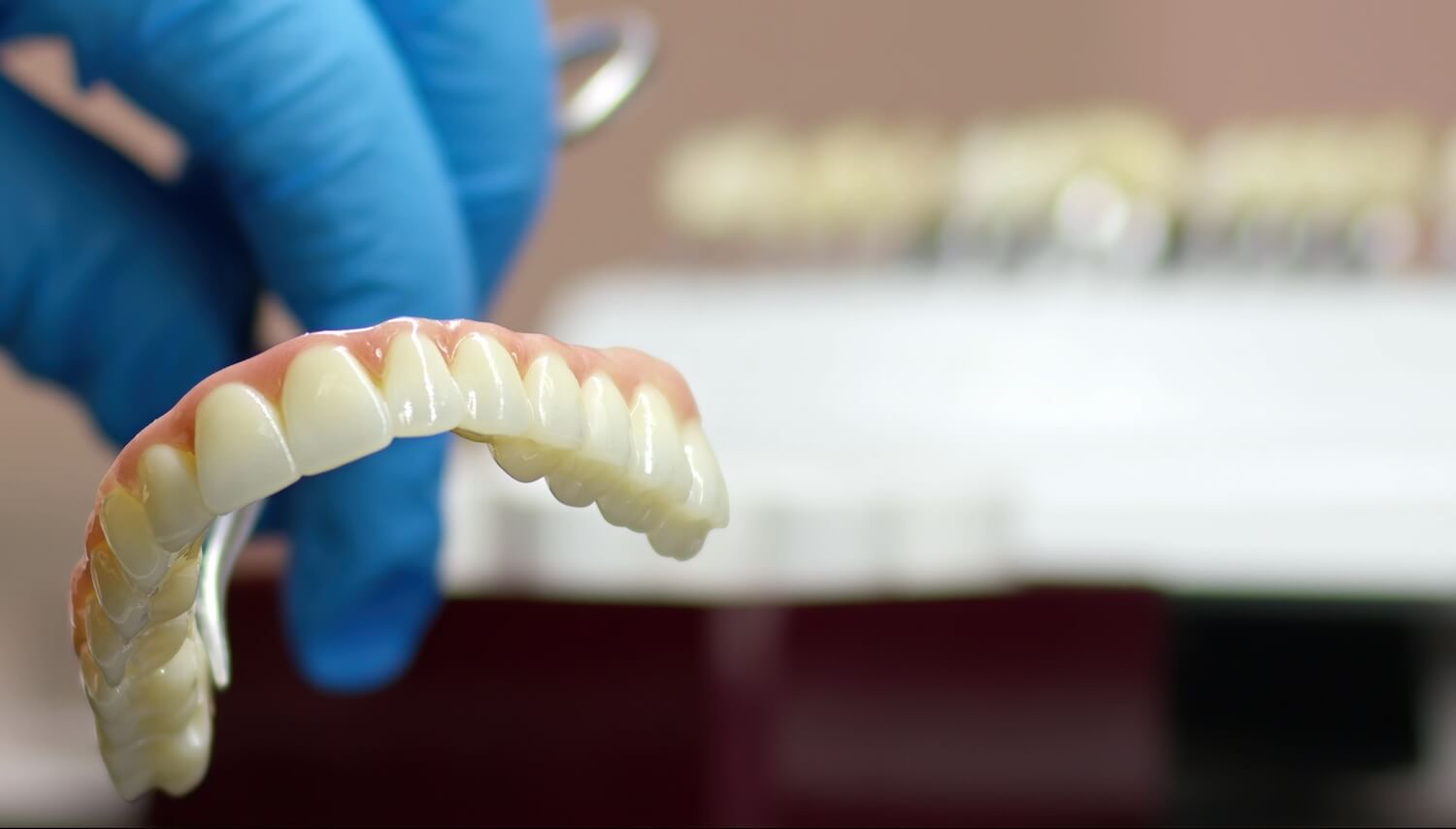

Crowns and bridges are designed to restore the function and appearance of damaged or missing teeth, but their longevity depends heavily on proper care and maintenance. Daily oral hygiene, regular dental visits, and healthy habits can help protect these restorations from damage and wear over time. Here is a closer look at how to enhance the longevity of crowns and dental bridges:
Maintain Oral Hygiene
Plaque accumulation poses a significant threat to dental restorations. Daily brushing removes food particles from the surface, and flossing clears out the tight spaces between teeth. Oral bacteria thrive in warm and moist environments; consistent physical cleaning can help prevent decay around the margins of crowns and bridges.
Dentists recommend using a soft-bristle toothbrush to clean these devices. Hard bristles can scratch the porcelain surface, so a gentle brushing approach works much better. Special floss threaders can also help patients clean the difficult spaces beneath a dental bridge. The artificial tooth rests close to the gum tissue, and food debris frequently gets trapped in this small gap. When individuals use proper flossing techniques, they make sure the surrounding gums stay healthy.
Avoid Harmful Habits
Certain mechanical forces apply severe pressure to dental restorations. Patients often develop unconscious oral behaviors, and these repetitive actions chip the ceramic material. You should identify and eliminate the following behaviors to protect your crowns and bridges:
- Biting hard objects: Chewing ice places excessive stress on the ceramic structure.
- Teeth grinding: Bruxism grinds and wears down the device, and patients often need a mouthguard.
- Using teeth as tools: Opening packages with your mouth can easily dislodge a dental crown.
Breaking these mechanical habits prolongs the structural integrity of your dental restorations. The porcelain components withstand normal chewing forces, but they shatter under concentrated pressure.
Keep Up With Preventive Care
Routine dental examinations are fundamental for your long-term oral health. The dentist inspects the dental restorations, and the hygienist performs a thorough professional cleaning. During a visit, the practitioner checks the physical integrity of the dental cement. This adhesive degrades slowly over time, so the dentist verifies that the device is securely attached. If the dentist discovers a loose margin early, they can prevent harmful bacteria from entering the vulnerable underlying tooth.
Digital X-rays reveal the hidden bone structure beneath crowns and dental bridges. Radiographic images can reveal potential root infections and the health of the surrounding jawbone. Whenever a patient attends their biannual dental checkup, they make sure their supporting teeth remain completely stable.
Address Changes Early
Minor oral symptoms often indicate developing clinical problems beneath a restoration. The patient may notice small changes in their mouth, but prompt clinical evaluation often prevents total device failure. Watch for the following warning signs around your dental restorations:
- Sensitivity: Sudden pain from cold drinks may indicate nerve exposure.
- Gum inflammation: Redness near the margins suggests localized bacterial infection.
- Mobility: A shifting crown requires immediate professional re-cementation.
Timely intervention prevents minor complications from escalating into complex dental emergencies. The dentist addresses the root cause of the discomfort and restores proper bite alignment immediately.
Book Your Crowns and Bridges Appointment
Maintaining the structural integrity of dental restorations requires consistent hygiene and clinical supervision. Patients should practice daily oral care at home, and the dental team will monitor the devices for signs of mechanical wear during routine appointments. When individuals follow fundamental clinical guidelines, they extend the functional life of their devices. Contact a qualified cosmetic dentist near you to book your crowns and bridges appointment today.
