


Introduction
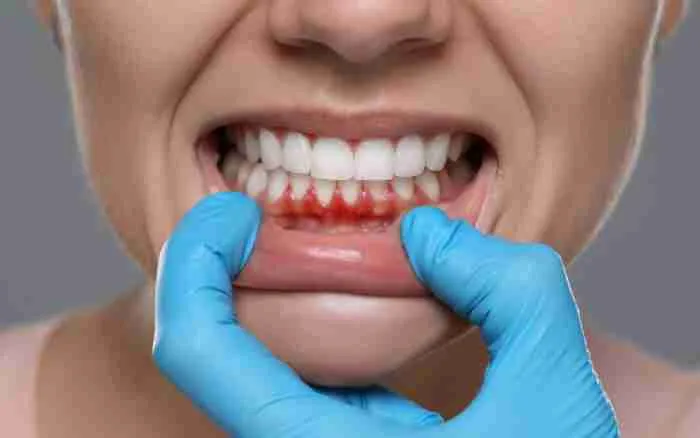
Bleeding gums are one of the earliest and most common signs of poor oral health. Many people notice a small amount of blood when brushing or flossing and assume it’s normal, but in reality, it’s often a sign that your gums need attention. If left untreated, bleeding gums can develop into more serious conditions such as gingivitis or periodontal disease.
The good news is that in many cases, you can stop gum bleeding at home with simple changes to your oral care routine and a few natural remedies. By understanding the causes and taking early action, you can restore your gum health and prevent long-term dental problems.
Why Do Gums Bleed?
Before treating the problem, it’s important to understand what causes gum bleeding in the first place.
Common Causes of Bleeding Gums
- Plaque buildup along the gumline
- Poor brushing or flossing habits
- Gingivitis (early gum disease)
- Using a hard-bristled toothbrush
- Vitamin deficiencies, especially vitamin C and K
- Hormonal changes, especially during pregnancy
- Smoking or tobacco use
When plaque is not removed properly, it irritates the gums, causing inflammation and bleeding. Over time, this can progress into more serious gum infections if not addressed.
1. Improve Your Brushing Technique
One of the most effective ways to stop gum bleeding is to correct how you brush your teeth.
Proper Brushing Tips
- Use a soft-bristled toothbrush to avoid damaging sensitive gum tissue
- Brush gently in circular motions, not aggressively back and forth
- Hold your brush at a 45-degree angle to the gumline
- Brush for at least 2 minutes twice a day
Many people brush too hard, thinking it cleans better, but this can actually make bleeding worse by irritating the gums.
2. Floss Daily (Even If It Bleeds at First)
If your gums bleed when you floss, it may be a sign that you need to floss more—not less. Flossing removes plaque and food particles from between the teeth where your toothbrush can’t reach.
What to Expect
- Mild bleeding may occur in the beginning
- With consistent flossing, bleeding should reduce within 1–2 weeks
- Healthy gums become stronger and less sensitive over time
Make flossing part of your daily routine to maintain long-term gum health.
3. Rinse with Salt Water
Salt water is a simple and effective home remedy that helps reduce inflammation and fight bacteria in the mouth.
How to Use a Salt Water Rinse
- Mix ½ teaspoon of salt in a glass of warm water
- Swish it in your mouth for 20–30 seconds
- Spit it out and repeat once or twice daily
Salt water helps soothe irritated gums and promotes faster healing.
4. Use Antibacterial Mouthwash
An antibacterial mouthwash can help reduce plaque buildup and control bacteria that cause gum inflammation.
Look for mouthwash that contains:
- Chlorhexidine (in medicated versions)
- Essential oils
- Fluoride for added tooth protection
Use it once or twice daily after brushing and flossing for best results.
5. Increase Your Vitamin Intake
Nutritional deficiencies can weaken gum tissue and increase bleeding.
Important Vitamins for Gum Health
Vitamin C
- Helps repair tissues and reduce inflammation
- Found in oranges, strawberries, bell peppers, and broccoli
Vitamin K
- Supports blood clotting and healing
- Found in leafy greens like spinach and kale
Vitamin D
- Helps reduce inflammation and supports immune function
A balanced diet rich in vitamins and minerals plays a key role in preventing gum problems.
6. Try Natural Remedies
Several natural remedies can help soothe gums and reduce bleeding.
Effective Home Remedies
Aloe vera gel
- Has anti-inflammatory and healing properties
- Apply gently to gums for soothing relief
Tea tree oil (diluted)
- Natural antibacterial properties
- Can be used in mouth rinses in small amounts
Honey
- Known for antimicrobial effects
- Apply a small amount to affected gum areas
These remedies can support healing, but they should be used alongside proper oral hygiene—not as a replacement.
7. Stay Hydrated and Avoid Irritants
Dry mouth can worsen gum problems, as saliva helps wash away bacteria. Drinking enough water throughout the day keeps your mouth clean and supports gum health.
Also, try to avoid irritants such as:
- Smoking or chewing tobacco
- Sugary drinks and snacks
- Highly acidic foods and beverages
Reducing these habits can significantly improve gum condition.
When Should You See a Dentist?
While home care is effective in many cases, you should see a dentist if:
- Bleeding continues for more than 2 weeks
- Gums are swollen, painful, or receding
- You experience loose teeth
- There is persistent bad breath
These may be signs of advanced gum disease that requires professional treatment.
How to Prevent Gum Bleeding in the Future
Prevention is always better than treatment. Maintaining a strong oral care routine can keep your gums healthy long-term.
Daily Prevention Tips
- Brush twice a day with a soft toothbrush
- Floss daily
- Use mouthwash regularly
- Visit your dentist every 6 months
- Eat a balanced, nutrient-rich diet
Consistency is the key to long-term gum health.
FAQs
Is it normal for gums to bleed when brushing?
No, healthy gums should not bleed. Bleeding is usually a sign of inflammation or plaque buildup.
How long does it take for bleeding gums to heal?
With proper care, mild bleeding can improve within 7–14 days.
Can stress cause gum bleeding?
Yes, stress can weaken the immune system and make gums more susceptible to inflammation.
Conclusion
If you’ve been dealing with gum bleeding, don’t ignore it. With the right care routine and simple remedies, you can stop gum bleeding at home and restore your oral health naturally. Small changes like better brushing, daily flossing, and a healthier diet can make a big difference.
Taking care of your gums today helps protect your teeth, your smile, and your overall health in the long run.
