

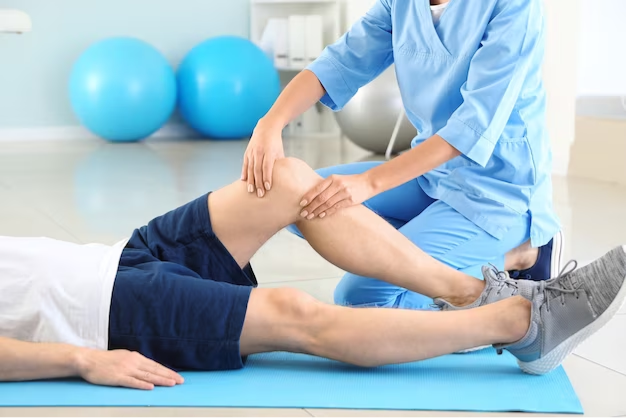

While knee replacement may be recommended for severe joint damage or advanced arthritis, some patients may also benefit from alternative therapies that help manage pain, improve movement, and support joint function. These non-surgical approaches can include lifestyle changes, physical therapy, supportive treatments, and other complementary strategies based on individual needs. Here’s more information on alternative therapies for knee pain management:
Using Physical Therapy
Physical therapy and guided exercise approaches play a significant role in managing knee joint pain and improving mobility. The following are key components often included in these therapeutic plans:
- Strengthening Exercises: Targeted exercises to build muscle strength around the affected joint, providing better support and reducing strain.
- Flexibility Training: Stretching routines to improve the range of motion and reduce stiffness in the joints.
- Low-Impact Aerobic Workouts: Activities such as swimming may enhance overall joint function without putting excessive pressure on the joint.
- Balance and Stability Exercises: Techniques designed to enhance coordination, minimizing the risk of falls or further injury.
- Therapist-Guided Interventions: Personalized therapy sessions to address specific physical limitations and optimize results.
These structured programs are customized to the individual, helping patients achieve measurable improvements in joint health and daily functioning. While these exercises won’t provide dramatic improvements like a knee replacement, they can effectively decrease joint stiffness.
Exploring Injection-Based Options
Clinical joint injections offer direct medical relief for localized knee joint pain. Doctors inject liquid corticosteroids directly into the knee joint, and this potent medicine quickly reduces inflammation in the surrounding tissues. Steroid shots provide temporary pain relief, and they often help patients participate more actively in their physical therapy sessions.
Regenerative medicine provides another modern clinical treatment option. Medical professionals draw and prepare platelet-rich plasma, and they inject the concentrated fluid directly into the damaged tissue area. If the surrounding tissue responds well to the injection, this targeted treatment can accelerate the body’s natural cellular healing process.
Managing Pain at Home
Weight management plays a key role in overall joint health. Extra body weight places unnecessary pressure on the knees, so losing a few pounds can reduce daily mechanical strain. Strategic diet modifications also support long-term joint function. An anti-inflammatory diet may reduce chronic internal swelling and provide helpful nutrients for optimal bone strength. External supportive devices assist patients with their daily walking routines. A fitted knee brace physically stabilizes the weakened joint, and a standard cane shifts body weight away from the painful leg.
Incorporating Complementary Therapies
Complementary therapies and effective long-term care planning can significantly help manage and alleviate knee joint pain. Here are some key complementary therapies:
- Massage Therapy: Regular massage can help relieve muscle tension and promote overall relaxation.
- Acupuncture: This traditional practice may help reduce chronic pain and improve circulation.
- Nutritional Guidance: Adopting a diet designed to meet specific health needs can positively influence long-term health outcomes.
- Stress Management Techniques: Practices such as mindfulness, meditation, and breathing exercises can enhance mental well-being.
- Assistive Devices: Use equipment such as orthotics or knee braces to enhance daily comfort and mobility.
Incorporating these complementary therapies into a comprehensive care plan can help individuals address immediate needs and long-term health goals effectively. If knee pain worsens despite alternative therapies, your doctor may recommend a knee replacement.
Book Your Knee Replacement Appointment
Non-surgical alternative therapies can provide significant relief from mobility issues for some older patients. These conservative treatments actively manage the pain symptoms, but they do not cure the underlying degenerative arthritis. When physical therapy and joint injections no longer work, a robotic-assisted knee replacement becomes the next medical step. Contact a qualified orthopedic surgeon near you to book your knee replacement appointment today.
