

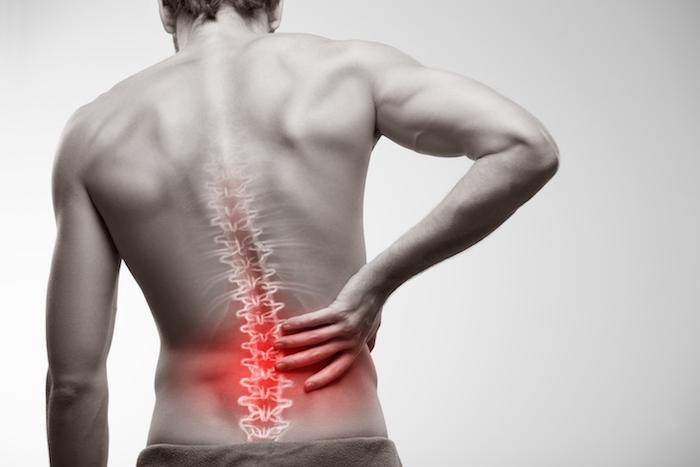

Sciatica affects the sciatic nerve, and it often causes notable physical discomfort. Medical professionals diagnose this issue in adults who report radiating back pain. Understanding the underlying mechanisms helps patients navigate their daily routines. Here is more information on the physiological triggers of sciatica and practical interventions for pain management:
What Is Sciatica?
The sciatic nerve represents the longest nerve structure in the human body. It begins in the lower lumbar region, and it extends down through the buttocks into both legs. Sciatica refers to the pain or irritation affecting this specific neural pathway. A patient experiences symptoms when the surrounding tissues compress or inflame this nerve branch.
This neural pathway controls muscle function in the lower legs. It provides sensation to the thighs, and it connects nerve endings in the feet to the central nervous system. A disruption anywhere along this path alters these normal functions. Providers classify sciatica as a symptom of an underlying medical problem rather than a standalone disease.
What Causes It?
Several spinal conditions can trigger sciatic nerve irritation. A herniated disk is a common cause that occurs when the soft inner core of a spinal disk pushes through its tough outer layer. Bone spurs on the spine can also press against the nerve root. Spinal stenosis narrows the spinal canal, and it exerts pressure on the nerves.
Other medical factors can contribute to sciatic nerve compression. Muscle spasms in the back or buttocks sometimes pinch the nerve tissue. Pregnancy alters pelvic alignment, and the added weight shifts pressure onto the lower spine. Degenerative disk disease breaks down the protective cushions between the vertebrae, and systemic conditions like diabetes can directly damage the nerves.
Age-related changes in the spine are primary risk factors. The spinal discs naturally lose moisture over time, and this dehydration makes them more susceptible to tearing. Obesity places excess stress on the spinal column throughout the day. Occupational hazards involving heavy lifting or prolonged sitting can also trigger nerve compression, necessitating careful evaluation.
What Are the Symptoms?
Sciatica presents with specific clinical markers that differentiate it from general back strain. The pain usually starts in the lower back, and it travels down one side of the body into the leg. Patients describe the sensation in varying ways based on the severity of the compression. Clinical evaluations typically look for the following signs:
- Continuous radiating pain down one leg
- Tingling or numbness in the affected foot
- Muscle weakness in the lower extremities
- Sharp shooting sensations when standing up
Patients benefit from monitoring these symptoms closely and relaying this information to their healthcare providers.
What Are the Treatment Options?
Medical providers recommend various interventions based on symptom severity. Conservative approaches often start with physical therapy routines; these exercises strengthen the muscles supporting the back. Chiropractic adjustments can realign the spinal column to relieve nerve pressure. Patients may also find relief through alternative therapies such as acupuncture or biofeedback.
When conservative methods fail to provide adequate relief, physicians may introduce pharmacological interventions. Over-the-counter or prescription medication reduces inflammation, and muscle relaxants help calm associated spasms. Providers may administer corticosteroid injections directly into the epidural space for targeted relief. Severe cases involving significant weakness or loss of bowel control sometimes require surgery.
Learn More From a Specialist
Addressing sciatic nerve pain promptly can prevent long-term nerve damage. Professional evaluation is a reliable way to identify the root cause of your symptoms. A tailored treatment plan targets your specific condition, and it supports your overall spinal health. Contact a specialist today to schedule a comprehensive assessment.
