

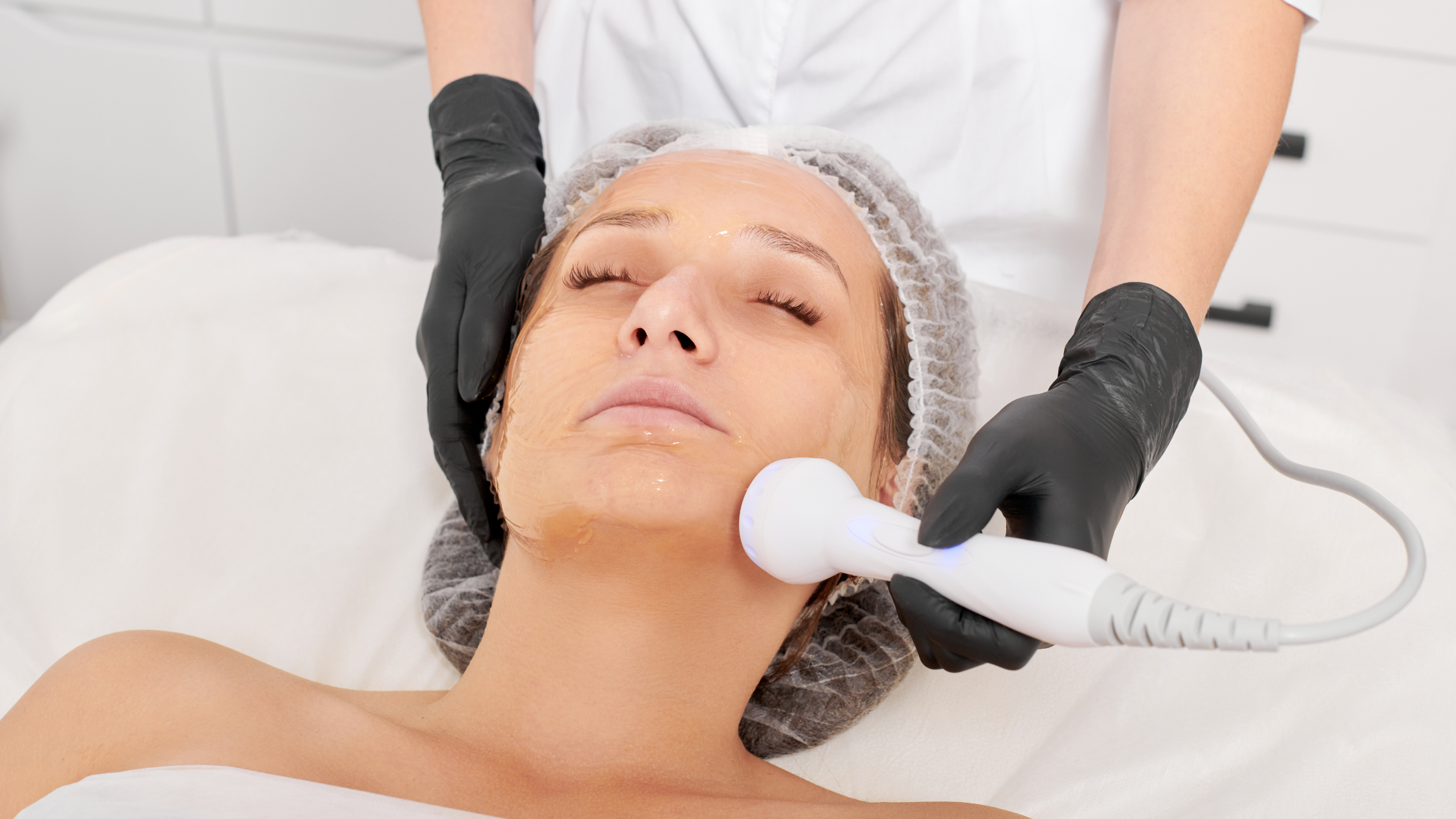

Aging adults explore medical therapies, and these are designed to address gradual physical changes in their bodies. Because human bodies change naturally as we age, people use these targeted anti-aging strategies. Here are several specific medical approaches designed for aging individuals:
Hormone Replacement Therapy
Natural hormone levels in the human body steadily decline during the later years for many individuals. When your body produces fewer chemical messengers, providers can recommend synthetic replacements to create balance. Patients receive precise medication doses, and medical professionals strictly monitor their physiological progress during treatment. Many individuals easily access these targeted medical therapies through their trusted local primary care providers.
Peptide Therapy
While specific peptides exist naturally inside the human body, people use synthetic versions for medicine. These targeted formulas are designed to deliver specific metabolic signals directly to your individual cells. Providers administer customized anti-aging therapies on a regular basis, and patients can follow their prescribed medical routines. When bodies process these compounds, doctors carefully evaluate your blood work to determine appropriate concentrations.
Some specific synthetic peptides target muscle tissue recovery, but other medical variations focus heavily on skin. Before a healthcare provider writes a prescription, they typically order an extensive metabolic panel. This clinical data dictates the exact chemical formulation designed exclusively for your unique biological needs.
Specialized facilities provide personalized administration plans, and trained staff can explain the daily injection process clearly. Missed doses of scheduled medication negatively impact overall metabolic progression throughout the planned therapy timeline. Because these medical treatments require daily consistency, patients must diligently follow the exact recommended schedule.
Growth Hormone Replacement
Synthetic formulations aim to replace identified deficits, and providers carefully track the resulting metabolic shifts. When older adults lack sufficient naturally occurring hormones, doctors evaluate their physical symptoms very thoroughly. Providers review specific laboratory results closely, or they request completely new diagnostic panels for better accuracy.
Regular follow-up visits help monitor your progress and adjust dosing if necessary, and these appointments are an ongoing part of therapy. Every person responds at their own pace. Because growth hormone therapy involves regular monitoring and adjustments, close communication with your medical team supports your health and wellness goals.
Testosterone Therapy
Testosterone therapy is prescribed to address declines in hormone levels as people age, and its purpose is to support overall well-being. The process typically starts with a straightforward consultation before you begin the scheduled treatment. Because everyone’s health status is unique, your healthcare provider may recommend options such as:
- Injections
- Topicals or patches
- Pellet implants
Your doctor will monitor your progress and adjust the approach as needed, so you receive practical care that responds to your needs and lifestyle. It’s wise to communicate openly with your healthcare provider about any symptoms or concerns, as this helps in tailoring the treatment to achieve ideal results. Keeping track of how you feel during therapy can make adjustments more effective.
Schedule Anti-aging Treatments
If you’re interested in exploring these or any other anti-aging solutions, reach out to a dedicated healthcare provider for professional guidance. Schedule an appointment to discuss your goals, review your current health, and make an informed plan for next steps. Your provider will answer questions and help you decide which therapies align with your overall well-being.
