

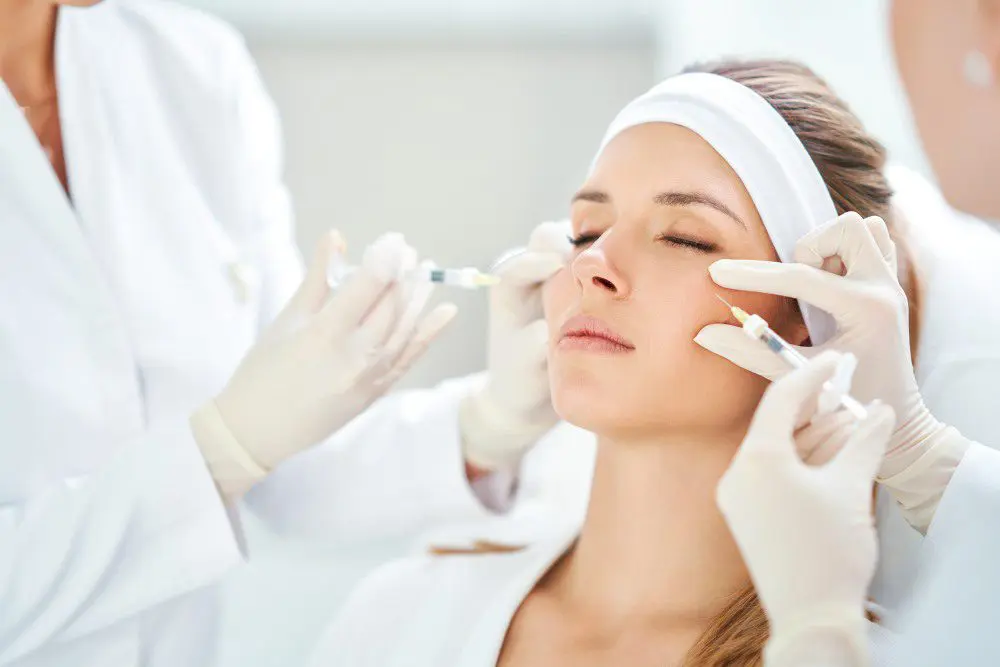

Botox is a purified neurotoxin that temporarily relaxes targeted facial muscles, and it is used to reduce the appearance of dynamic wrinkles. Since its aesthetic approval, this method has been a helpful in-office treatment. Many patients pair it with other procedures to address multiple skin concerns in a single treatment plan. Here is more information on combining Botox with other treatments:
Botox and Fillers
Botox targets muscle movement, but fillers are used to restore lost volume in soft tissue. These two treatments work on different structural layers of the face. When a provider combines them, the treatment plan addresses both wrinkle formation and volume depletion. Together, they cover a broader range of facial changes that neither treatment handles alone.
Fillers use materials like hyaluronic acid, and they add structure to areas such as the cheeks or lips. A provider maps injection sites carefully before starting. Since filler placement affects facial balance, Botox sites are typically planned around it. Both products are administered in the same appointment in many cases.
Timing and placement require coordination between the two products. Botox takes effect within days, while filler results are immediate. Patients who receive both treatments should follow aftercare guidelines for each product separately. Swelling or bruising from one product does not indicate a problem with the other.
Botox and Microneedling
Microneedling creates controlled micro-injuries in the skin, and it stimulates collagen production over time. Botox does not stimulate collagen, so it addresses a separate concern. When used together, the two treatments target different aspects of skin aging. Providers typically schedule them on separate dates to prevent interference.
The main reason for spacing these treatments is skin barrier integrity. Active microchannels from needling can alter how injected products distribute. Since the skin needs time to close after microneedling, Botox is typically administered first or after full healing.
Typical reasons patients combine these two treatments include:
- Fine lines around the eyes and forehead
- Skin texture irregularities alongside active muscle movement
- Gradual collagen loss paired with facial muscle tension
Providers assess skin condition before scheduling either treatment. A simple consultation helps them identify the right sequence and timing.
Botox and Facials
Botox and facials address skin from different angles, and combining them requires attention to timing. Facials involve massage, steam, and product application on the skin’s surface. These elements can displace injections if applied too soon. Providers may recommend waiting at least 24 to 48 hours after treatment before scheduling a facial.
Certain facial types carry more risk when scheduled near a Botox appointment. Chemical peels and microdermabrasion involve more aggressive surface disruption. Since these treatments increase skin sensitivity, they can affect injection sites if performed too close together. Standard hydrating facials carry lower risk and are often cleared sooner.
Schedule Botox Sessions Near You
Botox pairs well with several aesthetic treatments, and each combination targets a different layer or concern. A structured plan covering multiple treatments is more targeted than relying on one alone. Reach out to a licensed provider in your area to discuss which combination fits your current skin goals. Bring a list of any treatments you have received in the past six months.
