


Foot doctors, also called podiatrists, specialize in diagnosing and treating a range of conditions that affect the lower extremities. They provide targeted interventions to help you manage pain and navigate daily mobility issues. A comprehensive foot evaluation identifies the cause of your symptoms, and it guides the development of a personalized treatment plan. Here are some common conditions treated by podiatrists and their solutions:
Diabetic Foot Care
People living with diabetes face challenges regarding their foot health due to neuropathy and poor circulation. Nerve damage limits the physical sensations in your toes, arches, and heels. Because of this numbness, a minor scrape or blister might go unnoticed for days, and it can develop into a severe ulcer. Foot doctors offer routine inspections to identify these skin issues before they become deep infections.
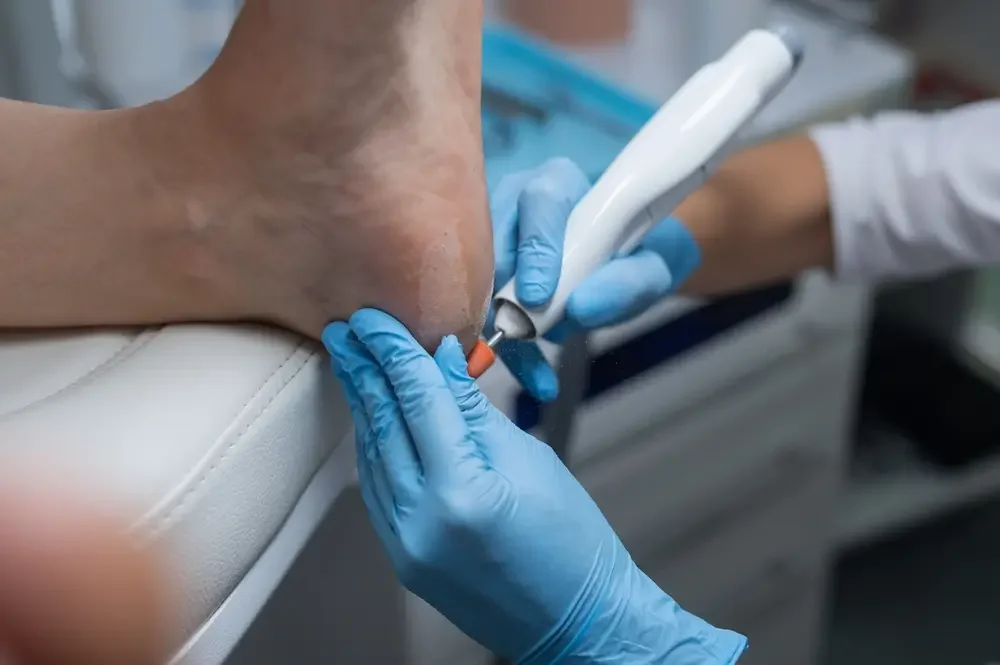
During an office visit, they trim thickened nails, remove hardened calluses, and evaluate your circulation. Podiatrists often prescribe specialized footwear or inserts to protect sensitive skin from friction, and they monitor your progress over time. Through regular clinic visits and preventive habits, you establish a routine that helps protect your lower limbs from complications.
Flatfoot Correction
Flat feet occur when the foot’s inner arch is low or nonexistent, and this causes the sole to press against the ground while standing. Some individuals are born with flat feet, while others develop the condition over time. Fallen arches often generate discomfort that radiates through your leg, hip, and lower back. A foot doctor evaluates your gait to determine the degree of your arch collapse. Initial treatment typically involves customized orthotic inserts designed to support the midfoot and align the ankle joint. Stretching exercises relieve tension in the calf muscles and the Achilles tendon, and supportive physical therapy strengthens the muscles along the inner ankle.
Tendon and Ligament Repair
Sudden physical injuries and repetitive mechanical stress tear the connective tissue that links your bones and muscles. A severe ankle sprain stretches ligaments beyond their normal functional limits, and repetitive running can trigger Achilles tendinitis, causing pain above the heel bone during movement. A foot doctor relies on multiple methods to address these painful problems. They include:
- Rest: Resting the affected area entirely prevents any further tissue tearing. Applying ice helps reduce visible swelling and numbs the area during the first days of recovery.
- Physical therapy: This strengthens the surrounding leg muscles, increasing overall joint stability.
- Braces: Podiatrists often prescribe walking boots or temporary braces to immobilize the ankle joint during healing.
- Surgery: When conservative methods don’t resolve the tears, surgical repair reattaches the compromised tissues to the bone’s anchor points. Recovery takes several months and requires rest and strict adherence to a guided rehabilitation plan.
Visit a Foot Doctor
Ignoring persistent foot pain often leads to decreased daily activity and overall independence. When medical specialists use advanced imaging and physical tests, they diagnose the root cause of your discomfort. They map out actionable steps tailored to your unique physical needs, and they monitor your progress over time. Call a foot clinic today to schedule a comprehensive evaluation.
