

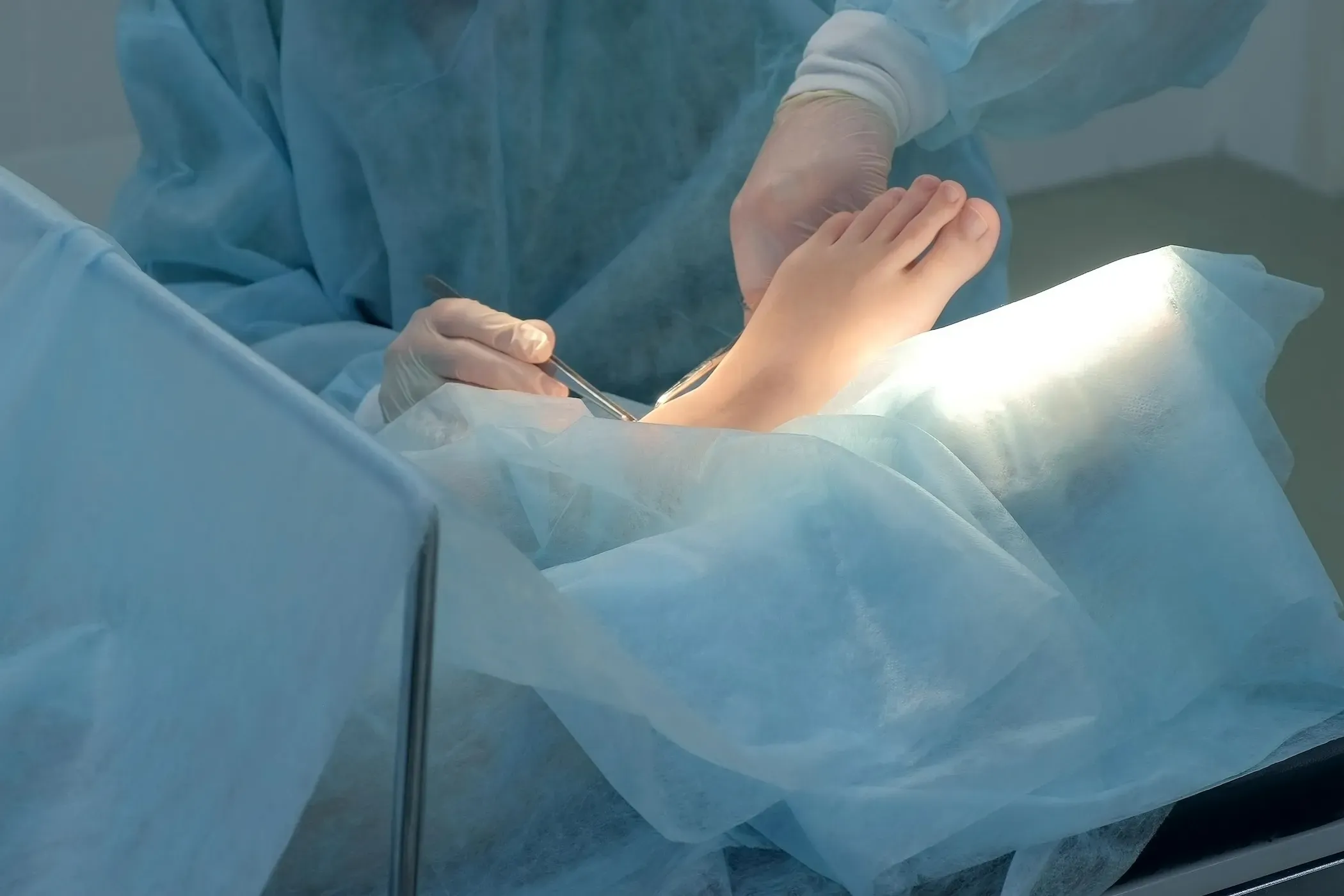

Foot and ankle surgery addresses conditions that affect mobility, stability, and overall foot function. Advances in surgical techniques continue to improve how specialists treat injuries, deformities, arthritis, and other foot and ankle concerns. Here is more information on some of the latest techniques used in foot surgery:
Minimally Invasive Solutions
Surgeons use small incisions to access damaged areas during foot and ankle surgery. This method is helpful for joint correction, and it minimizes damage to surrounding healthy tissue. Traditional open surgery requires a large incision, but minimal techniques rely on tiny punctures. The following are key benefits of minimally invasive procedures:
- Tiny incisions reduce the total surface area exposed during the operation.
- Specialized instruments allow doctors to smooth or cut bones without large openings.
- Fluoroscopy provides real-time X-ray guidance while the surgeon manipulates the tools inside the foot.
These specific approaches change the way clinical teams handle bone alignment. The reduced tissue exposure shortens the healing timeline and lowers the risk of surface infections.
Advanced Surgical Planning
Surgeons rely on detailed imaging tools before they begin foot and ankle procedures. Three-dimensional scans generate a complete model of the lower limb structure. Medical teams use this data to plan precise bone cuts, and they map out hardware placement with high accuracy.
During the planning stage, the surgical team evaluates the precise bone density. This data is fundamental to selecting the correct screws or plates, and it dictates the specific fixation strategy. If a patient possesses weaker bone structure, the surgeon adapts the plan to distribute physical loads evenly.
Restorative Joint Procedures
Cartilage damage requires precise interventions to restore proper mechanical function. Modern techniques involve grafting healthy tissue into the damaged joint spaces, or doctors can insert synthetic materials to replace worn surfaces. This approach is fundamental for patients who experience severe friction during movement.
Soft tissue repair often accompanies the bone adjustments. Tendons and ligaments provide key support to the newly aligned joint, and surgeons tighten these structures during the same procedure. When the muscular support system functions correctly, the artificial or fused joint can operate without excess strain.
Recovery-Focused Support
Clinical teams plan the recovery phase long before the actual foot surgery takes place. A structured postoperative plan is a key element of the process, and it guides the patient through specific rehabilitation stages. The medical staff provides clear instructions for wound care at home. If patients follow these clinical guidelines, they minimize the risk of healing complications. The standard recovery protocol includes the following stages:
- Immobilization keeps the bones stable while initial tissue mending occurs.
- Controlled weight-bearing introduces gradual pressure to strengthen the repaired joint.
- Physical therapy restores flexibility to the surrounding tendons and ligaments.
Consistent monitoring helps doctors monitor the structural healing of the foot and ankle. The medical staff adjusts the weight-bearing timeline based on X-ray results and modifies the routines accordingly.
Explore Foot and Ankle Surgery Options
Modern foot and ankle procedures use advanced technology to correct structural problems. Small incisions and detailed digital planning create predictable outcomes, and these methods reduce the overall stress on the body. Contact a qualified foot surgeon near you to schedule your appointment and explore available foot surgery options.
