

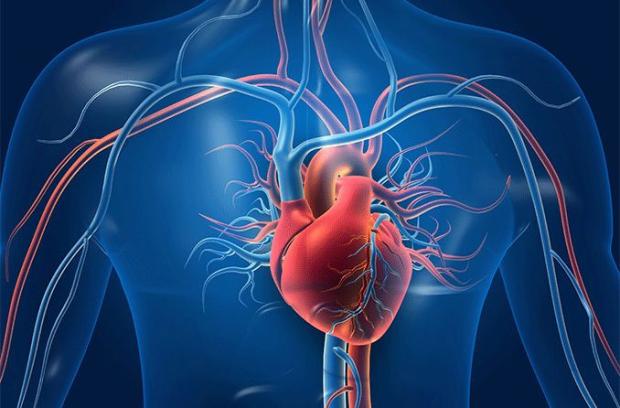

Vascular disease damages the network of blood vessels running throughout your body, and they normally keep your brain functioning at an optimal level. Because debilitating strokes happen suddenly, understanding underlying vascular conditions may help you stay physically safe. Proper medical education directly gives you the necessary tools for better daily management of vascular disease. Here is more information on the link between vascular disease and stroke:
Hardened Arteries
Plaque gradually builds up inside your delicate artery walls, so the blood passages become narrow. When blood flow decreases significantly, your brain tissue receives much less life-sustaining oxygen daily. Atherosclerosis can cause sudden strokes if it is left untreated. The severely restricted blood flow creates a highly dangerous physical environment for all of your delicate brain cells.
If a plaque deposit ruptures unexpectedly, a highly dangerous blood clot forms almost instantly inside the artery. This specific type of clot blocks the affected artery to stop healthy blood flow right away. The surrounding brain tissue starves quickly, and an ischemic stroke can occur without any prior physical warning. Doctors routinely treat these hardened arteries using specific prescribed medications and highly targeted daily lifestyle changes.
High Blood Pressure
Chronic high blood pressure damages blood vessel walls over time. As this specific structural damage accumulates, the affected arteries may lose their natural elasticity over time. The highly elevated pressure tears the lining, and hard scar tissue forms rapidly inside the damaged artery. Your cardiovascular system struggles deeply to regulate normal blood flow through these newly rigid and damaged vessels.
Stiff blood vessels trap passing plaque easily, or they burst under excessively high internal blood pressure. Medical professionals typically call this catastrophic event a life-threatening hemorrhagic stroke. Because these weakened vessels rupture easily, internal bleeding inside the brain tissue can occur unexpectedly in patients. The sudden internal bleeding creates extreme physical pressure directly on your brain tissue.
While chronic hypertension typically feels invisible, you must monitor your personal numbers regularly at your own home. You track the daily results at home, and your primary care doctor reviews them carefully later in the clinic. This precise daily tracking creates a highly accurate clinical picture of your overall daily vascular health status.
Shared Risk Factors
Several bad daily habits significantly elevate your immediate personal risk for both vascular disease and sudden strokes. Eliminating these specific lifestyle risks greatly improves your overall daily blood circulation throughout your body. You make targeted healthy lifestyle changes, and your damaged blood vessels heal slowly over a long time. Before you modify your daily routine, you must carefully review these specific health triggers right now:
- Smoking cigarettes every day
- Eating high-sodium processed foods
- Living a sedentary lifestyle
Peripheral Artery Disease
Your brain faces similar dangerous blockages, so your overall stroke risk may climb significantly higher over time. Hardened plaque in your leg arteries directly indicates dangerous plaque buildup elsewhere in your body. Peripheral artery disease acts as a clear medical warning sign for your future neurological and brain health.
Get Treated for Vascular Disease
Medical professionals use specific diagnostic tests to evaluate your current vascular health. You need accurate clinical data about your daily blood pressure and internal plaque accumulation. Schedule a comprehensive evaluation with a cardiologist, and discuss your personal risk factors. Ask your doctor about targeted medical treatments for vascular disease today.
