


A dermatologist is a medical doctor who specializes in conditions affecting the skin, hair, and nails. They diagnose and manage thousands of different issues, ranging from minor daily irritations to chronic diseases. Some common skin conditions they treat include acne, eczema, psoriasis, and skin cancer. By working closely with patients, these specialists offer structured approaches to maintaining overall skin health, and they help manage ongoing symptoms.
Overview of Dermatology
Dermatology encompasses both the medical and surgical aspects of skin care. The skin is the largest organ of the body, and it acts as the primary line of defense against bacteria, injury, and environmental hazards. Because the skin is an external organ, changes in its appearance can sometimes serve as indicators of internal health issues.
Visiting a skin care specialist allows you to gain a clearer understanding of your unique physiological needs. A dermatologist undergoes extensive medical training, and they use this expertise to evaluate complex skin conditions safely. They focus on providing accurate diagnoses and establishing long-term management strategies tailored to the individual. Routine visits can help monitor changes in your skin over time, confirming that any developing issues are identified promptly.
Acne and Eczema
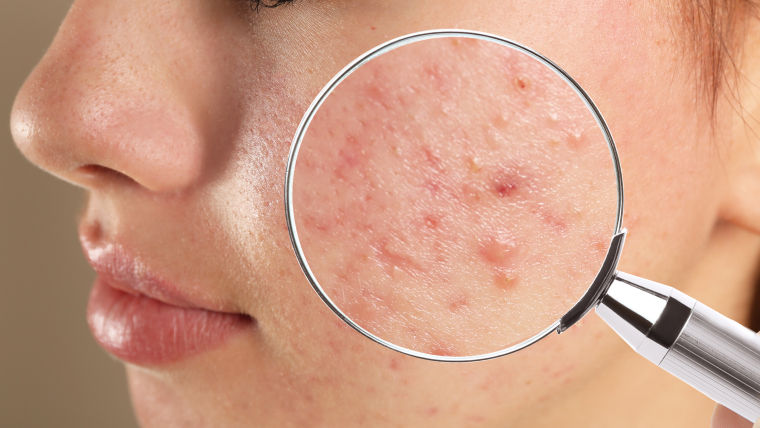
Acne is a widespread condition that occurs when hair follicles become plugged with oil and dead skin cells. It frequently causes whiteheads, blackheads, or pimples to appear on the face, forehead, chest, upper back, and shoulders. While it is often associated with teenagers, it affects individuals across all age groups. Acne causes visible changes to the skin, and dermatologists can suggest routine care practices for different skin types. These professionals guide patients through various management options to help minimize ongoing breakouts and reduce the likelihood of long-term scarring.
Eczema, also known as atopic dermatitis, is a condition that makes the skin red, inflamed, and itchy. It is typically a chronic issue that tends to flare up periodically in response to environmental triggers. Managing eczema often involves identifying these triggers and establishing a consistent daily skin care routine; a dermatologist helps patients navigate these flare-ups by providing clear, practical guidance on moisturization and trigger avoidance.
Psoriasis and Skin Cancer
Psoriasis is a chronic autoimmune condition that speeds up the life cycle of skin cells. Psoriasis leads to a rapid buildup of skin cells, and this rapid buildup creates thick, silvery scales and dry, red patches that can cause significant physical discomfort. Dermatologists assist in managing psoriasis by developing structured routines designed to slow cell turnover and reduce scaling.
Skin cancer typically develops on skin that receives frequent sun exposure, but it can also form on areas that rarely see sunlight. The three major types of skin cancer are basal cell carcinoma, squamous cell carcinoma, and melanoma. Early detection remains a significant focus, as changes in moles or the appearance of new growths can be signs that require prompt evaluation. Dermatologists commonly evaluate and manage these issues by:
- Conducting detailed visual examinations of unusual moles, freckles, or patches.
- Performing biopsies to test suspicious tissues in a laboratory setting.
- Monitoring chronic conditions over time to track any physical progression.
- Discussing sun protection strategies to help prevent future cellular damage.
Ask a Dermatologist Today
If you notice new spots, persistent rashes, or changes in existing moles, scheduling an appointment is a logical and practical next step. Early attention to these changes helps support ongoing skin health, and it can help determine steps to take next. Your dermatologist is available to listen to your concerns and offer reliable information based on your unique needs. Ask your dermatologist any questions about your condition, your daily habits, or your long-term skin care routine. Taking proactive steps to consult a specialist enables you to better understand and manage your daily skin health.
