

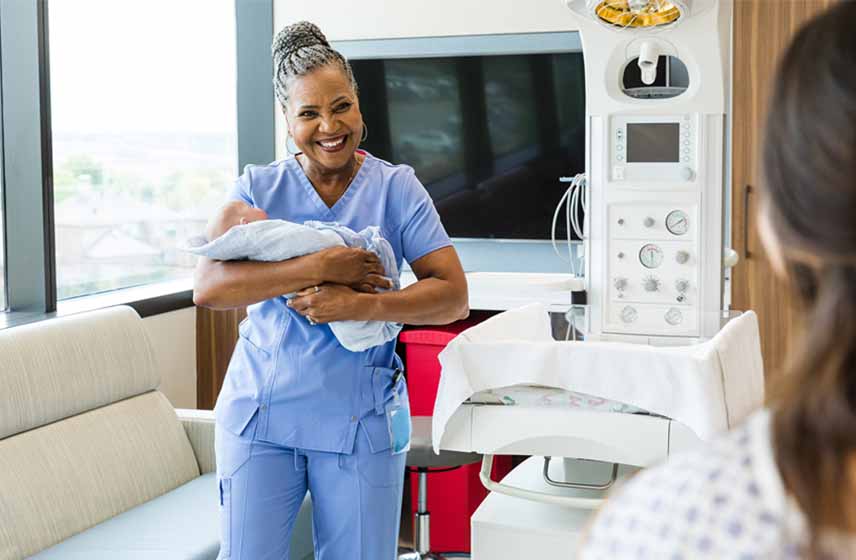

A certified midwife is a trained healthcare professional, and they specialize in comprehensive pregnancy management and holistic reproductive health. Because they complete specialized graduate education programs, these providers offer personalized maternal services for healthy women throughout their pregnancies. They typically pass strict national certification examinations, and they maintain their clinical credentials. Here is more information about their role:
Providing Prenatal Care
When expectant mothers attend their initial clinic visits, a certified midwife can collect detailed personal medical histories to guide future medical treatments. The healthcare provider measures maternal blood pressure at each prenatal appointment throughout the entire pregnancy timeline. Midwives track the developing baby’s physical growth diligently, and they order standard routine laboratory blood tests for maximum maternal safety.
Daily nutrition directly impacts maternal health outcomes, so midwives discuss specific dietary habits regularly during private clinic visits. If a patient experiences rapid physical weight changes, the provider evaluates her current nutritional intake for potential underlying dietary issues. These detailed dietary conversations happen consistently during routine physical examinations within the modern, comfortable clinical maternity environment.
Supporting Women During Labor
As painful uterine contractions increase in regular frequency, midwives actively monitor the mother’s physical progress toward full cervical dilation. They suggest various physical positioning changes, or they may recommend specific focused breathing techniques for natural, effective pain management. The maternity provider remains constantly beside the laboring patient’s bed to offer steady encouragement and continuous physical relief.
Here is a brief list of labor support techniques midwives provide:
- Guiding focused breathing exercises during peak uterine contractions to manage discomfort
- Assisting with safe, rhythmic movement on specialized birth balls to encourage descent
- Providing clear, objective medical updates regarding cervical dilation progress and fetal position
Assisting in Delivery
The active second stage of labor begins, and the midwife verbally guides the intense physical pushing phase carefully. These experienced professionals aim to protect the mother’s delicate tissues from severe tearing during the final crowning process. Because the baby moves downward through the pelvis, the provider prepares warm receiving blankets for immediate use.
The newborn infant emerges safely into the quiet delivery room after hours of intense, focused maternal physical effort. After the baby takes a strong first breath, the midwife clears the tiny airway of any remaining fluids. The mother holds her child immediately, and the provider evaluates her postpartum bleeding levels to prevent dangerous complications.
The midwife continues to closely monitor the mother and baby, making sure both are stable and responding well. Skin-to-skin contact between the mother and baby helps regulate the newborn’s temperature and establish an early bond. While the mother rests, the baby’s vitals are checked, and the provider stays vigilant for any signs of concern that might arise.
Providing Postpartum Care
When the physical delivery process finally finishes, strict maternal recovery monitoring starts right away in the comfortable birthing suite. Midwives check the mother’s physical tissue healing, and they evaluate the new infant’s early nutritional feeding habits thoroughly. Providers routinely address several clinical postpartum topics during the subsequent discharge planning conversations with the family:
- Establishing proper infant breastfeeding latches for optimal early nutrition
- Managing safe surgical or perineal incision care at home to prevent infections
- Designing appropriate maternal sleep and physical recovery schedules for the first month
Find a Certified Midwife Today
You need a highly qualified medical provider for your upcoming pregnancy and delivery experience. If you need personalized maternal support, seek a certified midwife for your primary clinical maternity care. Research local maternity clinics today, and schedule your first consultation soon to discuss your specific family planning goals.
