

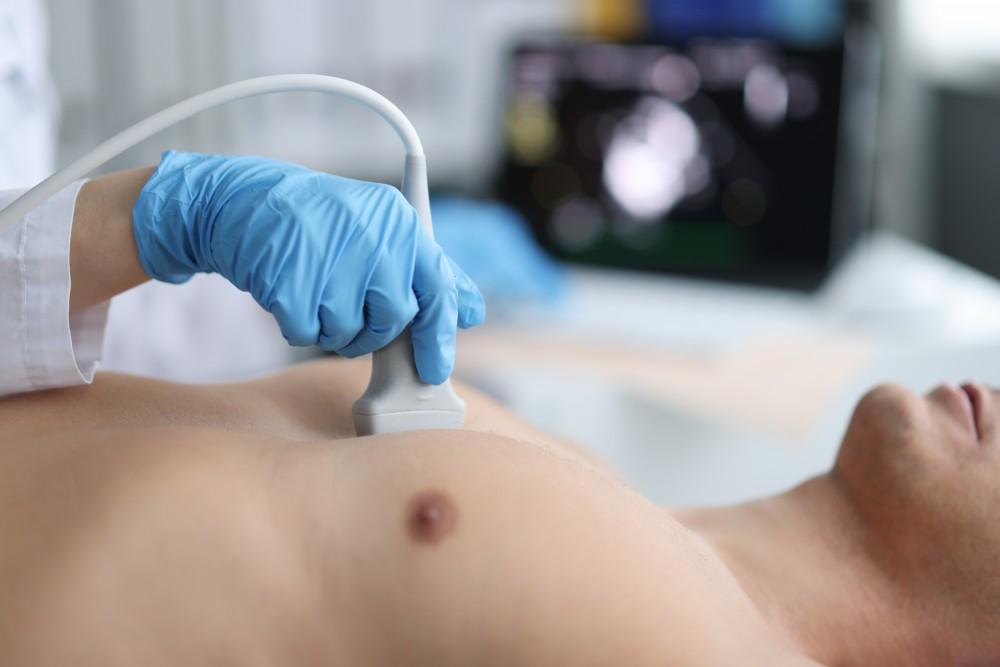

An echocardiogram measures the heart’s ability to function and its structure. Doctors use sound waves to create detailed pictures of your heart, and these moving images show its actual pumping action. Because cardiovascular disease affects millions of individuals, cardiologists prescribe this test to understand more about your overall heart health in order to prescribe appropriate preventive therapies.
Defining The Echocardiogram Process
When a patient needs an echocardiogram, a trained technician places an ultrasound transducer on the chest. This handheld device sends high-frequency sound waves into the body, and the waves bounce back to create moving images on a screen. The basic test is completely painless. Because no radiation is involved, doctors prefer this imaging method, and they can see the cardiac valves clearly.
The ultrasound technology captures real-time video, so your care team views the actual blood flow and pumping of the heart. The entire procedure takes about 40 to 60 minutes. If the standard external test yields unclear results, a doctor might request an internal transesophageal version. During a stress test version, the technician takes pictures before and after vigorous exercise. The physical activity makes the heart work harder, and this extra strain exposes hidden blood flow problems.
Recognizing Heart Health Symptoms
Since many cardiac issues develop asymptomatically over time, medical professionals watch for specific physical warning signs. A patient might experience sudden chest pain or shortness of breath during light exercise. Dizziness is another common physical symptom. Irregular heartbeats require careful medical review, so doctors investigate these sudden palpitations promptly.
Cardiologists also look for the following physical symptoms:
- Unexplained leg swelling: This can indicate potential fluid buildup within the body.
- Loud heart murmur: An abnormal sound heard through a stethoscope that prompts further testing.
- Multiple symptoms: When a patient presents several warning signs at once, their healthcare provider will schedule an imaging session.
- Fainting spells: A sudden loss of consciousness can indicate a severe drop in blood pressure, requiring a cardiologist to rule out structural defects.
Finding Cardiac Abnormalities Inside
Medical experts review the generated ultrasound images, and they evaluate the size of the cardiac chambers. Because weakened muscles pump blood poorly, a technician measures the thickness of the ventricular walls to determine heart health. They also look for damaged tissue.
The standard test measures the patient’s ejection fraction. This metric calculates the percentage of blood leaving your heart, and a low number indicates a weak pumping mechanism. If the fraction drops below normal levels, the patient needs medical intervention.
Specialists analyze the live video feed, and they scan for multiple structural defects. The imaging focuses on several distinct areas:
- Valve function and blood leaks
- Dangerous blood clot formations
- Abnormal fluid around the organ
Interpreting Results And Treatments
After the cardiologist interprets the final report, they discuss the findings directly with the patient. The test results might show a healthy heart, or sometimes they indicate a serious condition like heart failure. Some patients simply need basic lifestyle changes, while others require daily medications to lower their high blood pressure. Surgical interventions may be necessary in some cases. If the test reveals severe valve damage, a surgeon performs a replacement operation.
Learn More About Echocardiograms
Ultrasound imaging provides a safe view of your heart for your cardiologist to assess. If you have risk factors for heart disease, routine screenings help detect issues early. If you want to learn more about echocardiograms and their benefits, consult a cardiologist near you.
