

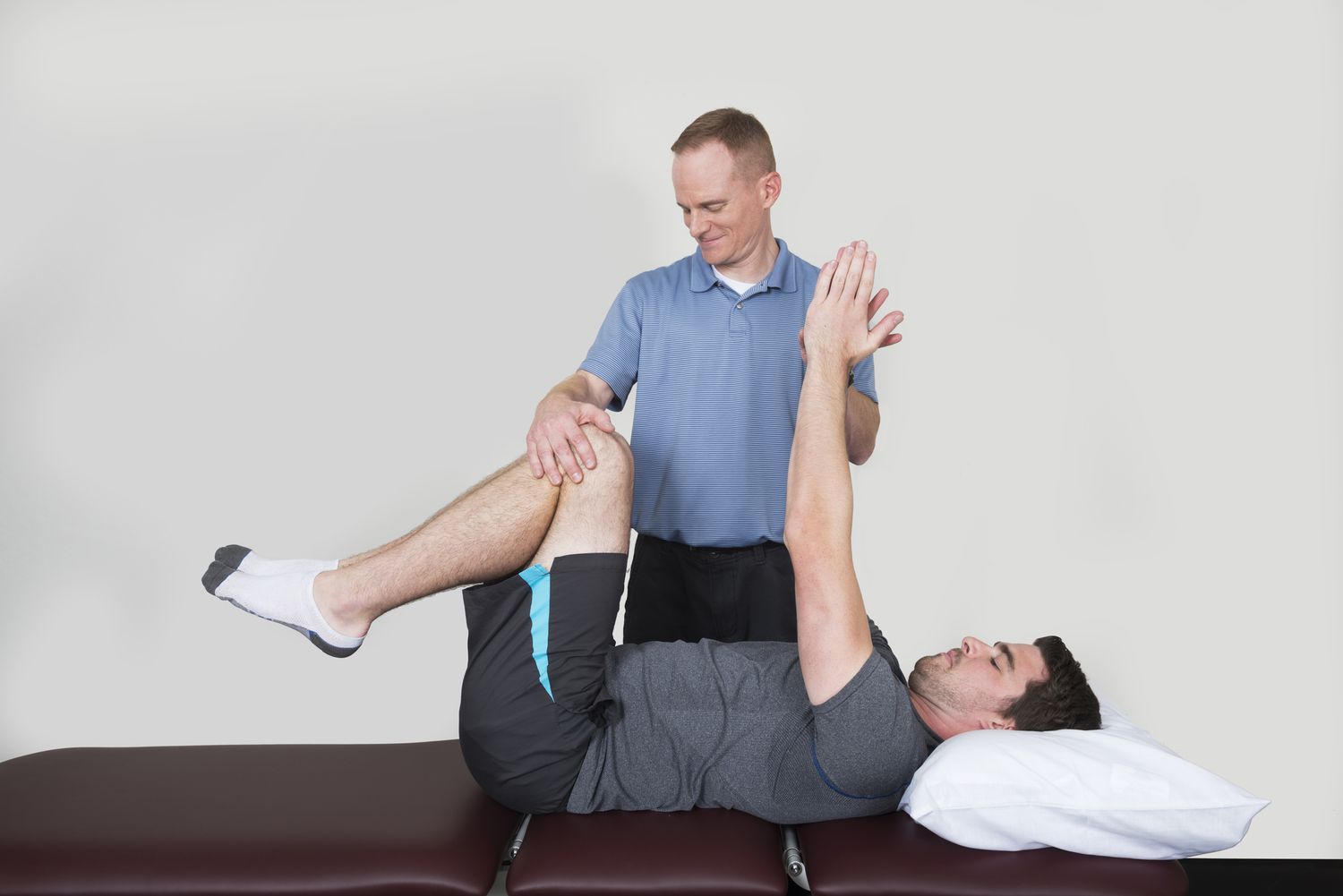

Spinal stenosis is a medical condition involving the structural narrowing of the spinal canal. It may develop gradually, and patients benefit from seeking medical guidance for managing clinical symptoms. The condition impacts physical function, so healthcare professionals utilize specific diagnostic tools to identify the exact areas of nerve compression. Here is more information on this specific structural condition, including its symptoms and treatment approaches:
What Is Spinal Stenosis?
Spinal stenosis refers to a reduction in the space available within the spine. This narrowing places physical pressure on the spinal cord, and it can compress the nerves traveling through the lower back or neck. As the open spaces within the vertebrae shrink, the affected nerves transmit abnormal signals throughout the body.
What Causes It?
Osteoarthritis is a primary cause of this spinal narrowing. The wear and tear of osteoarthritis prompts the formation of bone spurs, which can intrude into the spinal canal. The body attempts to stabilize the aging spine, and it produces extra bone tissue that inadvertently crowds the nerve pathways.
Other structural changes also contribute to the development of this condition. Herniated disks bulge into the spinal canal, and thickened ligaments slowly protrude into the space over time. When spinal trauma or past surgeries alter the local anatomy, patients sometimes face an increased risk of tissue inflammation.
What Are the Symptoms?
Symptoms depend on the location and severity of the nerve compression. Common symptoms may include:
- Localized back pain or radiating discomfort that travels down the legs.
- Tingling or numbness in the extremities due to disrupted nerve signals.
- Increased discomfort when standing or walking for extended periods.
The clinical presentation may vary with physical activity levels, with certain positions providing temporary symptom relief.
What Are the Treatment Approaches?
Doctors typically begin with conservative treatments to manage the condition, requiring minimal disruption to daily life. Lifestyle modifications help reduce the daily physical stress on the spine. Physical therapy builds strength in the surrounding muscle groups. Physical therapy improves overall flexibility, and patients may experience a reduction in their baseline pain levels.
When conservative measures fail to provide relief, physicians may recommend specific medical procedures. Doctors administer facet and epidural injections to reduce local inflammation, and they utilize radiofrequency (RF) ablation to disrupt specific nerve signals. Specialists sometimes suggest spinal cord stimulation (SCS) to alter pain perception.
Surgical intervention remains an option for severe cases of nerve compression. Surgeons remove the bone or tissue causing the narrowing, and they may fuse the affected vertebrae to stabilize the spine. Surgery offers a direct method to relieve physical pressure on the spinal nerves, thereby improving the patient’s quality of life.
How Is Professional Care Beneficial?
Professional medical care provides a structured plan for managing this complex condition. A qualified specialist assesses the degree of nerve compression, and they develop a customized plan of action. Every patient presents a unique anatomical profile, necessitating individualized clinical strategies.
Ongoing monitoring allows doctors to adjust therapies based on patient progression, and medical teams track symptom changes over time. They also modify the clinical approach if the nerve compression worsens. When patients collaborate with healthcare providers, they can navigate the treatment process with a clear understanding of their options.
Consult a Specialist Today
An accurate diagnosis serves as the first step in addressing your spinal symptoms. A spine specialist can evaluate your condition, and they will explain the available options. Untreated nerve compression can progress, so timely medical evaluation helps prevent further structural complications. Reach out to a local medical clinic to schedule a comprehensive assessment.
