

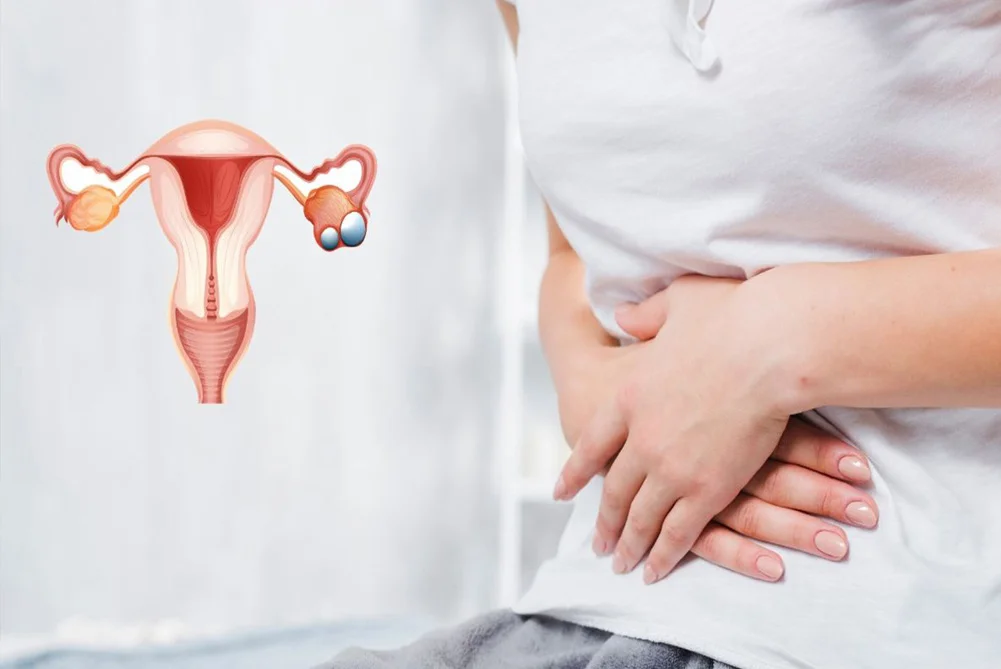

Polycystic ovary syndrome, or PCOS, affects many women worldwide, and it causes a variety of health issues. Recognizing the signs can help patients manage their health effectively. Medical experts classify this condition as an endocrine disorder that requires ongoing management. Here is more information about PCOS symptoms and their treatments:
Understand PCOS Foundations
PCOS is a hormonal disorder, and it primarily affects women during their reproductive years. Women with PCOS symptoms experience an imbalance in reproductive hormones. Because this imbalance disrupts normal ovarian function, the ovaries might develop small fluid-filled sacs called follicle cysts. Medical professionals do not know the exact cause of this condition.
Beyond genetics and insulin, low-grade inflammation can stimulate polycystic ovaries to produce androgens. These combined factors create a complex environment, and they make treating the disorder a multifaceted challenge. While doctors evaluate medical history, they also perform blood tests to reach a diagnosis.
Track Irregular Cycles
Hormonal imbalances disrupt the ovulation process, and this disruption leads to irregular menstrual cycles. A period becomes irregular when a cycle lasts longer than 35 days or is shorter than 21 days. Women might also experience fewer than eight periods a year. Because irregular ovulation prevents the uterine lining from shedding normally, patients can face long-term reproductive complications.
Tracking your cycle requires diligence, but several methods can help you monitor these changes. Because memory can fade, women should record their periods on a calendar or a digital tracking application. Accurate tracking provides valuable information for medical professionals.
Here are some items to note about your cycle:
- Record the start and end dates of bleeding.
- Note the heaviness of the blood flow.
- Write down any physical discomfort experienced during the cycle.
A healthcare provider will review this recorded data, and they will use it to understand your unique cycle patterns. If your periods remain absent for several months, you might need medication to induce a cycle. Consistent tracking takes the guesswork out of reproductive health.
Identify Excess Hair
High levels of male hormones trigger abnormal hair growth in women, and this condition affects the face and body. Because women naturally produce small amounts of these androgens, elevated levels cause a condition called hirsutism. You can spot excessive hair by observing coarse dark hairs on your face or chest. A few stray hairs are normal, but rapid growth in these male-pattern areas warrants a medical evaluation.
Recognize Weight Changes
Insulin resistance makes weight management difficult, and it causes many patients to gain fat around their abdomen. When the body cannot use insulin properly, the pancreas produces more of it to compensate. High insulin levels boost androgen production. These hormones directly contribute to severe acne breakouts.
Patients can tell if these issues relate to the syndrome by looking for a combination of signs. Isolated breakouts happen to everyone, but adult cystic acne paired with weight gain points toward hormonal imbalances. Acne from hormonal conditions primarily develops along the jawline, cheeks, and chin.
Because traditional topical treatments cannot fix internal hormone fluctuations, these deep breakouts rarely respond to standard skincare routines. Medical professionals treat these specific skin issues with tailored prescription therapies, and they also address the root metabolic causes. Many people experience the symptoms of PCOS in isolation, but if you experience multiple symptoms simultaneously, you may benefit from asking your doctor about PCOS.
Diagnose Your PCOS Symptoms
Recognizing the signs of polycystic ovary syndrome can help women take charge of their health, and proper management improves overall well-being. Patients should pay attention to irregular cycles, excess hair, weight gain, and persistent acne breakouts. If you want to know if your symptoms are related to PCOS or another condition, consult a women’s healthcare provider near you.
