

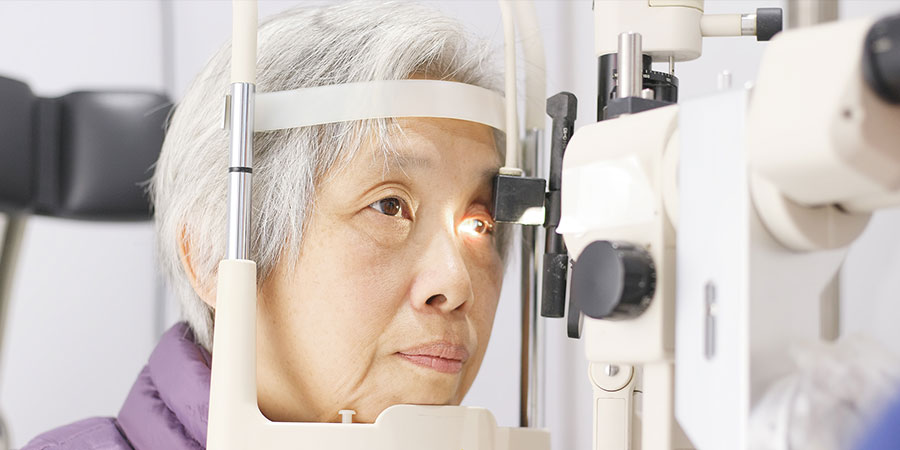

Eye exams do more than check whether a person needs stronger glasses. For aging adults, these visits help track vision changes, spot early signs of eye disease, and reveal findings linked to general health. Many eye conditions develop slowly, and routine exams allow eye doctors to measure changes over time. Here are some reasons why eye exams are key for aging adults:
Prevents Age-Related Diseases
As people age, the risk of eye disease rises. Because some conditions change vision so gradually, a person may not notice a problem until daily tasks become harder. Routine exams detect these diseases early, and eye doctors help prevent major vision loss when treatment begins promptly. Common age-related eye diseases include:
- Glaucoma: This disease often damages the optic nerve without pain or early warning signs. During an exam, your provider will check your eye pressure, review the optic nerve, and test your peripheral vision.
- Age-Related Macular Degeneration: AMD affects your central vision, which is key for reading, driving, and recognizing faces.
- Cataracts: This condition clouds the eye’s natural lens, often causing glare, blurred vision, or faded color perception.
- Diabetic Retinopathy: This is a complication of diabetes and a leading cause of blindness.
Early detection gives you and your doctor more information about the condition and how it is progressing. With regular follow-up, you can track changes and discuss management options based on exam findings. Doctors will adjust treatment plans as needed, or they will maintain current care if the condition remains stable.
Monitors Systemic Health
The eyes offer a direct view of blood vessels and nerve tissue, so an eye exam helps reveal signs of health issues elsewhere in the body. Diabetes, high blood pressure, autoimmune disease, and high cholesterol can leave indicators in the retina or surrounding structures. If retinal blood vessel changes occur, they sometimes point to poor blood sugar control or long-term hypertension. Swelling of the optic nerve may demonstrate pressure-related problems that require prompt medical review. Dry eye, inflammation, or changes in eye movement also connect to broader medical conditions or treatment side effects.
This part of eye care matters for older adults, who often manage multiple health issues simultaneously. A detailed exam adds another layer of monitoring. It does not replace visits to a primary care physician or specialist, but it provides additional clinical information that supports broader care planning.
Supports Quality of Life and Safety
Clear vision affects daily function. Reading medication labels, seeing steps, cooking, and driving all depend on accurate sight. When vision declines, these tasks may take longer or become less safe. Falls are a key concern among older adults, and poor depth perception or reduced contrast sensitivity usually contributes. Even small prescription changes can improve visual comfort for reading or distance tasks. For patients who already live with reduced vision, an exam helps identify tools such as updated lenses or magnifiers that better fit their needs.
Schedule an Eye Exam
Regular eye exams give aging adults a practical way to monitor vision and detect changes early. They also help identify signs of eye disease and findings that may relate to overall health. The visit is usually brief, but the information gathered is useful for long-term care decisions. If you or an older family member has not had a recent exam, contact an eye doctor to schedule one today.
