

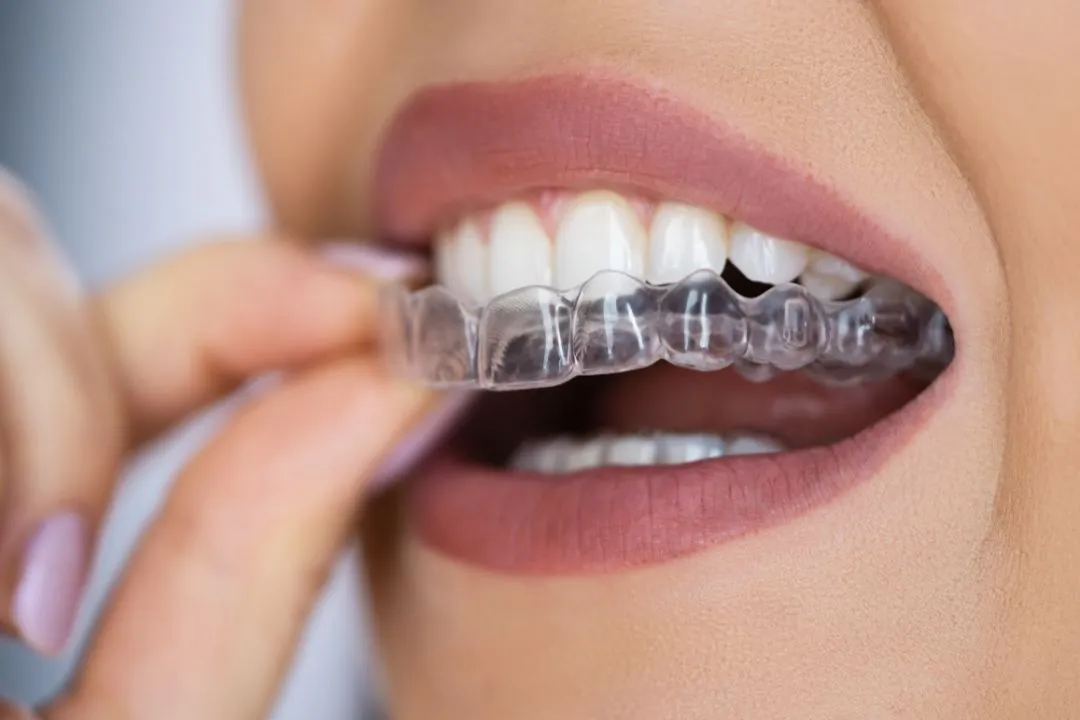

Visible hardware may deter individuals from pursuing alignment correction, so dental professionals offer aesthetic options. Clear braces offer a less noticeable treatment option, and they correct various structural dental issues. Patients may achieve proper occlusal alignment and experience a less conspicuous therapeutic process. Here is more information on this orthodontic option:
What Are Clear Braces?
Clear braces operate as a specific type of fixed orthodontic appliance. While they function similarly to standard metal braces, they utilize transparent or tooth-colored ceramic materials. This design minimizes the visual impact of the brackets, and it blends with the natural enamel of the teeth.
The ceramic compounds used in these brackets offer structural durability. This material resists fracture during normal mastication, and the brackets withstand the forces required to shift teeth. The clear components maintain their integrity, with the archwire providing the necessary tension for movement.
How Do They Work?
The clinical mechanics of braces rely on consistent, targeted pressure. When the orthodontist attaches the ceramic brackets to the teeth, a connecting wire gradually guides the dentition into the desired position. Patients attend regular adjustment appointments, and the clinician modifies the tension to sustain the alignment process.
As the archwire applies force to the periodontal ligament, the surrounding bone tissue adapts to the new tooth position. This biological process is called bone remodeling. Osteoclasts break down bone in the direction of movement, and osteoblasts build new bone in the vacated space.
What Issues Do They Address?
Orthodontists use clear braces to address a range of functional malocclusions, including:
- Crowding and Spacing: Clear braces are effective for correcting severe crowding and significant spacing irregularities.
- Bite Misalignments: They can resolve overbites by realigning the upper jaw and underbites by shifting the lower teeth backward.
- Rotational Issues: These braces can manage complex rotational movements of the teeth with high precision.
The consistent force applied by the braces shifts the roots within the jawbone, resulting in a permanently aligned dental arch.
What Does the Process Entail?
The treatment begins with a comprehensive dental consultation and evaluation, and the clinician takes X-rays and digital impressions. They formulate a treatment plan for the patient, allowing for a personalized experience. The orthodontist bonds the clear brackets to the enamel, then threads the archwire through the specified slots. Clinical adjustments occur every two to eight weeks in the office.
What Are the Benefits?
The primary clinical advantage is the appliance’s subtle appearance. The ceramic material mimics natural tooth color, enabling patients to achieve a lower visual profile in their daily interactions. Clear braces offer the mechanical efficiency of metal brackets, and they can deliver predictable results for complex dental corrections.
Advanced ceramic materials may resist staining from dietary consumption. If patients maintain proper oral hygiene throughout the day, the brackets remain transparent. This durability prevents mid-treatment aesthetic degradation, and the clinical outcomes can match those of traditional orthodontic methods.
Seek a Discreet Orthodontic Experience
Clear braces offer a scientifically proven method for correcting structural malocclusions. It combines mechanical force with a subtle aesthetic profile, providing support to adult and adolescent patients alike. Contact a local orthodontic clinic to schedule a comprehensive consultation and learn whether clear ceramic braces are suitable for your specific alignment needs.
