


Veneers are a common cosmetic dentistry option. The treatment involves using thin shells to improve the appearance of your teeth. Choosing the right veneers is a step-by-step process; it includes a consultation, preparation, and final placement. Because the process involves several clinical and aesthetic stages, understanding each step can help you be better prepared. Here is more information about veneers and the process of receiving them:
Understanding Veneers
Veneers are thin, custom-made shells that fit over the front surface of a tooth. They address teeth that are chipped, discolored, unevenly spaced, or shaped differently from the surrounding teeth. Each shell covers the visible part of a tooth. Because it sits on the front surface, the veneer changes how the tooth looks while leaving the back of the tooth in place. A dentist bonds the veneer in place using a dental adhesive; this approach keeps the focus on the parts of the tooth that show when you smile.
Two materials frequently appear in veneer treatment; your dentist can explain how each one differs after reviewing your teeth. The choice shapes the timeline, the number of visits, and the overall approach your dentist recommends. Options include:
- Porcelain Veneers: A dental laboratory crafts these from a ceramic material, and then the dentist bonds them to the tooth surface to match your other teeth.
- Composite Veneers: A dentist applies a tooth-colored resin directly, shaping it on the tooth, often within a single visit.
Planning Your Veneer Treatment
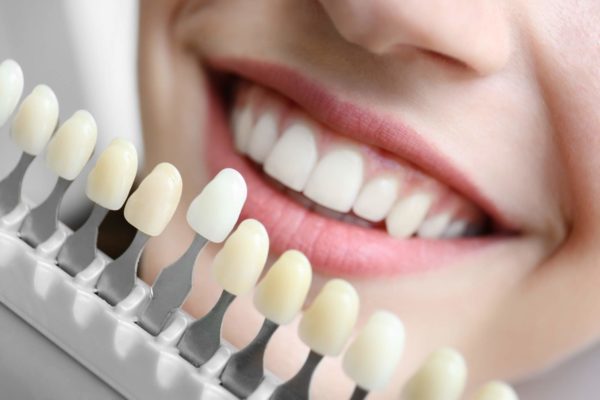
During a consultation, the dentist examines your teeth and gums to review their condition. They may take X-rays or impressions to gather details about each tooth. This stage is also when you outline your goals with the dentist, which involves identifying the teeth involved, discussing the available options, and forming a treatment plan suited to your situation. The next step focuses on the veneer’s appearance. You and your dentist work together to choose the shade, shape, and size that fit your smile. Dentists may use a shade guide; this helps compare colors against your natural teeth. They also evaluate the shape of your face and the proportions of nearby teeth. Some cosmetic dentistry practices may use digital previews or temporary mock-ups, which allow you to see the expected result before any permanent work begins.
Completing the Veneer Process
Preparation depends on the type of veneer you select, as the steps differ between the two materials. For many porcelain veneers, the dentist removes a small amount of enamel from the front of the tooth so the shell fits properly. They then take an impression and send it to a laboratory. While the permanent veneers are prepared, the dentist may place temporary ones. With composite veneers, the dentist sometimes shapes and applies the resin during the same appointment; this helps reduce the number of visits you schedule.
When the veneers are ready, the dentist checks the fit and color before bonding them in place. They make small adjustments and review your bite. After placement, caring for veneers follows familiar habits; regular brushing, daily flossing, and routine dental visits all support their condition. Your dentist may suggest specific guidance or oral tools based on your situation.
Find a Cosmetic Dentistry Clinic
Choosing veneers is a step-by-step process that moves from understanding your options to selecting materials, planning the details, and completing the final placement. This knowledge helps you make a more informed decision. Because treatment outcomes depend on individual goals and dental conditions, a consultation with your dentist is an ideal way to determine whether veneers are right for you. Learn more about this treatment by scheduling an appointment at a cosmetic dentistry clinic.
