

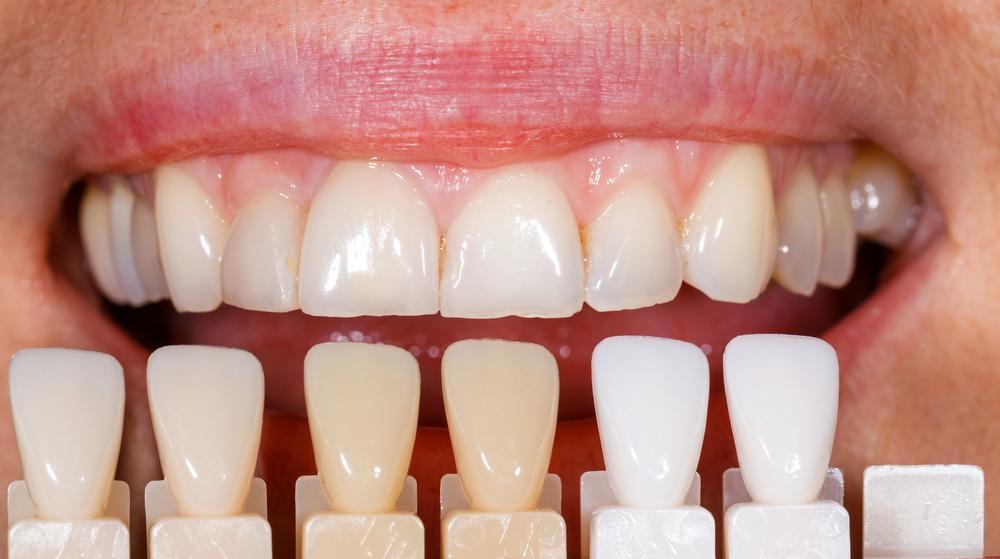

Dental veneers are thin shells placed over the front surface of teeth to change their appearance. They are often made from porcelain or composite resin, and each material has different features and maintenance needs. A dentist uses them to address visible cosmetic issues that affect the shape, color, or spacing of teeth. Here are some reasons to get a dental veneer:
Conceals Discoloration
Some tooth stains do not respond well to whitening products or professional bleaching. Deep discoloration may result from aging, past dental work, or medications, and a veneer covers the front of the tooth to create a uniform shade. This approach is often used when one tooth appears darker than the surrounding teeth.
It may also help when several front teeth have uneven color that stands out during speech or smiling. Porcelain veneers resist surface stains better than natural enamel, so many dentists select them for this purpose. Veneers offer a long-term option for people who want a uniform appearance without repeated whitening sessions.
Repairs Damage
Chips, worn edges, and small fractures often change how a tooth looks. If a front tooth has minor damage that attracts attention, a veneer can cover the flaw and give the tooth a smoother appearance. In some cases, enamel has worn down from grinding or acidic foods. Wear may leave teeth looking short, flat, or uneven; veneers are sometimes used to create a balanced appearance. The dentist first examines the tooth structure, bite pattern, and extent of wear before deciding whether a veneer is suitable.
Closes Gaps
A small gap between teeth may not affect oral function, but it often changes a smile’s appearance. Veneers reduce that visible space by widening the front surface of one or more teeth. This is usually done on the upper front teeth, where spacing is most noticeable.
The size and location of the gap matter. A narrow space may be corrected with veneers, but a larger gap will require a different treatment approach. Symmetry also matters, since changing one tooth often requires adjusting adjacent teeth to achieve a natural look. When spacing is mild and the teeth are healthy, veneers provide a cosmetic way to create a closer, more even layout.
Reshapes Teeth
Some teeth are naturally small, uneven, pointed, or irregular at the edges. Others appear out of proportion due to wear or prior dental changes. Veneers, which alter the shape of teeth without changing their structure, are used to make front teeth look longer, smoother, or more balanced with neighboring teeth. One lateral incisor may appear smaller than the other, or a central tooth has a rough edge that disrupts symmetry. A veneer allows the dentist to refine these details with a custom design. Shade, length, width, and contour are selected to match the surrounding teeth, so the final result aligns with the rest of the smile.
Learn More About Dental Veneers
Veneers are used to address several visible concerns, including discoloration, minor damage, and small gaps. They are cosmetic treatments, so the right choice depends on your goals and the condition of your teeth. During a dental exam, a dentist can determine whether veneers are right for you or if another option is appropriate. Schedule a consultation with a dentist today to learn more.
