

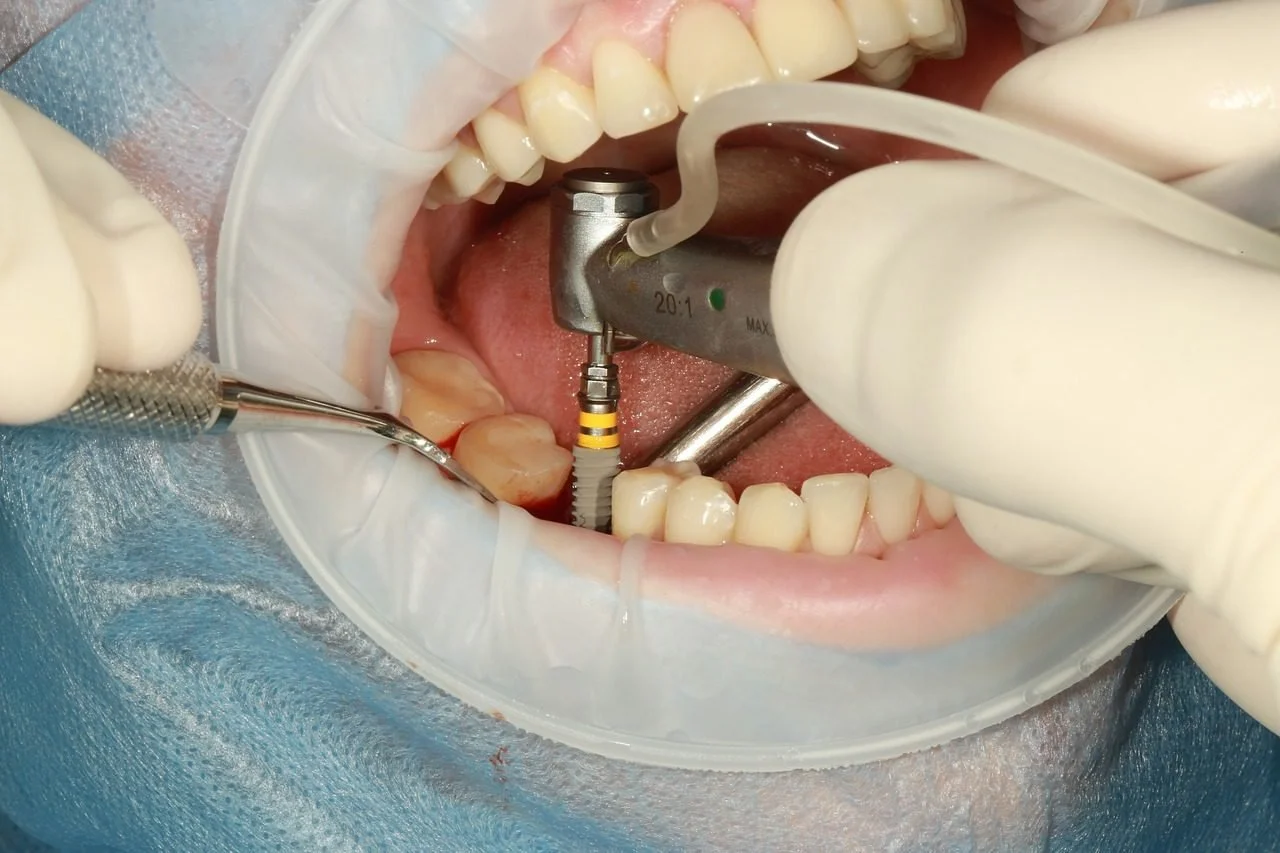

Dental implant specialists manage the surgical insertion of artificial tooth roots into the jawbone. These medical professionals undergo extensive training in oral surgery, and they oversee the restoration procedure. Because the process requires accurate knowledge of facial nerves and sinus cavities, the specialist maps the jawbone structure before any physical intervention begins. Dentists often use X-rays or other imaging technology to plan how to approach implant surgery.
Initial Appointment
The first clinic visit usually begins with a medical history review, and the administrative staff officially updates dental records. While discussing past oral health diagnoses, the specialist identifies any potential anatomical risks for the surgery. This initial consultation establishes the medical foundation for the treatment timeline. Dentists can assess the patient’s desired outcomes and answer any questions the patient may have.
After the health history interview concludes, the specialist orders imaging tests like 3D cone beam scans. These detailed images reveal bone density and facial nerve locations. The specialist analyzes the images, or they consult with a primary general dentist for further health history. Using this information, the dental implant specialist can determine if the patient is eligible for an implant.
The physical evaluation data informs the surgical approach for the implant. If the jawbone lacks sufficient mass, the specialist may schedule a bone grafting procedure first. The surgical team presents a timeline to the patient that includes each step in the process, and the implant specialist prepares to implant the post.
Post Implantation
During oral surgery, the dentist uses specialized tools to insert a post into the jawbone. The surgical site usually requires substantial care, and recovering patients are recommended to follow specific dietary restrictions. The affected gums need time to heal around the titanium post. As the bone slowly fuses to the metal over several months, the post stabilizes in the jaw.
Once swelling subsides, the clinic may schedule follow-up appointments to check the healing progress. The specialist may examine the soft tissue, and they may order new X-rays to verify structural stability. The healing progress is monitored closely by the dental team. If any changes occur, the patient can inform the dentist and receive necessary care.
Crown Placement
The placed post includes a section at the top that will connect with the dental prosthesis. The specialist carefully attaches this specific connector piece, and the laboratory manufactures the artificial tooth. When the final ceramic crown arrives from the dental lab, the dentist verifies the color match and overall structural integrity before placing the crown.
At another follow-up appointment, the provider places the new crown onto the abutment, and they check bite alignment. Because a misaligned bite can cause premature wear, the dentist can make minor modifications to the prosthesis for a more exact fit. The final adjustments are completed within a single appointment.
After verifying that the crown fits onto the post and within surround teeth, the dentist cements the prosthetic in place. This final completes the procedure. The new tooth functions like a natural tooth, and routine daily brushing actively maintains its exterior appearance. The dentist may make recommendations for how to adjust to the new tooth, and the patient can usually return to normal eating activities.
Visit a Dental Implant Specialist
If you need to replace a missing or damaged tooth, look for a dental implant specialist. They can help you prepare for an implant. You can schedule an initial evaluation appointment to plan future steps, and a dentist can help you understand the timeline for scheduled procedures.
