

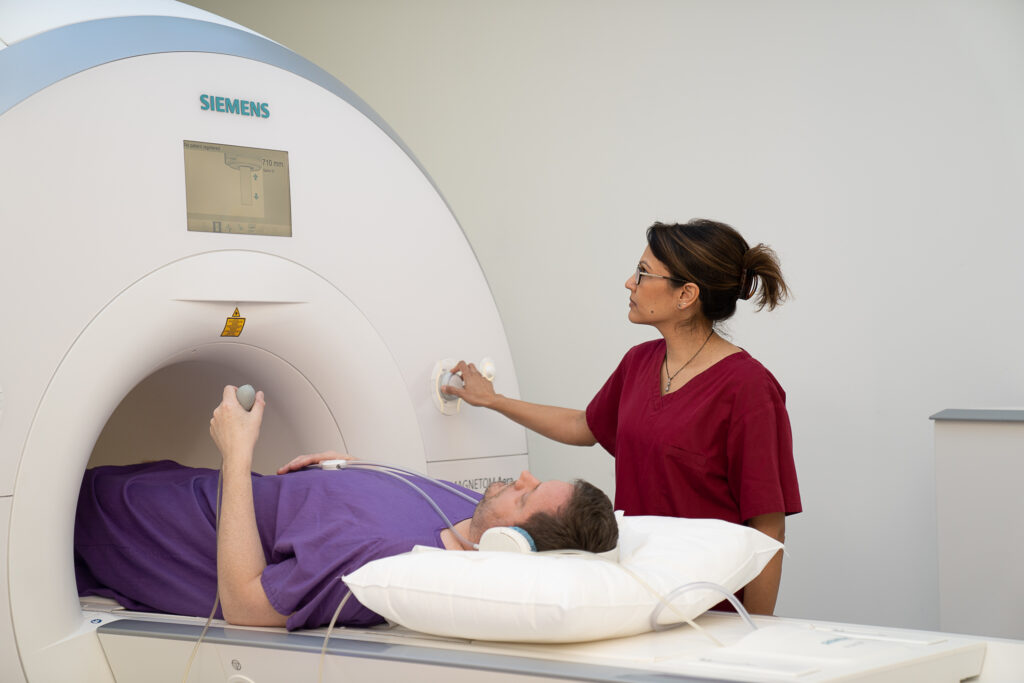

Magnetic resonance imaging (MRI) machines produce highly detailed pictures of internal human body parts, and this technology plays a central role in healthcare facilities. Medical doctors use these advanced scans for precise diagnosis and regularly monitor ongoing patient treatments with them. Since the heavy scanning machine utilizes remarkably strong magnetic fields, it maps internal anatomical structures very precisely. Here are some of the advantages of an MRI over other imaging techniques:
Less Invasive Approach
When professional medical practitioners need clear internal body views, they often choose this specific imaging method. Patients simply lie completely still inside the long diagnostic tube, and the computer generates cross-sections. The large medical scanner captures precise digital images of the patient’s physical body completely. While some diagnostic tests require safe intravenous contrast dye, doctors may avoid surgery.
Soft Tissue Contrast
Standard X-rays show rigid bones clearly, but an MRI excels at viewing soft tissues. Because living human organs contain very high water content, the strong magnets detect them quite easily. The scanning technology distinguishes between different types of underlying muscle or fatty tissues. The human brain requires detailed mapping, and this tool provides clear imaging.
While older, traditional methods may struggle to detect soft cartilage, this scanning technique effectively shows joint damage. A physician examines delicate knee ligaments, and they assess tiny tendon tears. Medical care providers use these detailed digital pictures for patient evaluations. If a patient has a spinal injury, the scan reveals subtle disc abnormalities.
Professional physicians rely on these medical scans for highly accurate cancer staging diagnostic procedures. As growing tumors alter normal tissue structures, the imaging system highlights those specific cellular changes. The clear images display dense vascular networks, and trained specialists review intricate blood flow patterns. Precise internal tissue differentiation greatly aids medical doctors during complex patient treatment planning stages.
Complete Lack of Radiation
Standard CT scans use radiation, and this fact may concern health-conscious patients today. An MRI avoids harmful ionizing radiation completely during your entire diagnostic procedure. Because the scanner uses harmless radio waves, your body stays safe from harm. You avoid the radiation risks tied to older medical scanning methods and machines.
Frequent health monitoring checks sometimes require multiple diagnostic scans over a long time period. When you get several CT scans yearly, your total radiation exposure adds up rather quickly. Patients need regular progress monitoring, so completely radiation-free imaging options work well for them. Your caring doctor prioritizes your long-term wellness and personal safety above all other things.
Various Capabilities
The dynamic technology adapts to different diagnostic needs, and it helps improve the process. While older medical machines only do one specific job, a modern MRI handles many complex tasks. These incredibly advanced scanners identify several unique internal medical issues every single day:
- Severe joint injuries and painful torn ligaments
- Complex brain and delicate spinal cord diseases
- Dangerous heart vessel blockages or structural damage
Schedule an MRI Near You
If you feel pain, a highly detailed image provides immediate clarity about the source. Reach out to a local medical imaging center for help right away. Book your diagnostic appointment now to begin the consultation process. Your lasting health matters, and the right medical scan brings you answers.
