

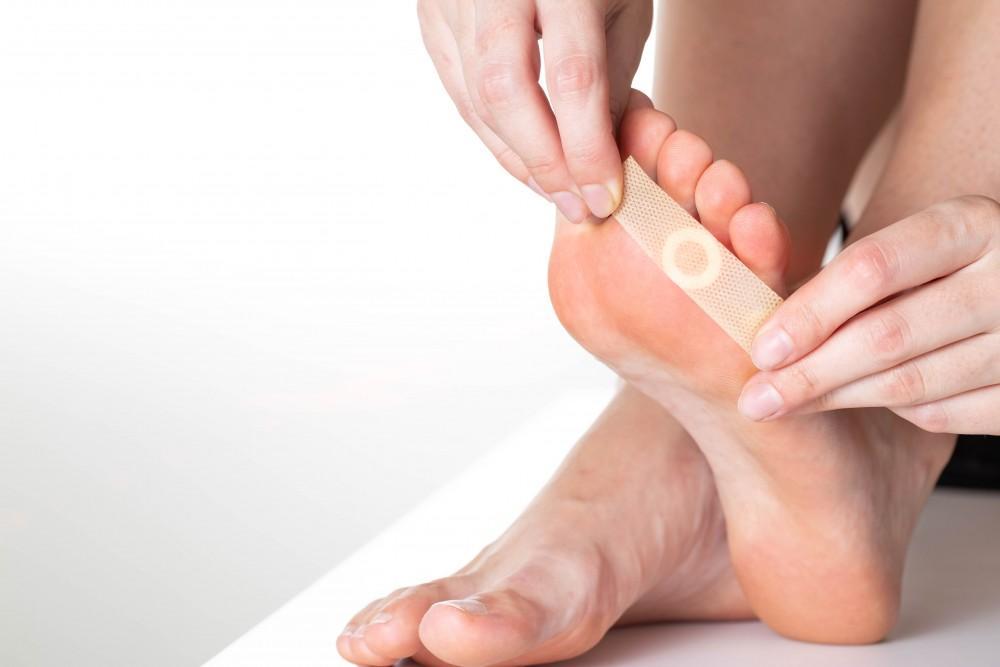

Warts are noncancerous skin growths. The human papillomavirus causes these growths, and the virus enters the skin through small cuts or abrasions. Because the virus thrives in warm, moist environments, people often contract it in public areas such as locker rooms, and these infections lead to growths on the feet. Proper footwear helps protect the skin. Shoes form a physical barrier, and socks absorb excess moisture. When individuals keep their feet dry, the virus cannot survive, and this preventive practice lowers the overall risk of infection.
Causes and Risk Factors
Plantar warts develop on the soles of the feet. These growths can cause discomfort, and patients frequently notice pain when walking or standing. When individuals observe changes in their skin, they schedule medical appointments, and healthcare providers evaluate the warts to determine treatment options. The human papillomavirus spreads through direct contact or contaminated surfaces. If individuals walk barefoot in public areas, they increase their risk of infection, and the virus enters through microscopic cuts or abrasions. Children face higher risk, and teenagers also experience frequent outbreaks. People with weakened immune systems are more susceptible, and some individuals show no symptoms due to stronger immunity. Dry or cracked skin develops fissures that allow viral penetration, and the infection targets the basal layer of the epidermis. Because the virus replicates slowly, visible growths may not appear for several months, and early observation aids timely intervention.
Symptoms and Identification
Plantar warts create hard lesions on the feet. These lesions resemble calluses, and they contain tiny black dots that patients often notice during self-examinations. Because these dots represent clotted blood vessels, medical professionals use them for diagnosis, and they guide treatment decisions. Patients experience pain during weight-bearing activities. Walking applies pressure to the lesions, and this pressure pushes the wart inward. As the growth presses against nerve endings, individuals report sharp sensations, and standing can become uncomfortable. The lesions interrupt natural skin lines. Normal foot creases bypass the growth, and this feature distinguishes warts from typical corns. When providers examine the area, they observe the disruption, and scraping the surface reveals pinpoint bleeding, which confirms the diagnosis.
Treatment Options for Warts
Medical providers offer several treatment options. Over-the-counter medications contain salicylic acid. This acid gradually peels away the affected skin, and patients must apply it consistently. Because the treatment targets infected tissue, it dissolves the wart slowly, and the body replaces the area with healthy skin. Specialists utilize cryotherapy for persistent lesions. Liquid nitrogen freezes the targeted tissue, and the freezing creates a blister around the growth. After the provider applies extreme cold, the dead tissue sloughs off within days. The immune system then clears remaining viral particles. Repeat sessions may be necessary for stubborn warts, and this method is effective for many patients.
Laser therapy targets the lesion’s blood supply. Concentrated light destroys tiny vessels, and the infected tissue dies from lack of nutrients. Doctors recommend laser therapy if topical medications fail, and patients generally tolerate the brief procedure well. Because the technique limits damage to surrounding skin, recovery is usually quick, and the wart rarely returns at the treated site. Immune therapy stimulates the body’s natural defenses. Providers inject antigens into the lesion or apply specialized topical creams. Because the virus can evade natural detection, this stimulation alerts the immune system, and white blood cells attack the abnormal growth. Patients may require multiple applications, and treatment is adjusted based on response. This approach complements other methods and helps reduce recurrence when standard treatments are insufficient.
Find a Clinic
Plantar warts require appropriate medical attention. The human papillomavirus causes these growths, and early intervention prevents further transmission. If individuals notice new skin changes, they seek professional evaluation, and providers implement targeted therapies to relieve symptoms. Untreated lesions can spread to other parts of the body. Timely interventions resolve the infection, and patients resume normal daily activities. Because persistent warts can interfere with walking, effective treatments restore foot function, and individuals achieve long-term recovery. Lesions may recur without proper care, and follow-up visits help monitor healing while ensuring treatment success. Find a clinic for treatment.
