

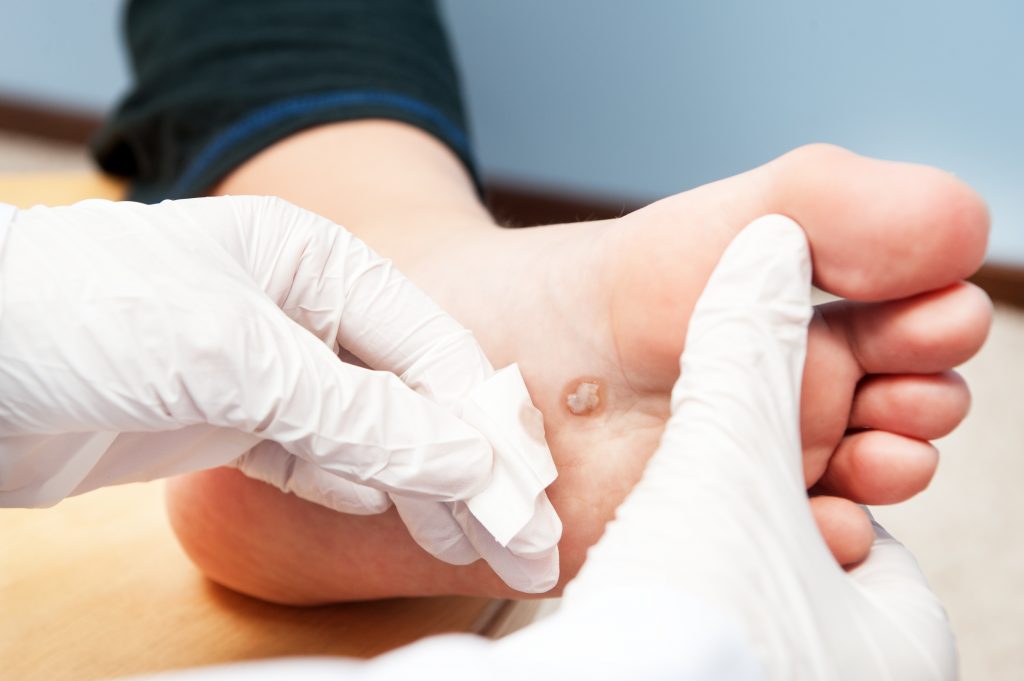

Warts are small skin growths that develop on various parts of the body, and they result from a viral infection. These bumps typically appear on the hands and feet, but they can affect other areas as well. While they are usually harmless, effective treatments exist for removing them safely. Here is more information about warts, what causes them, and wart removal treatments:
Understanding Wart Causes
Warts develop when the human papillomavirus infects the top layer of skin, and this virus causes rapid cell growth. When patients seek wart removal, doctors evaluate the root cause of the growth to determine if it is a wart or some other type of lesion. Because the virus spreads through direct contact, an individual can catch it by touching an infected area. A scratch can spread the infection to another body part, or a person contracts it from shared surfaces, such as a locker room floor.
Identifying Wart Types
Medical professionals classify these skin growths into several distinct categories based on their location. Common warts usually appear on the hands, and they have a rough surface. Plantar growths develop on the soles of the feet, which makes walking painful. Flat warts present as smooth bumps, and they typically emerge on the face or legs.
Doctors recognize the following primary categories during a physical exam:
- Common warts: are typically found on the fingers and hands and contain black dots that resemble seeds.
- Plantar warts: found on the bottom of the feet and may affect your ability to walk comfortably.
- Filiform warts: resemble long threads that protrude from the skin and are typically found on the face.
- Butcher’s warts: tend to develop on the hands of those who handle raw meat or work in a cold, moist environment.
Each type requires a different approach to treatment, so a doctor must diagnose the exact condition.
Exploring Clinical Treatments
Dermatologists utilize several methods to eliminate these stubborn growths safely. Cryotherapy involves freezing the tissue with liquid nitrogen, and this process destroys the affected cells. Although the treatment may cause mild discomfort, the blistered skin eventually falls off naturally.
Doctors utilize other procedures for stubborn cases that resist freezing:
- Cantharidin application causes a blister to form under the growth.
- Electrosurgery burns the infected tissue away.
- Excision physically cuts out the affected area.
- Laser therapy targets the blood vessels inside the growth to starve the virus.
Preventing Future Warts
Because the virus thrives in damp environments, wear sandals in public showers. Good hygiene helps stop the spread, and handwashing provides protection. If you touch an infected area, wash your hands immediately. Biting fingernails creates tiny cuts that allow easy entry for the virus, so break this habit to protect your fingers.
If you do have a wart, you can cover it with a bandage and keep the area clean while you await treatment. Some over-the-counter methods are available, such as salicylic acid and at-home freezing kits. Sometimes these methods do not achieve the desired result; you may contact a dermatologist for further treatment.
Learn More About Wart Removal
Medical professionals provide various options for eliminating these skin growths. While viruses cause these bothersome bumps, clinical procedures can restore your skin. Good hygiene stops future infections, and medical interventions clear existing issues. If you want to learn more about treatment for warts, consult a dermatologist near you.
