

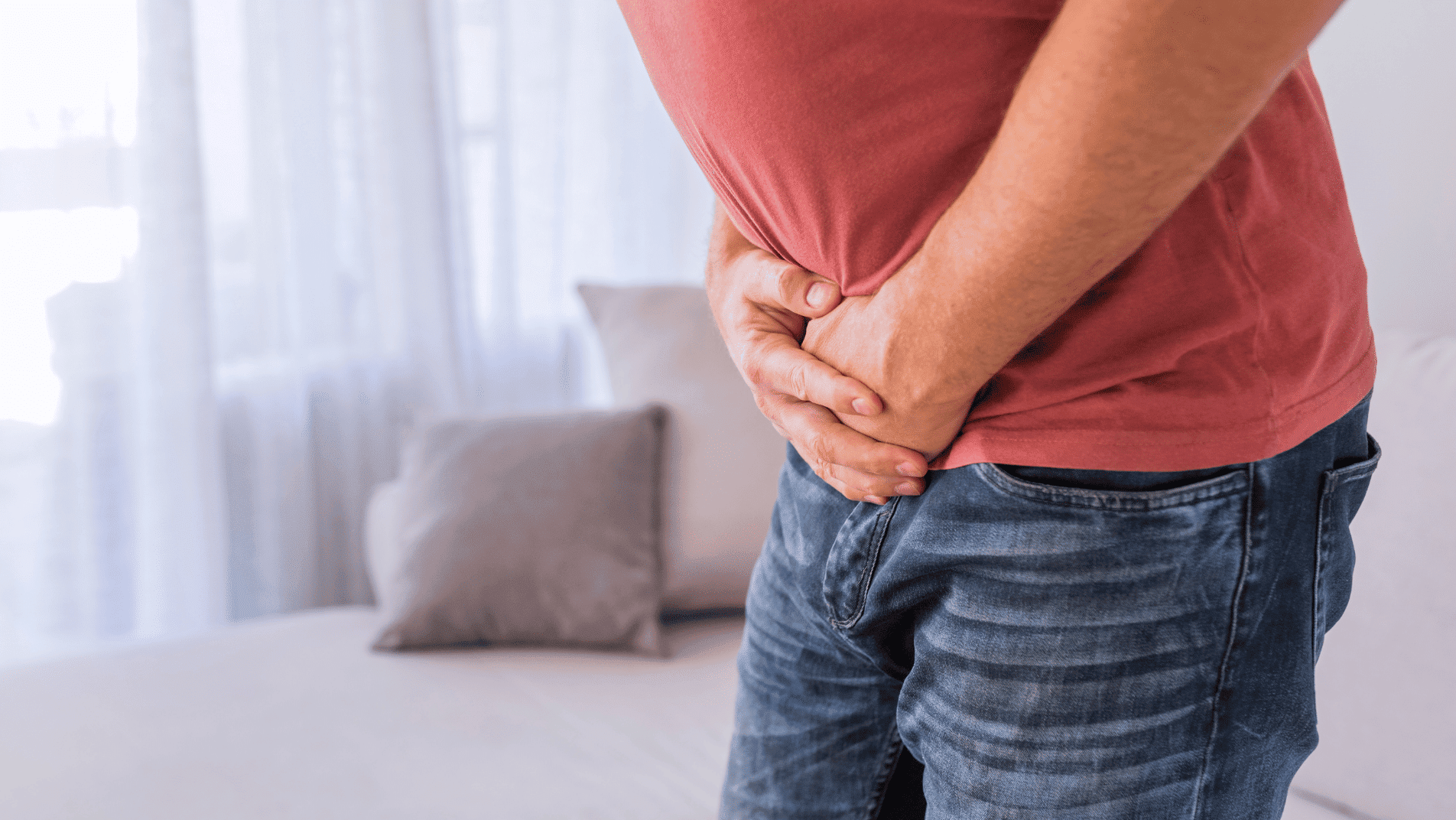

When the muscle layers lose strength, internal organs may push outward through the tissue. This condition is described as a hernia, and it can form through improper techniques and movement. Hernias typically cause direct discomfort, and seeking medical evaluation is needed for recovery. Here are some ways to prevent hernias before they occur:
Lift Properly
Lifting heavy objects the wrong way puts your abdomen at risk. When picking up a heavy or bulky item, bend your knees while keeping your back straight. Hold the object close to your body, or you might strain a muscle. Quick, twisting movements damage soft tissues, but using careful lifting habits lowers the risk of injury.
Use these techniques:
- Bend at your knees, not your waist, when picking up objects.
- Keep your back straight and engage your core muscles for support.
- Hold objects close to your body to reduce strain on your abdomen.
Manage Body Weight
Too much body weight puts ongoing strain on your abdominal muscles, and the extra fat that gathers around the stomach stretches the abdominal wall. As outward pressure builds, hernias may form more easily. Your food choices affect your daily health, and a healthy eating routine typically makes stabilization easier. Eating nutritious meals regularly supports steady body mass.
Physical activity helps burn extra calories and keeps your weight manageable. Weight loss takes time, but it will directly reduce the load on your muscles and joints. If you work with a doctor, you get step-by-step plans that fit your needs. Supporting muscles with lower weights may make daily activities easier and help protect against injury.
Practicing good posture during everyday activities is also helpful, as slouching can increase pressure on the abdomen over time. If you frequently lift heavy objects, ensure you use proper technique by bending at the knees rather than the waist, and avoid sudden, jerky movements. Prevention requires a combination of mindful habits and regular health check-ups, so staying proactive about your well-being is essential.
Strengthen Core Muscles
Core muscles create support for your abdomen and back, reducing injury risk in daily activities. Before new exercise routines, consulting a physical therapist helps you find safe and balanced options. Core exercises develop muscle, and they also help stabilize your abdominal region. Some gentle exercises you can try include:
- Gentle pelvic tilts on a mat
- Modified abdominal crunches
- Basic yoga poses for balance
Proper form during these exercises helps protect sensitive tissues and builds long-term strength.
Control Chronic Coughs
Coughing puts sudden pressure on your abdomen, making hernias more likely. When you have a lasting cough, treat the underlying cause instead of ignoring it. For allergy sufferers, antihistamines or other remedies might help control symptoms, but reach out to your doctor for the best plan.
Smoking harms lung tissue, and quitting tobacco can benefit both your breathing and your abdominal muscles. Working with a healthcare provider provides support. While you address long-lasting coughs and make healthy changes, monitor your progress.
Get Treated for Hernias
Doctors evaluate hernias through exams and imaging, offering clear treatment choices based on your needs. Surgery repairs a weakened muscle wall, and it may prevent further complications. If you notice a lump in your abdomen, have pain, or experience persistent discomfort, contact our medical clinic promptly. Reach out for skilled support and find adequate treatment.
