

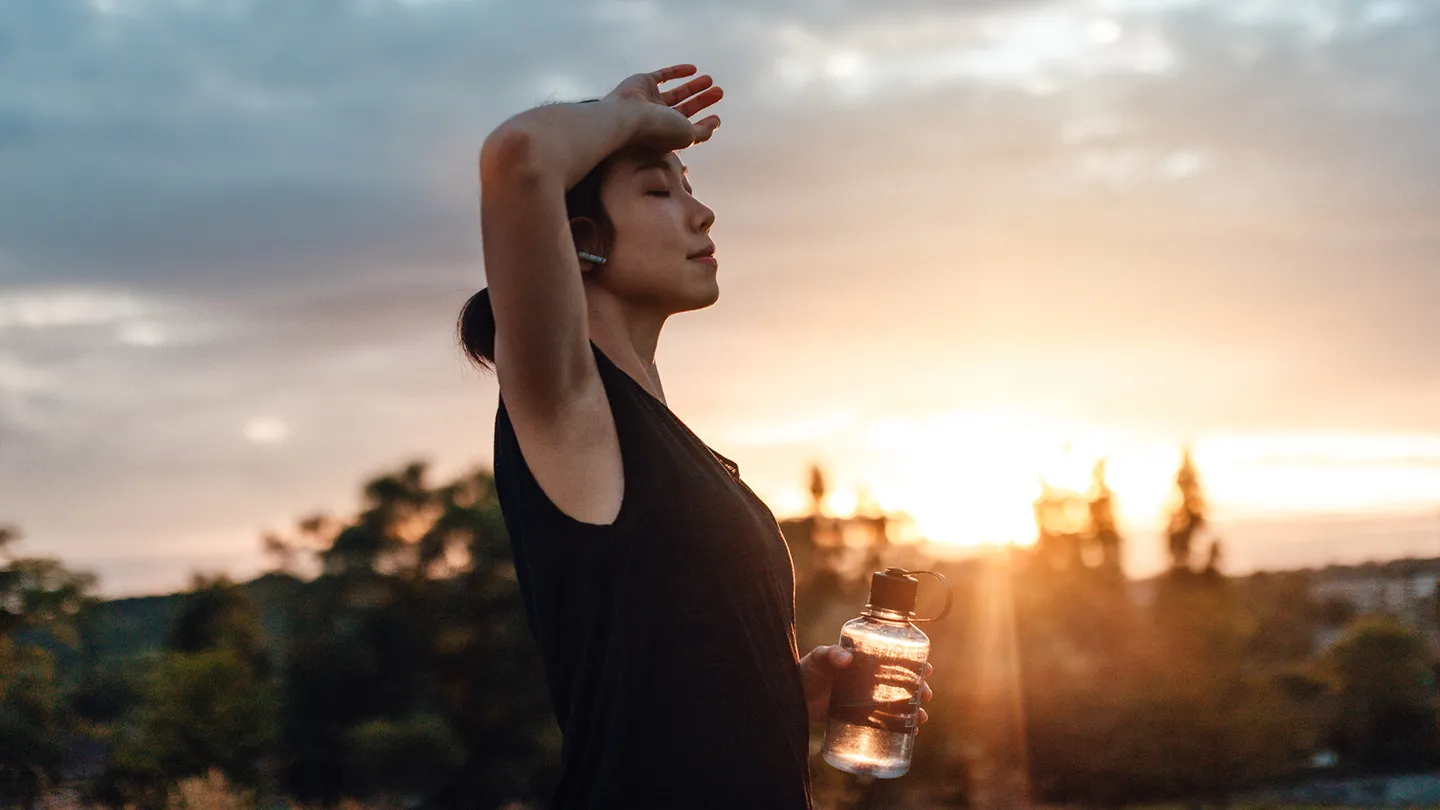

Mental health encompasses our emotional, psychological, and social well-being, and it affects how we handle stress in our daily lives. It determines how we make choices, relate to others, and navigate the typical challenges that arise during the week. Everyday stressors can accumulate and affect your overall stability; implementing concrete mental health strategies to cope with these daily occurrences helps maintain mental and emotional well-being. These strategies include practicing mindfulness, prioritizing physical wellness, engaging in hobbies, and building a reliable social support network.
Mindfulness and Relaxation
Mindfulness involves staying present in the current moment without judgment, and this practice can help manage the immediate effects of daily stress by redirecting your attention away from recurring worries. Relaxation techniques serve a similar purpose by physically slowing your heart rate and reducing muscle tension.
Try incorporating these specific methods into your mental health routine:
- Deep breathing exercises: Practice inhaling slowly for a count of four, holding the breath for four seconds, and exhaling for four seconds.
- Progressive muscle relaxation: Systematically tense and then relax different muscle groups in your body, starting from your forehead and moving down to your toes.
- Meditation: Spend a few minutes focusing on your breath and observing your thoughts. This simple practice may help calm your mind and promote a sense of control during stressful moments.
Setting aside time each day for these exercises can establish a reliable baseline for managing unexpected stressors when they occur.
Health and Wellness
Your physical health is closely connected to your psychological well-being. Maintaining a structured physical routine provides your body with the resources it needs to process daily stress. Regular physical activity can help release built-up tension, and a consistent sleep schedule gives your mind time to recover.
Focusing on specific aspects of physical health supports your mental well-being. Prioritize consistent sleep hygiene by aiming for quality sleep each night, and try to maintain the same bedtime and wake time, even on weekends. Nutritional balance is also significant. Make it a goal to consume water steadily throughout the day, and plan meals that include proteins, complex carbohydrates, and vegetables. Routine movement matters as well. Set aside time each day for moderate activity, such as brisk walking or stretching, to support your body and mind. These physical habits build resilience, and they can make it easier to handle frustrating situations or heavy workloads.
Hobbies and Social Support
Dedicating time to personal interests and maintaining connections with others are practical ways to step away from daily pressures. Hobbies provide a structured outlet for focus and creativity outside of professional or domestic obligations. Whether it is reading, gardening, or completing puzzles, dedicating time to a specific interest creates a key boundary between work and personal time. Social support is equally significant for processing daily events. Having a network of peers allows you to share experiences, and you can gain different perspectives on your current challenges. Schedule regular check-ins with friends or family, either by phone or in a brief meeting. Simply talking through a stressful day with a trusted individual can clarify your thoughts and reduce the perceived weight of the problem.
Ask About Mental Health Today
Managing daily stress requires consistent effort and the application of practical tools. There are times when self-directed strategies may not be sufficient for managing your specific situation. Reaching out to a mental health professional helps provide personalized guidance, or you can speak with your primary care physician to explore your options. Professionals are trained to offer structured frameworks and specialized support tailored to your specific circumstances. Take the time to ask about mental health resources available in your community today.
