

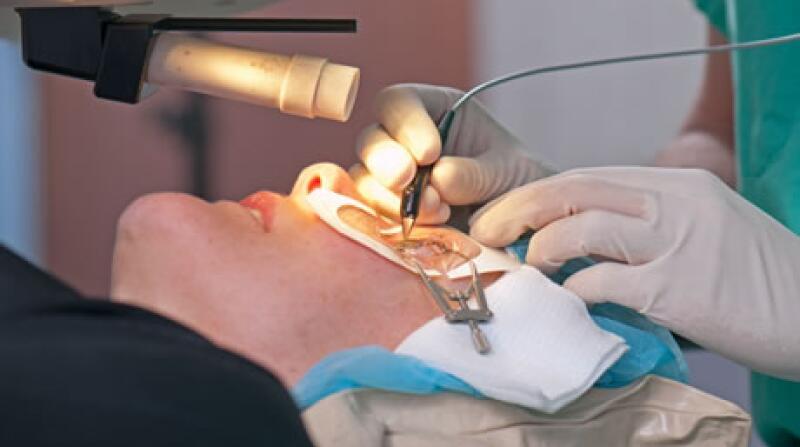

LASIK is a type of eye surgery that addresses a variety of vision issues, and the procedure reshapes the cornea. Doctors use this surgical technique to improve how you see, aiming to refine how light rays enter and focus inside your eyes. When the cornea’s shape changes, light lands more accurately on your retina. Here is more information on this procedure:
Reduces Reliance on Glasses
Individuals seek LASIK surgery to reduce their need for eyeglasses or contact lenses. While results vary, individuals typically experience less reliance on corrective lenses after the procedure. The surgery modifies the shape of your cornea, which may change how clearly you see and make daily life easier.
Daily tasks may become more convenient. Glasses slip or fog up during sports, making them uncomfortable. Because of this, many athletes look for alternatives to traditional lenses and decide to undergo vision correction. The procedure creates fewer barriers to participating in activities, and you may notice that simple tasks become less complicated.
Corrects Refractive Errors
Doctors use LASIK to correct refractive errors such as myopia, hyperopia, and astigmatism. When treating myopia, the surgeon flattens a steep cornea, while hyperopia is managed by steepening a flat cornea. Astigmatism requires an approach where the surgeon smooths out the irregular shape of the cornea, and each step is planned for individual needs.
Because myopia makes distant objects hard to see, patients may have trouble reading road signs or seeing things far away. The laser removes very thin layers of tissue from the cornea, which helps bring light into better focus. This precise removal changes how the eye handles incoming light, helping it reach the retina directly, where visual messages are processed.
Patients may bring up questions about astigmatism. Since this condition distorts vision at all distances, it impacts everyday tasks like reading or driving. The surgeon uses mapping technology to capture the exact shape of your eye, and the laser is guided very carefully to smooth the uneven surface and improve your field of vision.
Uses a Femtosecond Laser
A key part of LASIK involves a femtosecond laser, which creates a very thin, hinged flap in your cornea. Since the femtosecond laser operates based on precise computer guidance, the margin for error is typically low, and the process is highly accurate. The laser produces rapid pulses to separate corneal layers, preparing your eye for the next step in the surgery.
Here is a brief overview of the laser process:
- The doctor applies numbing drops.
- The laser creates a thin flap.
- The surgeon folds the flap back.
- The excimer laser reshapes the tissue.
Restores Vision
During LASIK, your surgeon tailors the reshaping process to your unique vision profile. Each eye is different, so results will differ based on your initial prescription and healing response. After the laser completes its work, your eye starts to heal, and you might observe changes in your vision within hours or days. Healing rates vary based on individual factors, which is why your doctor will provide guidance on what you may expect.
Schedule LASIK Surgery Today
An in-depth consultation offers you details about your LASIK candidacy, as eye health and corneal thickness are both reviewed. Because everyone’s vision needs and eye shapes are different, it is necessary to meet with an experienced eye doctor before making any decisions regarding surgery. Take the first step toward clearer sight and schedule your appointment so a medical team can answer your questions and guide you through the process.
