

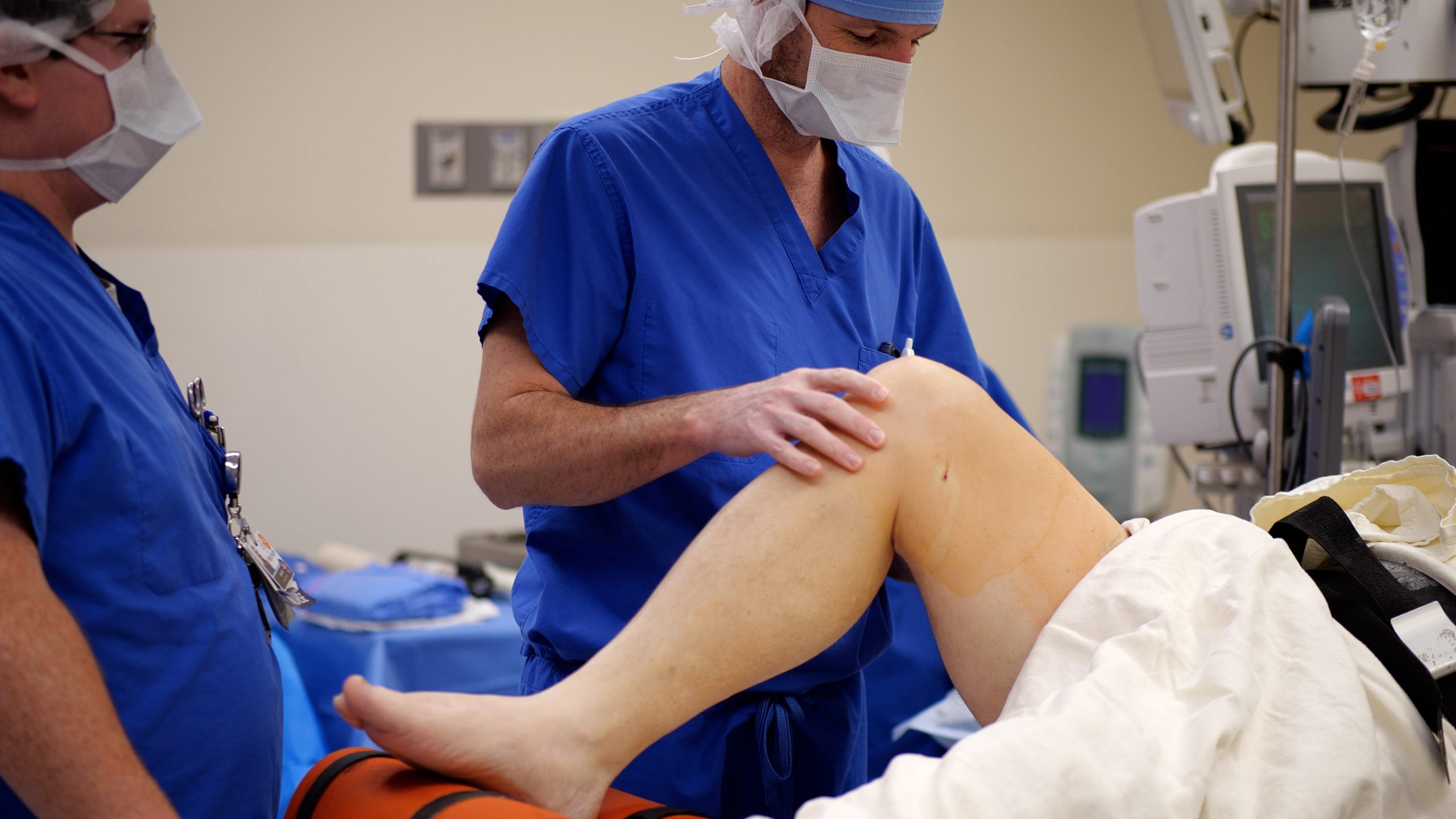

Total knee replacement replaces the entire knee joint, and partial knee replacement addresses specific areas of damage. Causes for knee replacement include rheumatoid arthritis, osteonecrosis, and a bone tumor in the knee joint. Cartilage deterioration can lead to the replacement of damaged cartilage. Because each case is different, your surgery is individual.
Preparations Before the Procedure
Doctors will assess your physical readiness. Medical tests establish your baseline, and they guide your care plan. An electrocardiogram checks your heart health. Tests help your care team monitor for concerns, and they make any needed adjustments before knee replacement surgery. Sometimes additional imaging, such as a CT scan, is needed to provide more information. Imaging provides detailed joint information, but doctors also need a physical exam and review of your health history for risks. If you have other medical conditions, your team might consult with your primary care provider. Before surgery, ask questions about anesthesia, surgical steps, and recovery to stay informed at every stage. Because your preparation allows the surgical team to address your unique needs, answer all of their questions.
Modifications for Your Lifestyle
Safety equipment reduces household falls, and thoughtful changes support safety and comfort after surgery. Ask a friend or family member to assist with daily activities during the first week, since additional support helps. Arrange for groceries, meal preparation, and prescription medication pickup ahead of time, so you can focus on healing rather than chores. If you have pets, have someone help care for them. Relieve added physical demands on your body. Because recovery takes several weeks, prepare your house and organize your living space in advance. Planning ahead creates a safe environment, and it supports a smoother recovery process tailored to your unique needs.
Indicators of Potential Complications.
Postoperative care requires close monitoring, so recognize early warning signs. Pain that does not improve with medication should be reported to your care team. Persistent or increasing swelling in your knee, calf, or foot may require evaluation by your medical provider. If you have a fever, notify your healthcare provider. Chest pain, shortness of breath, or sudden bleeding at your incision site requires immediate medical attention. Signs of infection at your surgical site need prompt attention.
If the incision site changes color or smells odd, an infection may be present. Any sign of infection needs prompt treatment. Paying attention to these symptoms allows for early intervention, and this protects your new knee joint and your overall health. Keep a list of all symptoms and report any new changes. Share concerns, even if you are unsure they are related to your surgery. Reaching out to your care team with questions or concerns helps address any complications promptly and supports a more comfortable recovery.
Book Knee Replacement Today
Thorough preparation supports a systematic recovery. Gather your current health records, and contact your designated healthcare team. Review these specific medical guidelines now. Talk with your orthopedic surgeon and ask questions about your personal recovery plan. Before you schedule the procedure, list your medical questions.
