

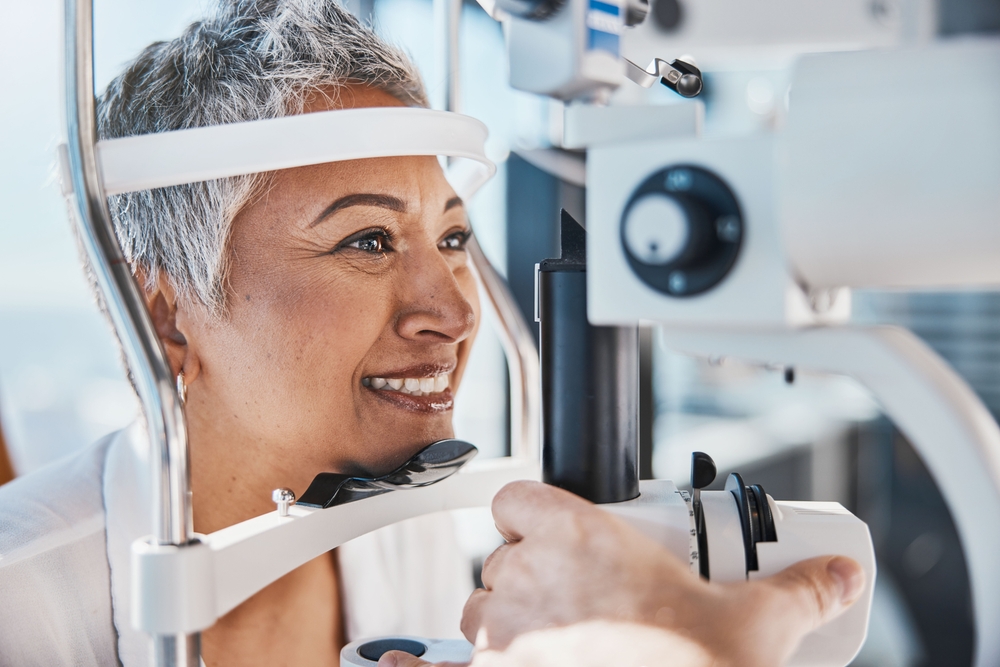

An eye exam assesses changes in vision and also provides key insight into overall health. It can help detect early signs of certain medical conditions that may not yet be causing obvious symptoms. Here is more information on the benefits of regular eye exams for overall health:
Protecting Vision Early
Eye care professionals recommend regular screenings to detect ocular diseases in their initial stages. A prompt diagnosis allows doctors to implement effective treatments, and patients often retain their sight for much longer. When individuals schedule an eye exam, they actively protect their visual health through early detection. Here are some of the screenings that are included in comprehensive screenings:
- Glaucoma screening: Tonometry measures internal eye pressure. Elevated pressure indicates a risk of glaucoma, and doctors can prescribe drops to prevent irreversible nerve damage.
- Cataract identification: A slit-lamp microscope highlights cloudy areas on the lens. Doctors track these changes over time, and they recommend surgery when the cataract impairs daily activities.
- Macular degeneration tracking: Aging often affects the central retina. Specialists look for specific deposits during an eye checkup and suggest dietary adjustments to slow disease progression.
Detecting these conditions early makes a massive difference in long-term visual outcomes. Doctors rely on these specific tests to establish a baseline, and they compare future results against these initial records.
Revealing Broader Health Clues
The eye acts as a unique window into the human vascular system. This anatomical feature allows specialists to observe blood vessels directly, and they often detect signs of widespread medical issues. When doctors identify abnormalities in the retinal blood vessels, they routinely refer patients to primary care physicians for further testing.
Diabetic retinopathy is a prime indicator of unmanaged blood sugar levels. High glucose damages the fragile capillaries in the retina, leading to small bleeds that an eye exam can easily detect. If a patient has undiagnosed diabetes, an ophthalmologist may be the first medical professional to detect it.
Prioritizing Routine Exams
Preventive medicine relies heavily on consistent data collection and routine physical assessments. An annual eye exam provides the necessary data, and physicians use it to predict future health trajectories. Here’s what patients can expect:
- Updating prescriptions: Vision changes happen gradually over several months or years. Doctors perform refraction tests to update corrective lenses, which helps prevent daily eye strain.
- Monitoring UV damage: Sun exposure harms the delicate tissues of the cornea and retina. An ophthalmologist looks for signs of photokeratitis and advises patients on proper UV-blocking eyewear.
- Evaluating dry eyes: Tear production naturally decreases with age and extended screen time. An eye checkup evaluates tear film quality, and doctors may recommend artificial tears to maintain surface lubrication.
These preventive steps form the foundation of a proactive healthcare strategy. A qualified specialist anticipates potential issues before they cause physical harm, and patients maintain functional vision as a result.
Supporting Daily Life
Optimal vision directly impacts a person’s ability to perform routine daily tasks safely. Driving a vehicle requires excellent depth perception, and a routine eye exam confirms that a driver meets legal visual standards. When a person possesses clear sight, they can navigate their environment independently.
Occupational performance also depends heavily on visual comfort and sustained focus. Office workers stare at digital screens for hours, and this habit often leads to digital eye strain or blurred vision. If an employee receives specialized computer glasses from their doctor, they can generally experience increased productivity and fewer headaches.
Schedule Your Eye Exam Appointment
A routine eye exam offers a fundamental defense against visual decline and systemic illness. Doctors use these appointments to update prescriptions, and they screen for chronic conditions such as glaucoma and diabetes. Contact a qualified eye specialist near you to schedule your eye exam appointment today.
