

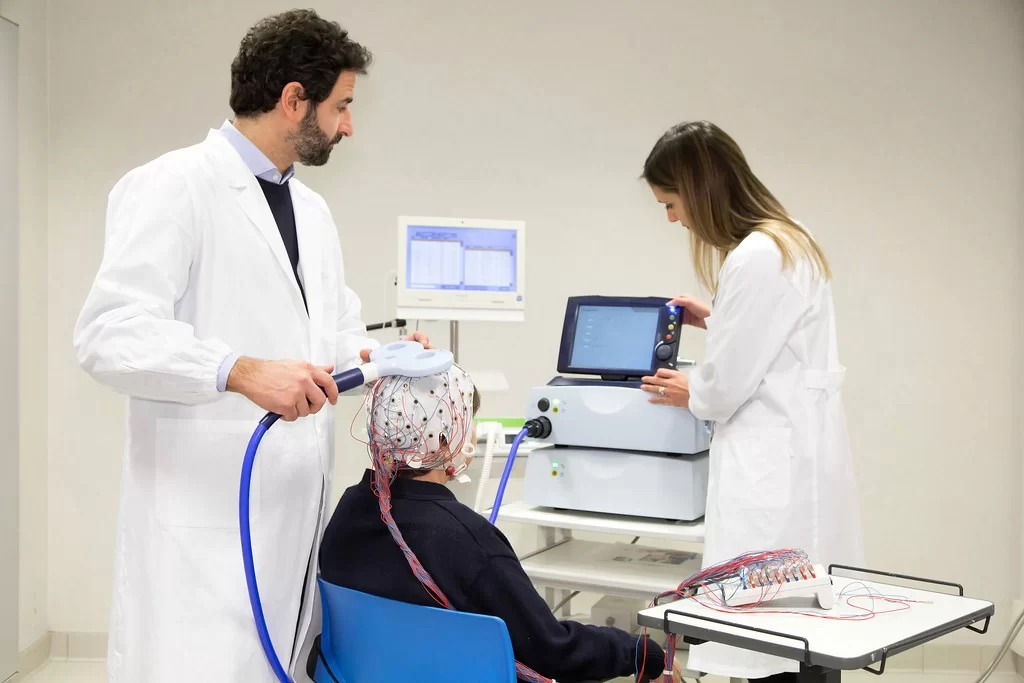

Transcranial magnetic stimulation (TMS) is a noninvasive treatment option that may be recommended for individuals seeking support for certain mental health conditions. Understanding the patient experience can help set realistic expectations and make it easier to prepare for each stage of care. Here is what to know about the patient experience in TMS therapy:
How Does TMS Treatment Begin?
The TMS treatment begins with a comprehensive medical evaluation. A healthcare provider reviews the patient’s medical history, and they check the patient’s current symptoms. This initial assessment helps clinicians determine if the patient is a suitable candidate for the therapy.
During the consultation, the doctor maps the specific areas of the brain. They use specialized equipment to determine the correct placement for the magnetic coil, and they calculate the exact dose of magnetic energy patients need. This mapping session sets the foundation for upcoming visits. Providers will outline the expected timeline, and they will answer any questions patients have about the procedure.
How Do Patients Prepare?
Patients follow a consistent routine to prepare for their daily visits. There are a few basic steps to follow before patients arrive at the clinic. Patients generally complete the following tasks to prepare for their visit:
- Clothing choices: Wear comfortable clothing that allows them to sit back and relax in the treatment chair.
- Hair accessories: Remove metal hair clips or heavy jewelry that may interfere with the magnetic coil.
- Medication schedules: Continue taking prescribed medications unless the doctor instructs otherwise.
These actions help the clinical staff maintain a safe environment. Patients should arrive a few minutes early for each appointment.
What Happens During TMS?
The treatment room contains a specialized chair similar to a dentist’s chair. Patients will take their seats, and the technician will place the magnetic coil against their heads. The staff uses the measurements from the mapping session to position the device correctly. They provide earplugs to protect hearing from the noise.
Once the machine starts, patients will hear a clicking sound. The machine delivers magnetic pulses, and individuals will feel a tapping sensation on their scalps. TMS treatment does not cause pain, though some patients report mild discomfort initially. The technician remains in the room, and they can adjust the settings if patients experience discomfort. Patients can resume normal daily activities immediately after the session ends.
How Do Providers Adjust Treatment?
Clinical progress typically occurs gradually over several weeks. Doctors monitor symptoms regularly, and they track any changes in mood and energy levels. Patients often experience mild side effects during the first week of TMS treatment. The most common side effects include the following temporary issues:
- Scalp discomfort: You may feel a mild headache or tenderness where the coil rested.
- Muscle twitching: Some patients experience slight facial twitching during the pulse delivery.
- General fatigue: A feeling of tiredness can occur after the first few sessions.
These side effects usually fade as the body adjusts to the treatment. Clinicians can provide over-the-counter pain relief recommendations to manage these minor symptoms. The provider will schedule periodic check-ins to discuss your response to the therapy. They will review your progress, and they may adjust the treatment plan if necessary.
Learn More About TMS Today
TMS is a clinical option for individuals managing depression. The process involves a structured routine, and it requires consistent attendance over several weeks. Patients undergo treatment in a safe environment while receiving noninvasive brain stimulation. Contact a local psychiatric provider to schedule your TMS appointment and determine whether this treatment aligns with your clinical needs today.
