

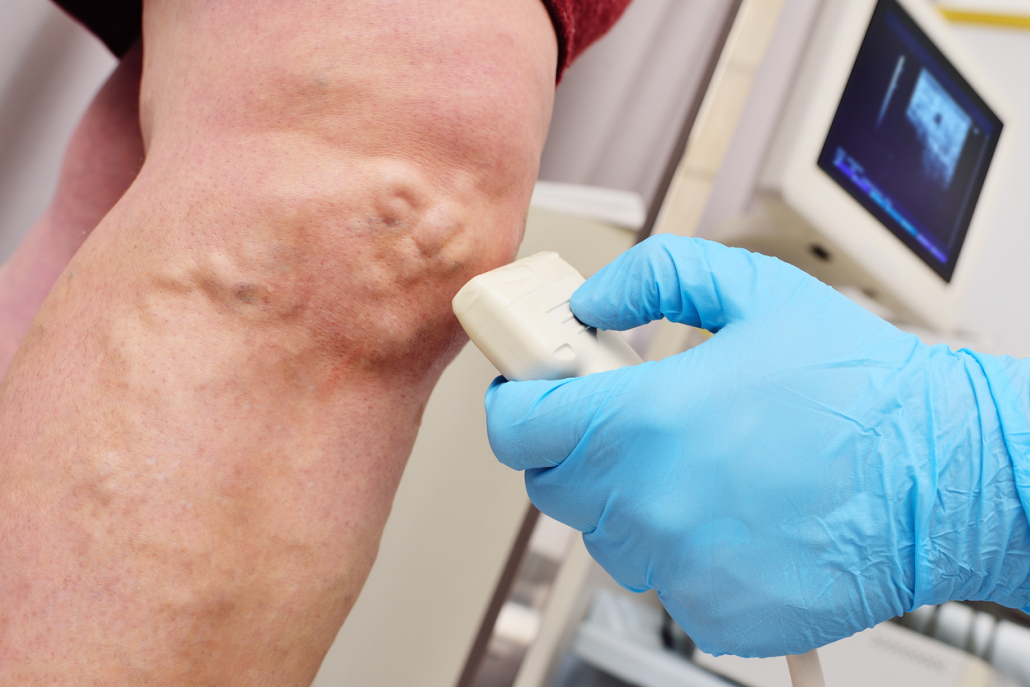

Vein troubles cause physical discomfort. Because vein issues differ, a vein surgeon will tailor your care. You will learn about different medical evaluations, and you can discuss treatment options. The clinical process is straightforward.
Evaluation of Vascular Conditions
A vein surgeon starts by reviewing your vascular conditions. They ask about your overall health, and they examine your affected legs. If you experience swelling, the doctor notes this and checks for other symptoms like skin discoloration, varicose veins, or tenderness. This evaluation guides the next steps in the process. The vein surgeon looks for specific physical signs, including changes in skin texture or color, as well as any ulcers or sores that may have developed. They check your skin for changes, and they measure your legs to detect fluid retention or differences in size. If physical discomfort disrupts your day, tell your doctor. They will record the severity and discuss how the symptoms affect your daily activities. The medical staff respects your privacy and explains each step before proceeding.
Administration of Vascular Lab Testing
Your next step involves vascular lab testing, which provides valuable insight into your vascular health. The technician moves a device across your skin, and they focus on areas of concern. After the ultrasound, the technician saves images, and the surgeon reviews the results for blood flow concerns. Lab testing provides diagnostic data, and your surgeon observes the function of your veins without invasive steps. The medical team uses the scan to find vascular conditions that may not appear during a physical exam. Because surface veins provide only part of the picture, the team uses testing to map the broader area and guide planning. Sometimes, your medical team performs additional vascular lab tests to further assess your condition. They may measure your blood pressure. They could also continue using ultrasound to obtain more information.
Creation of Treatment Plans
The surgeon creates a treatment plan based on your specific needs. They review and explain the ultrasound results, outlining what these findings may mean for your symptoms. You will learn about your options in clear terms, and your provider will include all your options. They may discuss ways to address circulation, swelling, or discomfort. If conservative methods like compression stockings or lifestyle changes are not successful, the doctor may discuss minimally invasive procedures.
Your surgeon will explain each option, and they will outline possible steps, follow-up, and precautions. You can ask questions and discuss any concerns about proposed care, including what to expect during and after your selected treatment. The team shares information on the process and recovery. While general advice is given, you will also receive specific instruction on visits, activities, and aftercare. Written instructions and guidance are provided, so you know how to follow your care plan and stay informed. Your doctor will individualize your treatment plan.
Consult a Vein Surgeon Today
A thorough consultation clarifies your vascular condition and outlines the next steps. When ready, contact a clinic to take control of your health. If you need help getting started on your care plan, reach out. Your team is available. Do not ignore symptoms; expert care is available.
