


Menstrual cramps, medically known as dysmenorrhea, affect millions of women every month. The pain can range from mild discomfort to severe cramps that interfere with daily activities, work, and sleep. While many people rely on over-the-counter pain medications, there are also several natural ways to relieve menstrual cramps that can provide effective relief without medication.
Menstrual cramps occur when the uterus contracts to shed its lining during a period. These contractions are triggered by hormone-like substances called prostaglandins. Higher levels of prostaglandins are often associated with stronger and more painful cramps.
Fortunately, simple lifestyle adjustments and natural remedies can help reduce inflammation, relax muscles, and improve circulation, all of which may ease menstrual pain.
Why Do Menstrual Cramps Happen?
During menstruation, the uterus contracts to help expel its lining. These contractions can temporarily reduce blood flow to the uterine muscles, leading to pain.
Common Symptoms of Menstrual Cramps
- Throbbing or cramping pain in the lower abdomen
- Lower back pain
- Pain that radiates to the thighs
- Nausea or headaches
- Fatigue and general discomfort
While mild cramps are normal, severe pain could indicate conditions such as endometriosis or fibroids and should be evaluated by a healthcare provider.
1. Apply Heat to the Lower Abdomen
Heat therapy is one of the most effective natural remedies for menstrual cramps.
How Heat Helps
Heat relaxes the uterine muscles and improves blood circulation, which can reduce pain and tension.
Ways to Use Heat Therapy
- Use a heating pad or hot water bottle on the lower abdomen
- Take a warm bath or shower
- Use heat patches designed for menstrual pain relief
Applying heat for 15–20 minutes at a time can significantly reduce cramp intensity.
2. Gentle Exercise and Movement
Although exercising during your period may seem uncomfortable, light physical activity can actually help relieve cramps.
Benefits of Exercise During Menstruation
- Improves blood flow
- Releases endorphins (natural pain relievers)
- Reduces inflammation
- Helps relax pelvic muscles
Recommended Activities
- Walking
- Stretching
- Yoga
- Light cycling
Even 20–30 minutes of gentle exercise can make a noticeable difference in pain levels.
3. Try Herbal Teas
Certain herbal teas have natural anti-inflammatory and muscle-relaxing properties that may help reduce menstrual discomfort.
Effective Herbal Teas for Period Pain
Ginger Tea
- Helps reduce inflammation
- May decrease pain intensity
Chamomile Tea
- Promotes relaxation
- Helps reduce muscle spasms
Peppermint Tea
- Soothes digestive discomfort
- Can help ease bloating and cramps
Drinking warm herbal tea can also provide comfort and hydration during your period.
4. Improve Your Diet
Diet plays an important role in managing menstrual pain. Some foods can worsen inflammation, while others help reduce it.
Foods That May Help Reduce Cramps
- Leafy greens (spinach, kale)
- Bananas and avocados (rich in magnesium)
- Fatty fish like salmon (rich in omega-3 fatty acids)
- Nuts and seeds
- Whole grains
Foods to Limit During Your Period
- Highly processed foods
- Excess caffeine
- Sugary snacks
- Salty foods
Eating a balanced diet can help regulate hormones and reduce prostaglandin production.
5. Massage Therapy
A gentle abdominal massage can help relax the muscles in the uterus and surrounding areas.
How to Perform a Self-Massage
- Use circular motions on the lower abdomen
- Apply light to moderate pressure
- Use warm oils such as coconut or lavender oil
Massaging for 5–10 minutes can reduce muscle tension and improve circulation.
6. Stay Hydrated
Dehydration can worsen bloating and muscle cramps during menstruation.
Drinking enough water helps:
- Reduce bloating
- Improve circulation
- Support muscle relaxation
Warm water or herbal teas may provide additional comfort during painful cramps.
7. Practice Relaxation Techniques
Stress can increase muscle tension and worsen menstrual pain. Relaxation techniques may help reduce both stress and cramps.
Helpful Relaxation Methods
- Deep breathing exercises
- Meditation
- Gentle stretching
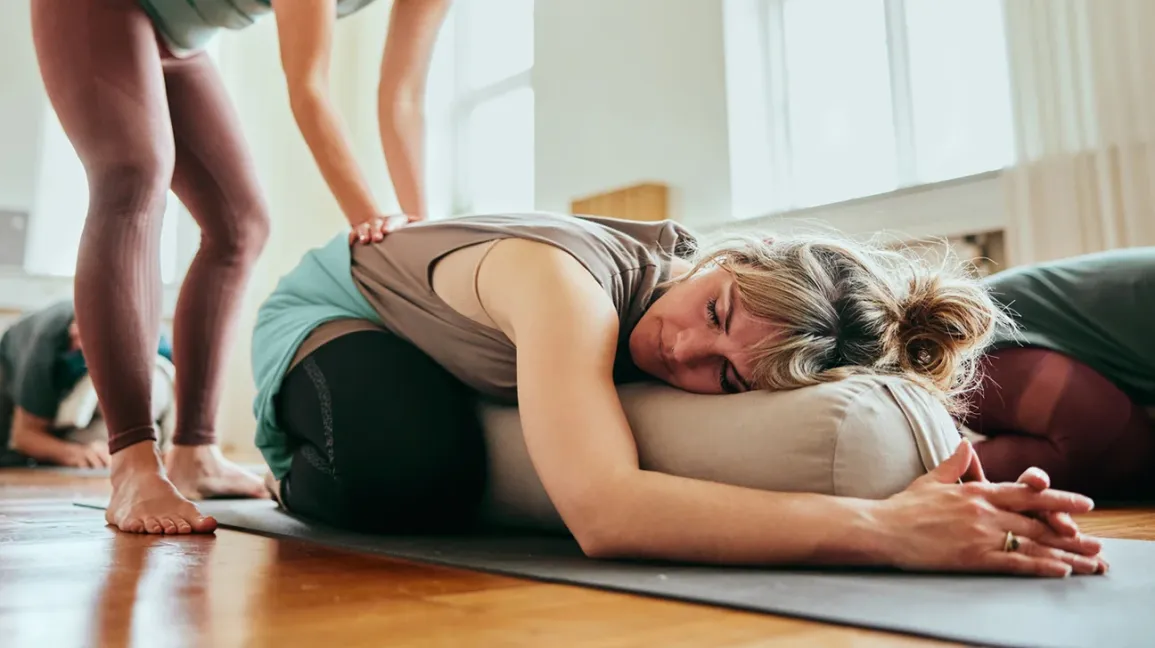
- Yoga designed for menstrual relief
These techniques help calm the nervous system and reduce overall discomfort.
8. Get Enough Rest
Your body works harder during menstruation, so getting adequate rest is essential.
Tips for Better Rest During Your Period
- Maintain a consistent sleep schedule
- Use comfortable sleeping positions
- Reduce screen time before bed
- Practice relaxation techniques before sleep
Good sleep supports hormone balance and helps your body recover.
When Should You See a Doctor?
Natural remedies are helpful for many women, but severe menstrual pain may require medical attention.
Consult a healthcare professional if:
- Pain prevents you from performing daily activities
- Cramps worsen over time
- Period pain is accompanied by heavy bleeding
- Pain lasts longer than a few days
Underlying conditions such as endometriosis or fibroids may require medical treatment.
Preventing Severe Menstrual Cramps
While menstrual cramps cannot always be avoided, certain habits can help reduce their severity.
Prevention Tips
- Maintain a balanced diet
- Exercise regularly
- Manage stress levels
- Stay hydrated
- Get adequate sleep
These lifestyle habits can improve overall reproductive health and reduce the likelihood of severe cramps.
FAQs
How long do menstrual cramps usually last?
Most cramps begin shortly before or at the start of menstruation and last between 1–3 days.
Are natural remedies effective for period pain?
Yes, many natural methods such as heat therapy, exercise, and dietary changes can significantly reduce menstrual discomfort.
Can dehydration worsen cramps?
Yes, dehydration can increase muscle tension and make cramps feel more intense.
Conclusion
Learning the best ways to relieve menstrual cramps naturally can make a significant difference in managing monthly discomfort. Simple strategies like heat therapy, gentle exercise, proper hydration, and a healthy diet can provide effective relief for many women.
If your symptoms become severe or persistent, consulting a healthcare provider can help identify the underlying cause and ensure you receive appropriate treatment.
