

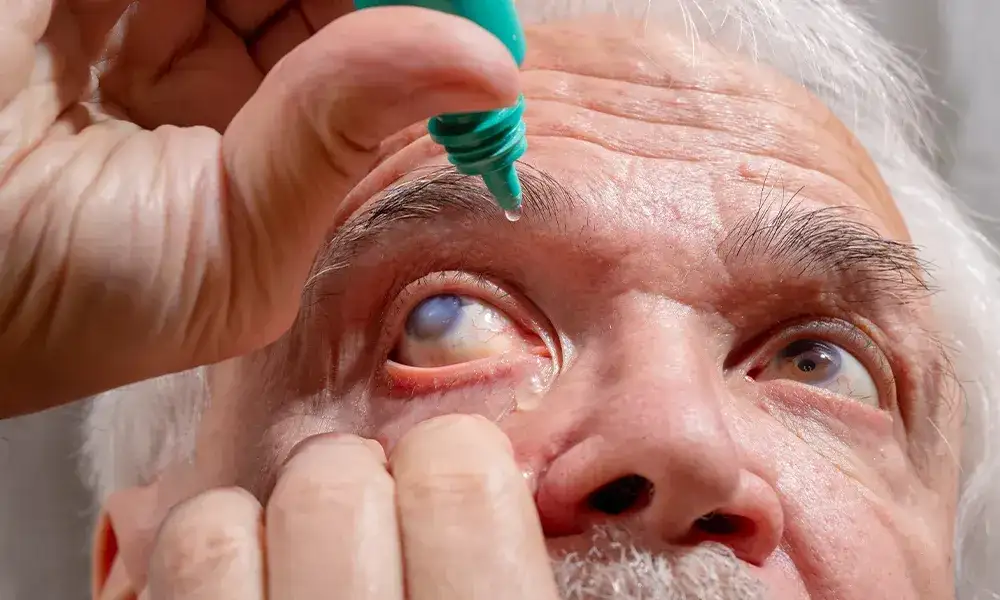

The body goes through natural physical changes as it ages, and the eyes experience these gradual shifts as well. One common condition linked to getting older is glaucoma. Maintaining clear vision requires regular visits with an ophthalmologist and a solid understanding of how time impacts ocular health. Here’s information about the connection between aging and glaucoma:
Understanding Aging and Eye Health
Glaucoma refers to a group of eye conditions that damage the optic nerve, which serves as the primary pathway for visual information between the eye and the brain. To maintain proper function, the eye continuously produces a clear fluid; this is known as aqueous humor. Under normal conditions, this fluid drains through a specialized anatomical angle, helping to regulate intraocular pressure.
With advancing age, the efficiency of this drainage system may decline. The drainage angle sometimes becomes less effective or partially obstructed, and this leads to fluid accumulation. This buildup increases intraocular pressure, which can place stress on the optic nerve and contribute to structural damage over time. Because these changes typically develop gradually, age is a significant risk factor in the progression of glaucoma.
Identifying Key Risk Factors
While advancing age is a significant factor for glaucoma, several other elements shape your overall risk profile. Genetics plays a substantial role in your ocular health. Having a close family member with optic nerve issues means you may need to begin monitoring your vision earlier in life. Certain physical characteristics and medical conditions also increase the likelihood of drainage problems; these include:
- A personal history of high blood pressure or diabetes.
- Severe nearsightedness or farsightedness.
- Previous physical injuries or trauma to the eye.
- Long-term use of corticosteroid medications.
Prioritizing Regular Eye Exams
Elevated eye pressure rarely displays early warning signs, so you may not experience physical symptoms when a drainage problem first starts. Routine comprehensive eye exams are a valuable tool for identifying glaucoma early, especially as you age. During these appointments, an eye care specialist measures your internal eye pressure using a quick, painless test. They also dilate your pupils to closely examine the shape and color of your optic nerve. In many cases, doctors perform a visual field test; this helps check your peripheral vision. Catching microscopic changes early gives your medical team time to implement management strategies before significant damage occurs.
Implementing Practical Maintenance Strategies
Taking an active role in your daily routine can support your visual health as you age. Regular cardiovascular exercise helps maintain appropriate blood flow to your optic nerve. You should also wear proper protective eyewear when working with heavy tools; this can prevent direct trauma to the eye.
Follow your primary care physician’s guidance regarding daily blood pressure management to keep your blood vessels healthy. Managing your diet provides another layer of support, so you may choose to:
- Eat leafy green vegetables rich in key vitamins.
- Incorporate foods high in omega-3 fatty acids into your meals.
- Drink plenty of water in small amounts throughout the day.
Visit a Glaucoma Specialist
Understanding the connection between glaucoma and aging enables you to better monitor your eye health. Advancing age changes the internal pressure dynamics of your eyes; this makes proactive care a key component of long-term vision management. Regular comprehensive eye examinations, including intraocular pressure measurements and optic nerve evaluations, can support early detection and timely intervention. Schedule a comprehensive eye examination with a local eye care professional today to establish your baseline health and protect your sight.
