

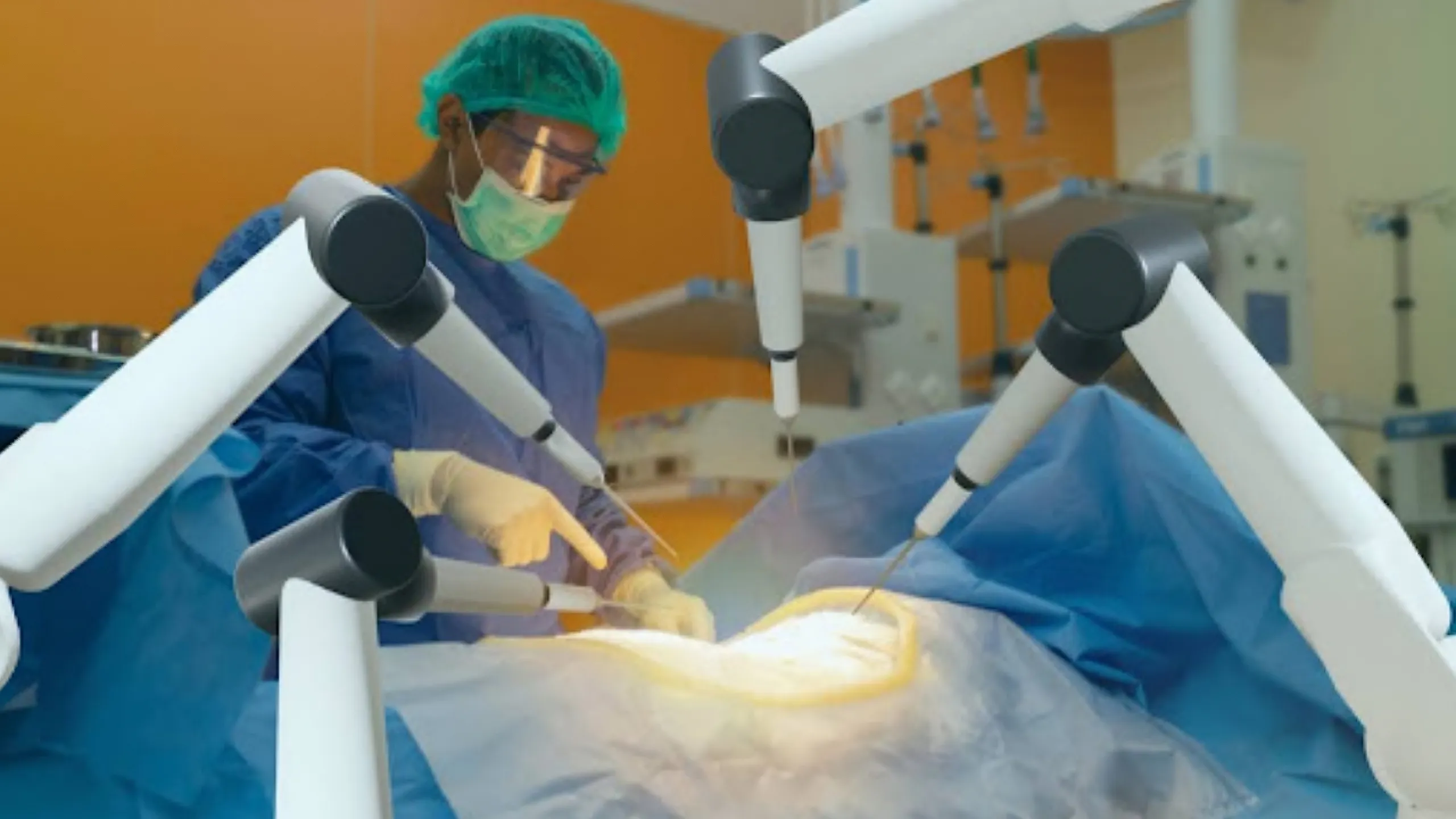

Medical technology advances to offer patients a variety of options for their upcoming surgical treatments in modern clinics. When adults require a procedure for a hernia repair, doctors may utilize advanced robotic surgical systems. A surgeon sits at a separate control console, and mechanical arms perform the actual physical work inside the body. Here is more information about robotic surgery for hernia repair:
Customized Approach
Each person has a unique internal anatomy, so doctors tailor the surgical plan accordingly for the individual. Because the mechanical robotic arms bend easily, they reach difficult internal spots very safely without damaging the surrounding muscles. The machine mimics the physical movements of a human hand with a high degree of accuracy.
Less Invasive Techniques
Traditional open surgery requires a large abdominal incision, but robotic methods need only a few small cuts. These minimal incisions lead to less blood loss during the duration of the medical procedure in the operating room. Since the exterior cuts stay extremely small, recovering individuals heal at a much faster rate after leaving the clinic. The healing process typically involves a lower level of daily physical pain.
While scars are an inevitable result for everyone, robotic surgery creates very minimal visible permanent marks on the skin. The doctor inserts metal tools into the body, and a digital camera provides a clear view of the area. This high-definition video feed helps the operating medical team throughout the operation. They view the abdominal wall in three-dimensional detail directly from the computer monitor in real-time.
Recovering post-operative patients typically return to their homes on the exact same day of their scheduled procedure. Hospital staff monitors the patient for a few hours, and then the person leaves the outpatient medical facility. Working individuals may appreciate a very brief hospital stay for their routine personal health needs. If no unexpected medical complications suddenly arise, the natural recovery process continues at home.
Controlled Accuracy
Robotic hernia repair offers visual detail that supports accurate surgical actions. A console interface gives the surgeon direct oversight, yet three-dimensional imaging provides additional information. Because the robotic system filters out natural hand tremors, the device allows for stable and steady performance. The doctor remains in full control, and for many, this leads to safer navigation around delicate structures.
In practice, the following factors support accuracy in robotic hernia repair:
- Three-dimensional, high-resolution imaging
- Advanced instruments with higher dexterity than the human hand
- Real-time motion scaling for precise adjustments
Modern Mesh Materials
Patients who undergo robotic hernia repair benefit from progress in the materials used for surgical mesh. The introduction of lighter, flexible meshes and absorbable options may reduce the bulkiness of older materials. Some meshes integrate with the body, and others are designed for easier long-term monitoring. Using the robotic platform, surgeons position the mesh accurately, and this supports long-lasting repairs.
Each type of mesh comes with its own characteristics, so doctors discuss these choices with their patients. These conversations can involve questions about allergies, post-surgical activity, and the need for future interventions. With clear communication, healthcare teams guide patients through available options.
Schedule Robotic Surgery Hernia Repair
Taking the next step involves thoughtful preparation and reaching out for professional guidance. Discuss robotic hernia surgery with your healthcare provider, as a one-on-one evaluation offers an ideal pathway to understanding your treatment options. If you have questions or need reassurance, your medical team is prepared to support you through every stage. Contact a surgery clinic today to schedule a consultation and learn more about robotic hernia repair.
