

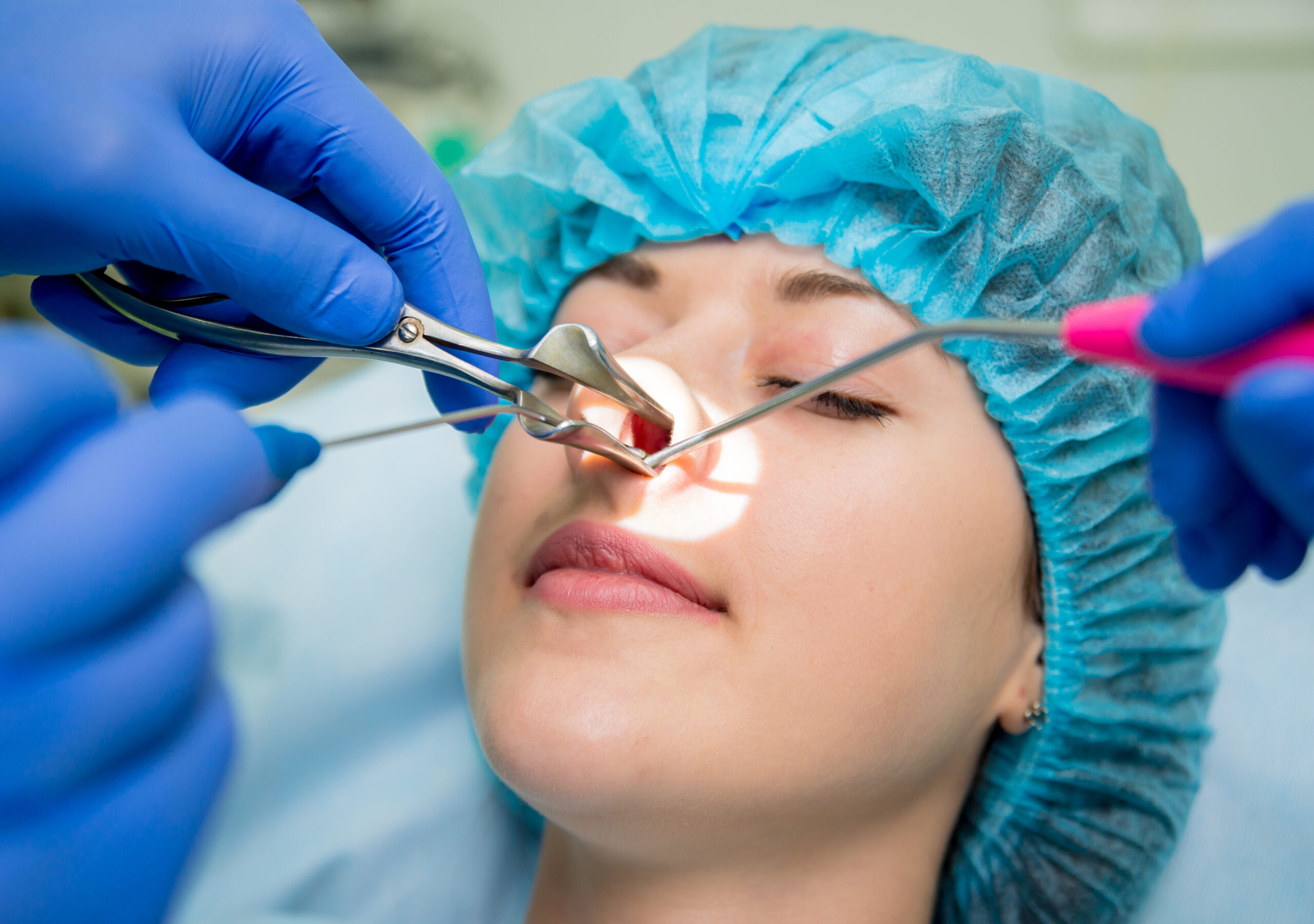

Sinus surgery includes a group of procedures that address severe sinus conditions when other treatments do not produce relief. Medications, nasal sprays, and rinses are common first steps, but ongoing infections, blockages, or structural issues sometimes call for a surgical approach. A surgeon evaluates the sinuses, the nasal passages, and the surrounding tissues before recommending a specific method. There are several common procedures that address sinus issues with various results.
Functional Endoscopic Surgery
Functional endoscopic sinus surgery, often shortened to FESS, uses a thin tube with a small camera called an endoscope. When a surgeon inserts the endoscope through the nostril, the camera sends images to a monitor, and the surgeon removes tissue or bone that blocks the sinus openings. The goal is to widen drainage paths within the nasal passages.
FESS is typically used for chronic sinusitis, nasal polyps, or fungal infections that resist medication. The procedure widens the natural openings between the sinuses and the nasal cavity, so mucus drains more freely. Recovery times vary from person to person, and a surgeon reviews the recovery plan during a follow-up visit.
Balloon Sinuplasty
Balloon sinuplasty is a less invasive procedure that opens blocked sinus passages without removing bone or tissue. A surgeon guides a thin catheter with a small balloon into the affected sinus, and the balloon inflates to widen the narrowed opening. The balloon is then deflated and withdrawn, with the sinus walls staying in place. This approach keeps the lining of the sinus intact.
The method suits people with mild to moderate chronic sinusitis who have not responded to medication. Many balloon sinuplasty procedures take place in an office setting with local anesthesia, though some cases call for a hospital. The catheter reaches the frontal, maxillary, and sphenoid sinuses, and the widened passage allows mucus to move out of the cavity. A surgeon decides whether this option fits the diagnosis.
Septoplasty
Septoplasty corrects a deviated septum, the wall of cartilage and bone that separates the two nasal passages. A crooked or shifted septum narrows one or both sides of the nose, which can block airflow and trap mucus. During the procedure, a surgeon straightens and repositions the septum through incisions inside the nose.
People with a deviated septum often report difficulty breathing through one nostril, frequent congestion, or repeated sinus infections. Septoplasty addresses the structural cause rather than the symptoms alone, so it pairs well with other sinus procedures in some cases. A surgeon may combine septoplasty with FESS when both a blockage and a structural problem exist.
Recovery after septoplasty usually involves mild swelling and temporary congestion as the nasal tissues settle. A surgeon may place soft splints inside the nose to support the septum while it heals, and these are removed at a later appointment. While most daily activities resume within a short period, a follow-up examination confirms the healing progress.
Learn More About Sinus Surgery
Each sinus surgery option targets a different cause, from blocked openings to a deviated septum, so the right choice depends on a careful medical evaluation. A specialist reviews symptoms, imaging, and prior treatments before recommending a procedure. Contact a specialized clinic today to book an appointment.
