

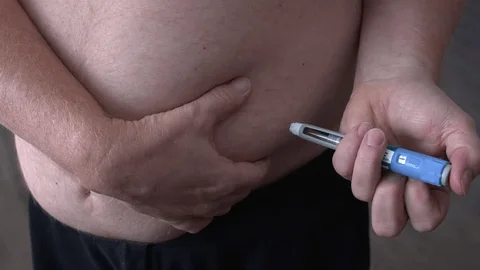

Ozempic contains semaglutide; it is an injectable GLP-1 medication used for adults with type 2 diabetes and clinician-directed weight management. The medication works through hormonal pathways. Because the medication affects insulin release, liver sugar output, digestion, and appetite signals, a clinician reviews the patient’s health history before treatment begins, and the care team monitors response over time. Treatment exists as one part of a broader medical plan rather than a stand-alone replacement for nutrition guidance, physical activity, follow-up visits, or side-effect review.
Mechanism
Clinicians match medication choices for Ozempic to documented needs, and patients follow plans that account for goals, health conditions, insurance coverage, and treatment tolerance. When therapy begins, care teams review dosage and monitor response; those steps keep treatment tied to observed medical changes instead of general weight concerns. The medication supports blood sugar management and supervised weight treatment. If treatment continues, a provider reviews progress and adjusts the plan when side effects or limited response affect use. This overview focuses on verified clinical information. It explains how the medication works, what outcomes treatment may produce, and what long-term use requires. Because current evidence describes both benefits and limits, the discussion stays focused on documented use and avoids broader claims outside established medical guidance.
GLP-1 is a gut hormone. Because semaglutide mimics glucagon-like peptide-1, it acts on several metabolic signals; those signals affect blood sugar and hunger. The medication helps the pancreas release insulin when blood sugar rises, and it limits sugar release from the liver. It slows digestion, and fullness lasts longer after meals.
Outcomes
Older medications often produced 5 to 10 percent weight loss. Results vary by patient, and treatment produces different responses across individuals. While GLP-1 medications such as semaglutide are associated with an average weight loss of 15 to 20 percent, treatment response still depends on individual factors, and patients with higher starting weights may require other obesity treatments to reach a healthier range. Individual treatment plans do not guarantee specific outcomes.
Use
Patients use the medication through prescribed treatment plans, and clinicians review the response during follow-up visits. Treatment requires a prescription. If a person seeks GLP-1 treatment, a clinician reviews health history, weight goals, insurance coverage, and lifestyle, and the selected medication must fit those factors. Weight management treatment applies to adults with a body mass index of 30 or above, or 27 or above with related conditions. Patients use the injection at home in the arm, abdomen, or thigh.
When side effects occur, patients report nausea, vomiting, constipation, diarrhea, abdominal cramping, or reflux, and some patients stop treatment. Follow-up visits document tolerance and treatment response. Patients often regain weight after stopping GLP-1 medication, and long-term management patterns resemble treatment approaches used for chronic conditions. Long-term therapy is typical.
Get Ozempic Today
Ozempic has limits. Because semaglutide affects blood sugar, appetite, digestion, and tolerability, patients need medical review before treatment begins, and clinicians match treatment to documented medical needs. It supports blood sugar control and weight management, but continued oversight remains part of care. A documented plan keeps treatment decisions grounded during ongoing review. Get Ozempic today to begin your weight loss journey.
