

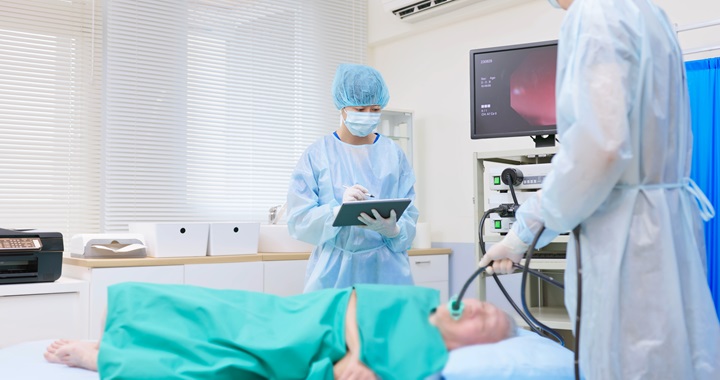

Doctors perform specialized endoscopic procedures and screenings routinely, and these help them look directly inside the body for hidden problems. Because these specific tests find hidden health problems early, medical professionals use them in daily practice. Preventive screenings happen long before physical symptoms appear, and they effectively guide your ongoing medical care plan. Here is more information on the role of these procedures and screenings:
Examining Digestive Tract
When a doctor examines your digestive system thoroughly, they use a small, highly specialized medical camera safely. A long flexible tube holds the tiny lens, and it sends pictures to a screen. High-quality images clearly show the delicate lining of your stomach and intestines to doctors. This technology works well, and the medical team inspects your internal organs without making large physical incisions.
This direct internal view finds concealed inflammation quickly, or it shows problematic bleeding areas right away. Trained medical teams study these precise visual details carefully throughout the clinical examination. If the examining doctor spots a suspicious internal issue, they take a small tissue sample immediately. Patients typically recover from these straightforward diagnostic medical procedures quickly in a comfortable clinical resting area afterward.
Evaluating Symptoms
Unexplained persistent stomach pain requires a thorough medical evaluation by a highly trained healthcare professional right away. You might experience ongoing painful digestive issues, and the endoscopic test identifies the exact underlying physical cause. Since standard blood tests lack some specific internal details, a physical endoscopy gives direct and clear answers. Healthcare providers may recommend these internal exams to investigate several physical stomach complaints directly.
Evaluations can detect:
- Persistent daily acid reflux
- Difficult time swallowing solid food
- Unexplained sudden weight changes
Detecting Polyps
When you reach a designated age, routine preventive colonoscopies become a standard part of care. These specific medical screening tests look carefully for small abnormal growths of tissue in your lower colon. Doctors routinely call these tiny physical growths polyps, and they safely remove them immediately during the procedure. While many patients feel quite nervous initially, the entire screening process remains relatively quick and painless.
Colon polyps typically remain harmless at first, but some can become dangerous over a long period. Because immediate surgical removal stops this negative cellular change entirely, routine endoscopic procedures and screenings protect your long-term physical health. The clinic staff tests every single removed tissue sample thoroughly in a highly specialized medical laboratory.
Comprehensive laboratory results tell the attending medical doctor exactly about the specific cellular types present inside you. The detailed microscopic analysis takes a few days, and it provides very clear scientific facts for doctors. If the carefully examined cells show highly unusual growth patterns, your dedicated care team plans a treatment. Regular medical monitoring helps to check conditions, and it catches new abnormal growths before they develop into larger problems.
Preventing Cancer
While some diagnostic tests merely identify existing medical problems, these specific physical screenings actively stop terrible diseases. Abnormal human cells grow very slowly over many long years, so alert doctors find them quite early. Modern preventive healthcare relies on this very direct, hands-on medical intervention method. Because the proactive medical team removes dangerous precancerous tissues early, your risk of advanced illness drops significantly.
Schedule Endoscopic Procedures and Screenings
Regular medical checkups keep you well-informed, and they guide your future health decisions. Before you skip a recommended regular clinic check, ask your doctor about your personal risk factors. Proactive medical care monitors your digestive system effectively. Call a primary healthcare provider to schedule your routine endoscopic procedures and preventive medical screenings today.
