

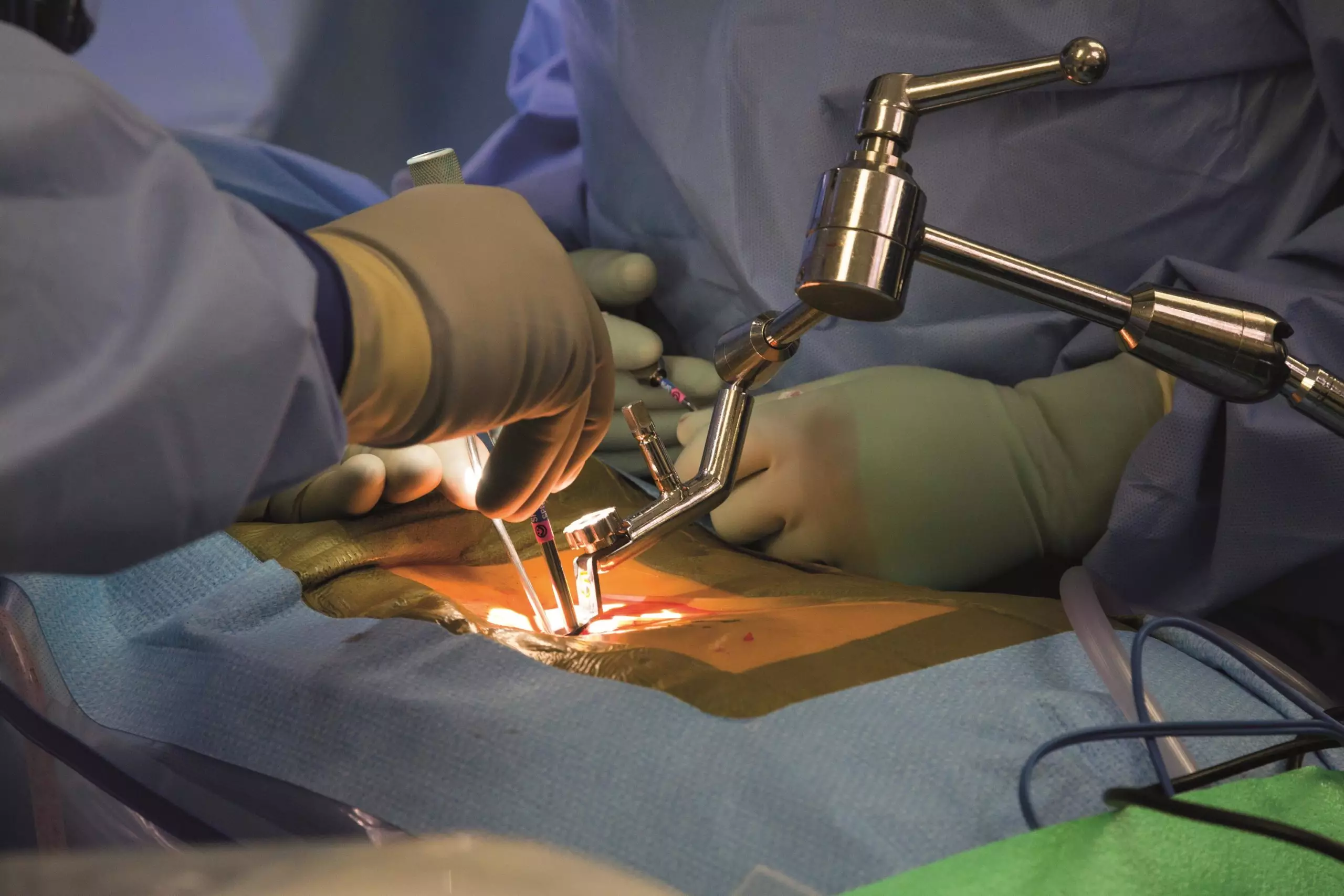

Complex spine surgeries address structural issues in your back, and they help when conservative methods fail. Doctors remove overgrown bone or damaged tissue, and they relieve direct pressure on the spinal cord. Because the spine supports the entire body, spinal decompression targets these underlying nerve compression issues directly. This is how complex spine surgeries can improve daily life:
Alleviating Pain
While pain medication temporarily masks daily symptoms, spinal surgery targets the actual root cause. Chronic back pain disrupts daily life routines, so experienced doctors offer targeted surgical interventions. Spinal decompression specifically targets localized nerve irritation in the lower or upper back. Patients follow detailed recovery plans to:
- Relieve pressure on compressed nerves, reducing radiating pain.
- Improve mobility by creating more space for nerve roots.
- Reduce inflammation in affected areas of the spine.
- Enhance blood flow to promote healing and tissue recovery.
- Address the root cause of nerve irritation, providing long-term relief.
Surgeons carefully cut away overgrown spinal ligaments, and they clear the narrow pathways completely. This precise action aims to reduce severe radiating leg pain over time. After the surgical site heals properly, individuals notice a distinct difference in their daily comfort.
Extending Range of Motion
Because stiff joints limit basic daily tasks, spine specialists may recommend motion-preserving surgical options. Artificial disc replacement typically maintains natural movement in the affected area. The newly repaired spine bends freely, and patients comfortably return to their normal routines. Physical therapy aids this entire process.
Relieving Pinched Nerves
When spinal discs herniate, they press heavily against nearby sensitive nerves. This constant pressure causes significant physical discomfort for many individuals. Surgeons remove the damaged disc material, and the affected nerve roots immediately gain much more space. The nerves typically function better as a result.
Bone spurs narrow the spinal canal, but decompression surgery aims to remove these bony blockages. Because the spinal canal opens up, electrical nerve signals travel throughout the body without interruption. Patients regularly undergo specific medical procedures to treat this issue. They heal over time.
Spinal stability directly affects your overall nerve health and daily function. Surgeons might fuse weakened vertebrae together, or they might insert modern artificial discs instead. If the spinal column remains firmly stable, the surrounding nerves function normally without ongoing friction; this helps patients move.
Restoring Mobility
Movement becomes difficult with a severely compromised spinal column. Since nerve compression causes muscle weakness, simple walking requires extra physical effort. Surgery relieves this heavy burden, and patients can regain their physical footing.
They notice changes in specific areas:
- Walking longer distances comfortably
- Standing straight without needing physical support
- Bending down to reach objects safely
- Completing household chores without stopping
With continued healing and physical therapy, individuals can restore basic movements and also gain the tools needed to engage in daily activities, which fosters a sense of independence and significantly improves overall quality of life.
Schedule Spinal Decompression Today
Severe back issues limit your daily life, but a medical team offers clear guidance. Before your current physical symptoms worsen, reach out to a spine and neurosurgery clinic. Book a medical consultation with a team of medical professionals specializing in spine surgery.
