

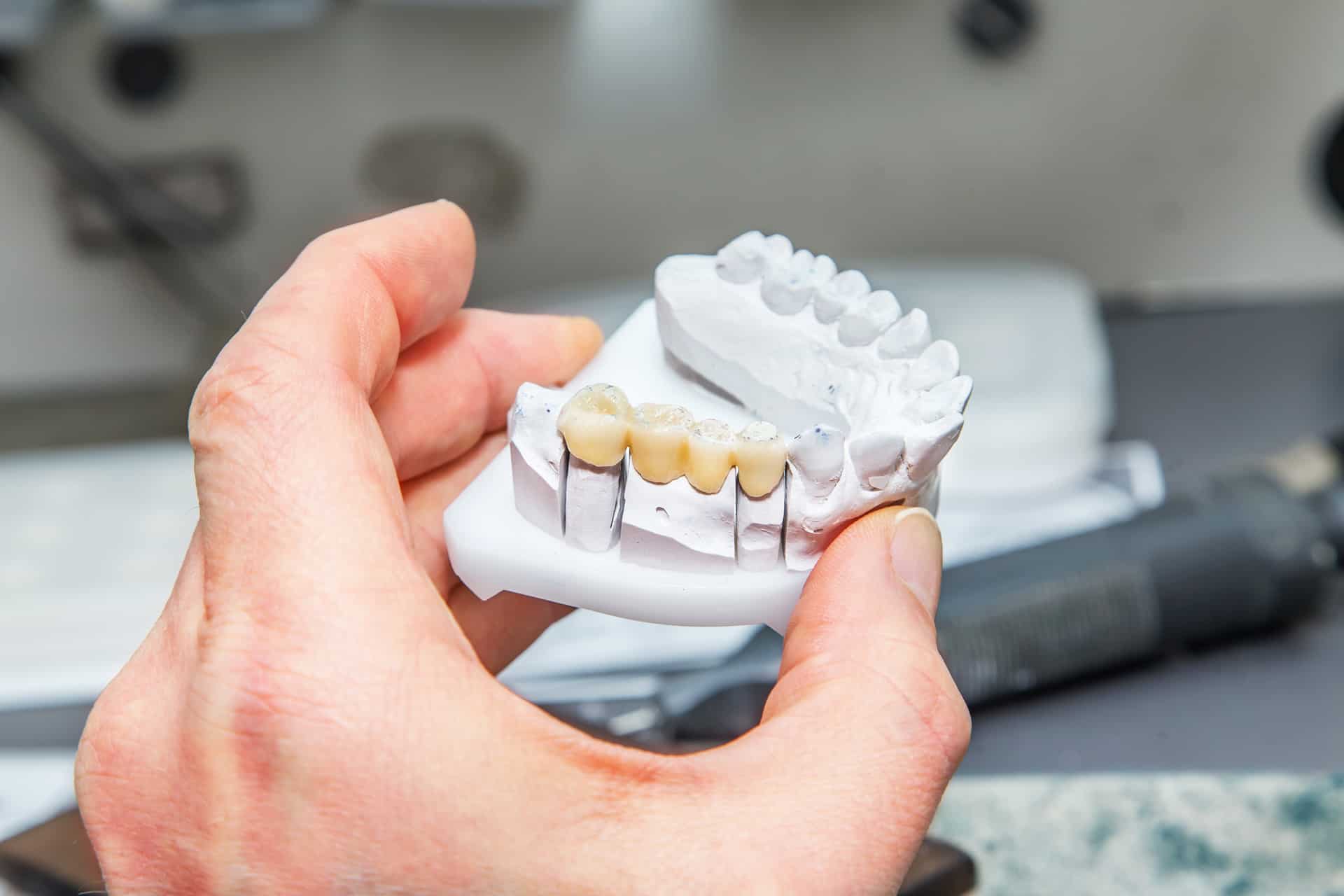

Dental care offers multiple methods for replacing missing teeth, and dental bridges represent a standard approach in modern clinics. A bridge fills the gap left by an absent tooth, restoring both the physical structure and the biting mechanics of the mouth. Understanding the mechanics of dental restorations helps patients make informed decisions about their oral health. Here is more information on the function of dental bridges and what the process involves:
What Are Bridges?
Dental bridges are fixed prosthetic devices that are cemented onto existing teeth or implants. They consist of one or more artificial teeth, which are formally known as pontics. These pontics span the empty space in the dental arch. The appliance relies on adjacent teeth for support, and these supporting teeth are called abutments.
The materials used for these restorations vary based on clinical requirements. Practitioners frequently use porcelain-fused-to-metal restorations, or they select all-porcelain materials for a metal-free option. The chosen material determines the appliance’s strength. Dentists evaluate the specific location in the mouth to determine the most suitable composition.
How Do They Work?
A dental bridge works by using the strength of neighboring teeth and distributing bite force evenly across the jaw. The abutment teeth receive crowns, which serve as the primary anchors for the artificial tooth in the middle. The pontic physically occupies the vacant space, preventing surrounding teeth from shifting out of alignment. This structural support stabilizes the bite, and it maintains the overall shape of the dental arch.
The biomechanics of the jaw require a continuous arch of teeth to function correctly. When a bridge is placed, it bridges the mechanical gap, and it transfers the chewing load across the supporting structures. The abutment teeth bear the pressure of the pontic during mastication. This system mimics the natural force distribution of original teeth.
What Do They Treat?
Dental professionals use bridges to treat the specific condition of missing teeth. Tooth loss occurs for various reasons, such as dental decay, periodontal disease, or physical trauma. When a gap remains empty, adjacent teeth tend to drift into the open space, and this movement causes malocclusion. A bridge addresses this structural deficit directly, preventing subsequent complications in the jaw.
What Does the Process Involve?
The dentist first prepares the abutment teeth. This involves removing a portion of the enamel to accommodate a crown. The practitioner takes impressions of the teeth, and a dental laboratory uses these models to fabricate the bridge. A temporary bridge covers the prepared teeth to protect them between visits.
During final placement, the dentist removes the temporary bridge and checks the permanent restoration for proper fit and color match. The practitioner makes necessary adjustments to the framework, then cements the bridge into place. Patients receive instructions on oral hygiene, and routine checkups monitor the restoration’s condition over time.
What Are the Benefits?
Dental bridges provide immediate structural restoration in the mouth, preventing the remaining teeth from shifting out of position. The appliance’s fixed nature means patients do not need to remove it for cleaning. Modern materials closely mimic the appearance of natural teeth, and the restoration functions similarly to the original dentition.
Learn More From a Dentist
Dental bridges offer a clinical solution for replacing missing teeth and restoring the physical integrity of the dental arch. The procedure involves preparing adjacent teeth, placing a custom appliance, and permanently securing it. Patients regain normal chewing function, and the structural balance of the jaw remains stable. Schedule a consultation with your local dental clinic to discuss your specific restorative needs.
