


Children’s dental treatments guide the growth of a young patient’s jaw and teeth. Orthodontists treat bite and alignment problems early, and this care stops severe issues later. Because treatments create room for adult teeth, they help prevent tooth decay and chipped teeth. Here is more information about children’s orthodontics and how they can set children up for good oral health in the future:
Exploring Children’s Orthodontics
Children’s orthodontics is typically a form of preventive dental care. Dentists identify structural issues in young mouths with X-rays and imaging, and they apply treatments before bones fully harden. When a child receives early care, the interventions guide jaw development properly. This early action can prevent severe crowding in the future.
Some young patients exhibit habits like thumb sucking or tongue thrusting. These habits distort the shape of the mouth, and early orthodontic appliances help reshape the results of these unwanted patterns. There are a few different types of orthodontic appliances that orthodontists typically prescribe for children.
Some common appliances may include:
- Braces
- Expanders
- Space savers
Wearing Dental Braces
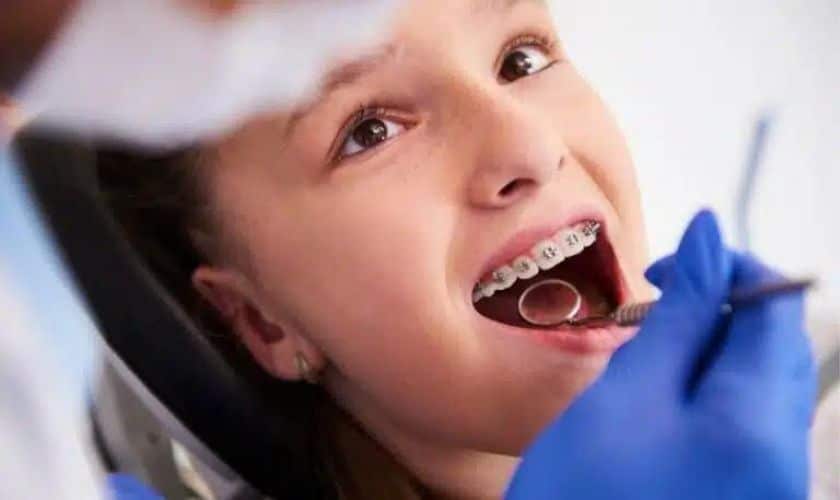
Braces shift misaligned teeth into their proper positions over time. The brackets hold wires firmly in place, and the gentle pressure moves the teeth gradually. Since crooked teeth trap food particles, straightening them may help prevent tooth decay.
Both metal brackets and ceramic brackets correct bite misalignments, but ceramic versions offer a more discreet look. Proper alignment stops uneven tooth wear from occurring. Good oral hygiene remains a top priority during this phase, which means brushing twice a day and flossing once a day.
Brushing around brackets takes extra effort, and flossing requires special tools. While braces fix structural problems, clean teeth prevent painful cavities. A diligent cleaning routine and regularly scheduled dental cleanings protect the enamel from decay.
Applying Space Maintainers
When a child loses a baby tooth early, nearby teeth shift into the empty gap. Space maintainers keep this area open, and the adult tooth can emerge properly. Without these devices, the new tooth may erupt at a strange angle in certain patients.
- Prevents misalignment of teeth by maintaining proper spacing.
- Supports proper eruption of adult teeth in their designated positions.
- Reduces the need for more extensive orthodontic treatments in the future.
- Helps preserve the child’s natural bite and jaw alignment.
- Minimizes the risk of overcrowding and potential dental complications.
Using Pallate Expanders
Expanders widen a narrow upper jaw to fix crossbites. A wider jaw creates extra room, and this space relieves severe tooth crowding. As the child turns the expander key, the palatal bones separate gently.
While this gradual expansion improves breathing, it also positively influences chewing. This tool acts as a guide for future adult teeth. The custom device sits in the mouth, and children adapt to it over time.
Learn More About Children’s Orthodontics
Early dental interventions create a foundation for a healthy smile. Braces straighten crooked teeth, and space maintainers guide adult teeth into proper alignment. These proactive treatments make room in a child’s mouth to prevent crowding and other complex issues in the future. If you want to learn more about children’s orthodontics, consult an orthodontist near you.
