

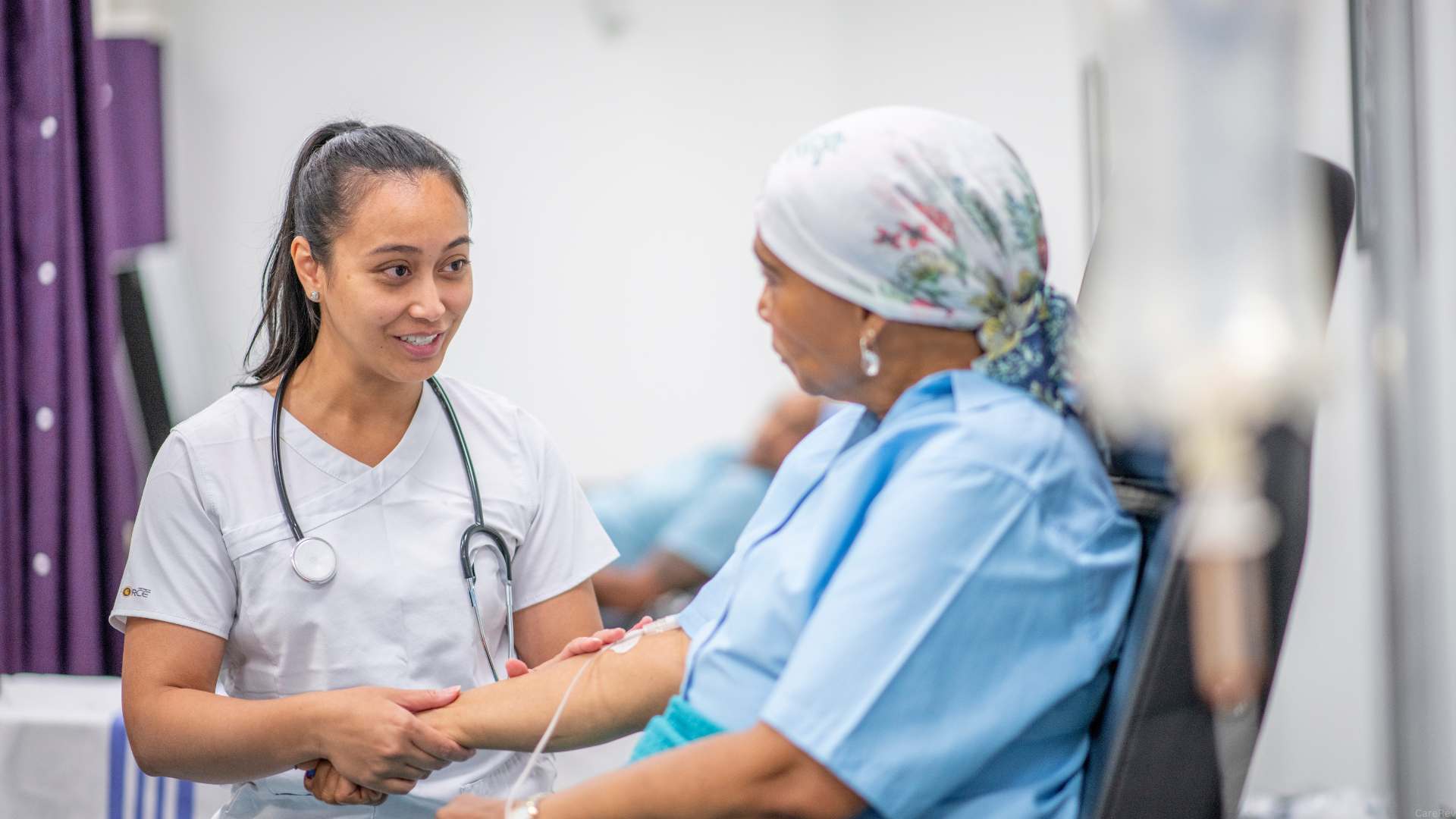

An oncologist plays a central role in the diagnosis, treatment, and ongoing management of cancer, serving as a key coordinator within a multidisciplinary care team. From developing personalized treatment plans to collaborating with surgeons and radiologists, together with other specialists, the oncologist makes sure that each aspect of a patient’s care is aligned and evidence-based. This coordination is key to optimizing outcomes and managing side effects at every stage of their cancer care.
a) Building Diagnosis and Care Plans
Your care will begin with a thorough diagnosis, and then your oncologist will create a clear treatment plan. They will review your medical history and order specific tests. This helps them understand your unique situation. The specialist evaluates the results to identify the disease, discuss the available options, and design a roadmap for your upcoming therapies.
Your doctor will explain each medication and procedure, so you will never have to guess what happens next. They will map out the logistics of your clinic visits, so you feel prepared. This structured approach keeps you informed before therapy starts, and the transparent dialogue helps reduce anxiety, empowering you to participate in your own care.
b) Leading a Multidisciplinary Care Team
Your cancer treatment will likely involve more than one medical professional, but think of your oncologist as the team captain. They bring together a range of experts to support your health. This team may include a radiation therapist, a surgeon, and specialized nurses. Your oncologist coordinates communication among these professionals to make sure there are no gaps in your care.
Everyone on the medical staff stays on the same page. You will not have to repeat your medical history to every nurse. The team shares data securely, which helps streamline your visits. This level of organization is fundamental for a smooth care experience. Your doctors will sometimes review the latest research together, so they bring a wealth of knowledge to your specific case.
c) Managing Treatment and Monitoring Progress
Once your therapy begins, your tumor specialist closely monitors your body’s response and schedules regular check-ups to track any changes in your condition. A chemotherapy specialist knows which signs to look for and might adjust your medication for optimized effectiveness. Their goal is to make sure you are comfortable.
A key part of their job involves keeping you informed about your progress. You will receive regular updates on your blood work and scan results, and the doctor will patiently answer your questions and listen to your feedback during these follow-up appointments. This ongoing dialogue leads to an effective treatment, and if an issue arises, they pivot the strategy immediately.
d) Coordinating Long-Term Care and Survivorship
The end of active treatment is the start of a new phase called survivorship, and your oncologist will help you adjust. They create a long-term care plan to monitor your health. This plan outlines screenings, lifestyle changes, and wellness goals, so you know what milestones to aim for. Follow-up visits are scheduled in advance, which keeps you accountable for your wellness.
Your oncologist offers continuous guidance, ensuring you thrive after treatment. Their productive approach to survivorship encourages active participation because your health remains a priority. The doctor celebrates your victories and establishes themselves as a constant source of support while they help you transition into a new life.
Schedule Your Oncologist Consultation Now
Coordinating your care requires expertise, dedication, and clear communication. Your oncologist manages every detail of your treatment and stands by your side from the first consultation through survivorship. They handle the complex logistics so you can focus entirely on your healing. If you have questions about your health, reach out to an oncology doctor today. Schedule a consultation with a cancer specialist to discuss your unique needs and build a comprehensive plan. Let a specialist guide you through the process with clarity because your future health depends on making informed choices.
