

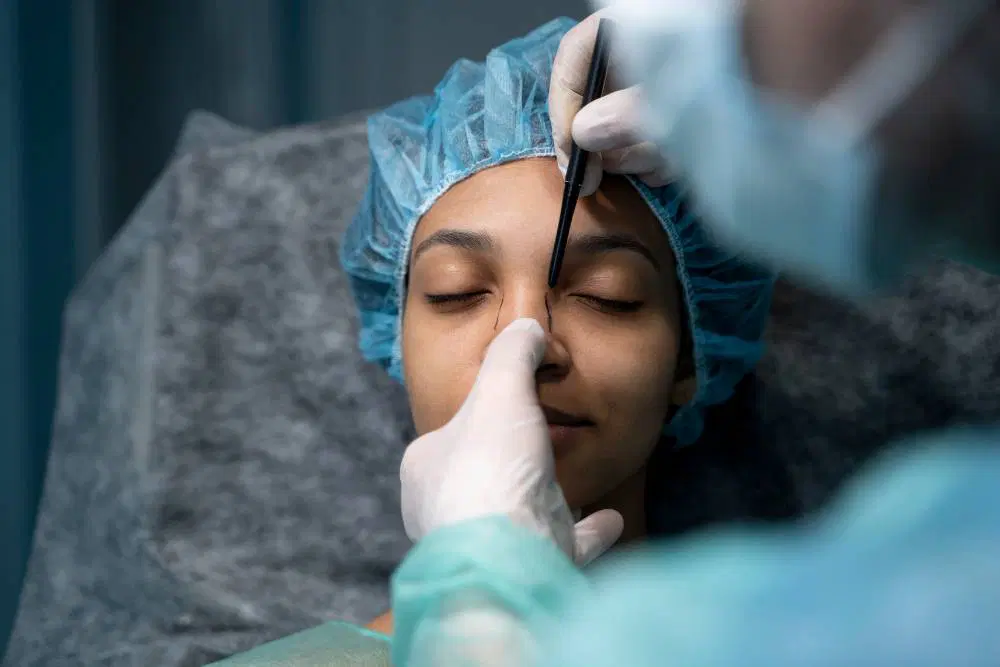

An oral surgeon treats complex conditions involving the teeth, mouth, and jaw, and their training allows them to manage severe injuries. When a patient arrives at the hospital with facial injuries, these surgeons assess the injuries and develop a tailored treatment plan. They often work alongside other medical professionals to repair structural damage and restore function to the lower face. Here is more information about the role of oral surgeons in treating facial trauma:
Provides Comprehensive Diagnosis
When an injury occurs, medical teams need information about the damage before proceeding with surgical interventions. An oral surgeon performs detailed clinical examinations of your face, mouth, and neck. They order specific imaging tests, like 3D CT scans and panoramic X-rays, to visualize bone fractures and soft-tissue lacerations. By analyzing these images, the surgical team identifies the exact locations of broken teeth or fractured jawbones; this helps doctors prepare the right instruments and techniques for the procedure.
Creates Dental Prosthetics
Knocked-out or shattered teeth require specialized replacement methods after a severe physical accident. To address this loss, an oral surgeon can place titanium dental implants into the jawbone to serve as artificial tooth roots. The surrounding natural bone should fuse with these metal posts, and then custom-made crowns or bridges are attached to the implanted fixtures.
If the trauma damages a large portion of the gums or underlying bone, the surgeon performs targeted bone grafts to build a stable foundation. These grafts provide the necessary physical volume to support the artificial teeth long-term. This process takes time, but it allows patients to regain chewing and speaking abilities. Prosthetic teeth function much like natural teeth once the surgical area fully heals.
Restores Jaw Structure
Facial trauma frequently involves complicated upper or lower jaw fractures that require immediate intervention. Surgeons use specialized medical-grade plates, tiny titanium screws, and rigid wires to stabilize these broken bones. Temporarily wiring the jaws shut keeps the bones in the correct position during the initial healing process, and it reduces the risk of further displacement.
Severe impacts might also dislocate the temporomandibular joint, which connects the jaw to the base of the skull. In these complex cases, the surgeon manually realigns the joint; this allows normal mouth opening and closing in the future. Patients follow a carefully monitored recovery plan over several weeks of healing.
Repairing the jaw supports the surrounding facial tissues, muscles, and salivary glands. Surgeons align the dental arches so your upper and lower teeth meet correctly when you bite down. This alignment process preserves the natural structure of your lower face, and it helps restore chewing and speech function over time.
Work With an Oral Surgeon
Addressing facial trauma requires an oral surgeon, who can develop custom implants that fit comfortably. They evaluate your injuries and develop a structured plan to repair broken bones and replace missing teeth. Surgeons also guide you through the recovery process, and this reduces the risk of complications during recovery. Schedule a consultation with an oral surgeon today to discuss your treatment options.
