

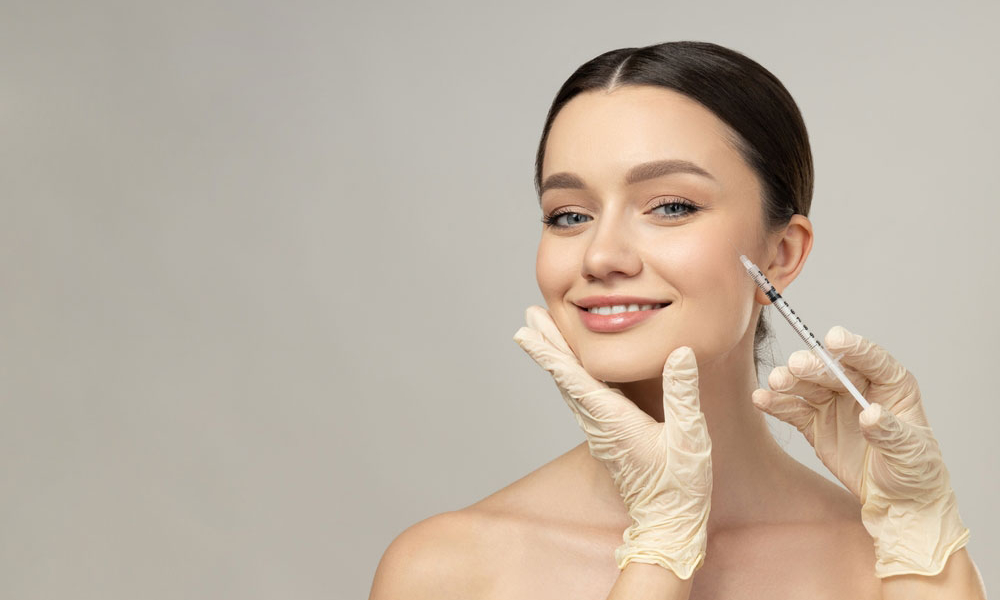

Botox is a widely recognized cosmetic treatment derived from botulinum toxin type A. In the field of facial aesthetics, practitioners use it to temporarily alter the appearance of specific facial lines and wrinkles. Many individuals seek this procedure for aesthetic reasons, but it also has various applications in general medicine. Understanding the nature of this substance is the first step for anyone exploring aesthetic modifications.
Introduction to Botox
Botox is a purified protein formulation utilized in both cosmetic and therapeutic settings. When administered by a trained professional, it targets specific facial muscle groups. The dosage is measured in units, and the required number of units varies depending on the treatment area and the strength of the targeted muscles. The product is delivered via a fine needle directly into the designated areas. This process takes only a short time to complete in a clinical environment.
The cosmetic industry has utilized this protein to modify facial aesthetics. Note that this procedure does not stop the aging process; instead, it serves as a temporary method to alter the behavior of facial muscles. Setting realistic expectations is recommended before beginning any aesthetic treatments.
Botox Mechanism of Action
The mechanism of action involves temporarily disrupting nerve signals to targeted muscles. A practitioner injects the solution, and it blocks the release of acetylcholine. Acetylcholine is a neurotransmitter responsible for facilitating muscle contraction. Without this signal, the targeted muscle relaxes temporarily. This relaxation smooths the overlying skin to reduce the appearance of dynamic wrinkles.
Dynamic wrinkles are lines that form from repeated facial movements, such as smiling or frowning. This specific treatment primarily addresses dynamic wrinkles. The effects of the injection are not permanent. Most individuals notice changes within a few days. These alterations generally last for three to four months before normal muscle function gradually returns. The treatment involves small injections into specific areas, so patients often return to their normal daily activities immediately. Maintenance requires subsequent appointments based on an individual’s timeline.
Following the procedure, providers typically advise patients to follow specific aftercare instructions. These guidelines often include avoiding strenuous exercise for a short period. Patients are also instructed to keep their heads elevated, and they are encouraged to avoid rubbing the injection sites. Adhering to these guidelines helps prevent the solution from migrating to unintended areas.
Applications of Botox
Practitioners utilize this treatment for several specific areas of the face. During an initial assessment, the provider will review your medical history to confirm safety. They will ask about any medications or supplements you currently take. This evaluation is a standard part of the protocol. The approach depends entirely on the individual’s facial anatomy and aesthetic goals. A practitioner evaluates your facial structure, and they develop a precise plan for the injection sites.
Common applications include:
- Glabellar lines: These are the vertical lines that appear between the eyebrows during frowning.
- Horizontal forehead lines: These creases form across the upper forehead when raising the eyebrows.
- Lateral canthal lines: Often called crow’s feet, these lines radiate from the outer corners of the eyes.
- Perioral lines: These are the fine lines that can develop around the mouth.
- Nasalis lines: Sometimes referred to as bunny lines, these appear on the sides of the nose when wrinkling it.
This targeted approach helps maintain a natural facial expression while addressing the patient’s specific aesthetic concerns.
Ask a Dermatologist Today
A board-certified dermatologist can provide a comprehensive evaluation of your facial aesthetics. These specialists have advanced training in facial anatomy and aesthetic medicine, and they can discuss whether this approach aligns with your specific goals. If you are evaluating this procedure, schedule a consultation with a qualified provider. Prioritize finding a licensed medical professional with extensive experience in cosmetic injections. Ask your dermatologist any questions about the treatment process, potential side effects, and expected outcomes.
