


Hip replacement surgery is a standard medical procedure for individuals experiencing severe joint pain, and it may restore mobility. A comprehensive understanding of the procedure helps set realistic expectations for rehabilitation. Here is more information on this surgery and the specific long-term outcomes patients typically experience:
What Is Hip Replacement Surgery?
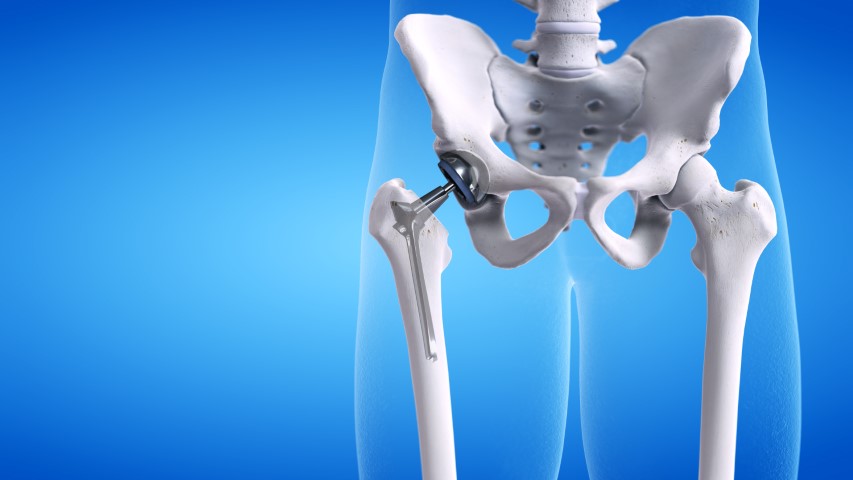
Hip replacement is a surgical procedure that replaces a damaged hip joint with an artificial implant. The artificial joint may consist of metal, ceramic, or hard plastic components, which replicate the natural gliding motion of a healthy hip. Orthopaedic surgeons remove the diseased bone and cartilage during the operation. This intervention eliminates the source of joint friction, and patients may experience immediate mechanical stabilization.
How Does It Work?
The surgeon makes an incision to access the hip joint, moving the surrounding muscles to expose it. They then remove the damaged femoral head, prepare the pelvic bone, and secure the new prosthetic socket. The orthopaedic surgeon inserts a metal stem into the femur and attaches a prosthetic ball to the stem, forming the new joint. The incision is closed, and the patient is moved to a recovery area for monitoring.
Why Is It Conducted?
Physicians may recommend this surgery when conservative treatments fail to provide adequate pain relief. Osteoarthritis is a common diagnosis leading to this operation, as this condition causes the progressive breakdown of joint cartilage. Rheumatoid arthritis can also necessitate the procedure due to severe joint inflammation. Other indications include traumatic fractures, which severely compromise the structural integrity of the hip.
Patients typically present with persistent pain that interferes with daily activities like walking or climbing stairs. The joint stiffness limits mobility, and the pain may disrupt normal sleep patterns. Physical therapy and medications are the first options for treatment. These non-surgical interventions may eventually fail to manage the symptoms effectively, necessitating surgical joint replacement.
What Are the Long-term Impacts?
The long-term impacts of the procedure center on restored physical function and structural durability. Modern prosthetic joints are designed for longevity, lasting many years. Patients benefit from adhering to specific physical restrictions during the initial healing phase to prevent dislocation. Over time, the surrounding muscles strengthen and adapt to the new joint, and this muscular support provides lasting stability.
Routine follow-up examinations help monitor the implant’s condition. Wear and tear on the prosthetic components occurs gradually, with some patients eventually requiring a revision surgery. Maintaining a healthy body weight reduces the mechanical stress on the artificial joint. Low-impact exercises like swimming or cycling promote joint health, but physicians may advise against high-impact sports like running.
What Are the Benefits?
The primary benefit of the operation is the reduction of chronic joint pain. Patients may regain the ability to perform routine daily tasks without severe discomfort, thereby improving their overall quality of life. The restored mobility may allow individuals to participate in physical activities that were previously impossible. Improved physical function correlates with better cardiovascular health, and it helps patients maintain a more active lifestyle.
Consult an Orthopaedic Specialist Today
A thorough medical evaluation is the first step toward addressing chronic hip pain. An orthopaedic specialist will review your medical history, and they will conduct a physical examination of the affected joint. Diagnostic imaging will provide a clear picture of the bone structure. Schedule a consultation with a qualified surgeon to discuss your specific condition.
