

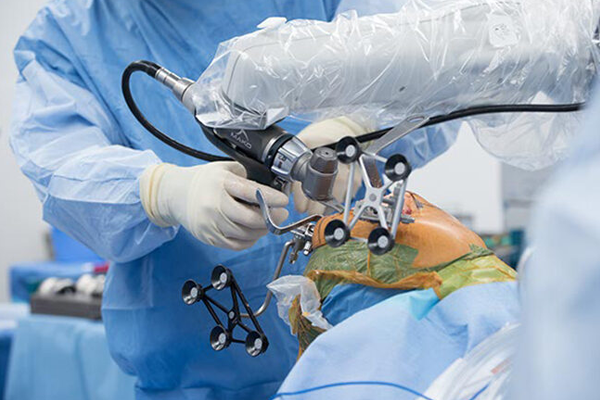

Joint replacement represents an area where modern developments have changed the surgical approach, as surgeons can now utilize specialized equipment to perform these operations with a high level of precision. Robotic joint replacement integrates computer software and mechanical systems, aiding the operating physician. Many patients explore these options when non-operative treatments fail to relieve their ongoing discomfort.
What Is Robotic Joint Replacement?
Robotic joint replacement is an advanced surgical technique utilized to remove deteriorated sections of a joint. After extracting the damaged bone and cartilage, the surgeon places artificial components made from durable metals, ceramics, or high-grade plastics into the empty space. These parts replicate the structure of a healthy joint.
The robotic aspect refers to the specialized tools the physician uses to execute the surgery. Rather than relying solely on manual instruments, the surgeon utilizes a computer-guided robotic arm. These systems allow the medical team to map the patient’s anatomy before making any incisions. This method is not an automated process where a machine operates independently; the physician maintains total control over the robotic arm at all times.
Who Is It For?
Orthopedic physicians utilize robotic joint replacement to address severe joint deterioration that no longer responds to conservative treatments. Medical professionals generally start with non-operative therapies, such as physical rehabilitation, prescription medications, and localized injections. These methods may fail to provide adequate relief, so surgery then becomes a viable next step.
Patients receiving this treatment typically experience persistent joint pain that interferes with their daily routine. This pain might prevent basic activities, like walking, climbing stairs, or standing for extended periods. Some individuals even experience significant discomfort while resting and struggle to fall asleep at night.
Beyond persistent pain, severe stiffness can signal the need for joint intervention. A joint that has lost its normal range of motion limits a person’s physical capabilities. These procedures address structural damage to restore functionality. Medical professionals assess each patient individually and determine if they qualify for the operation.
What Does It Involve?
The process begins long before the actual operation takes place. Your surgeon may request a three-dimensional scan of the affected joint, which provides a detailed digital model of the patient’s bone structure. The medical team uses this model to plan the different aspects of the artificial implant, such as its exact size, placement, and alignment.
During the operation, the surgeon removes the diseased tissue. The robotic system utilizes specific technology, limiting the movement of the surgical tools to a predefined area. This helps preserve healthy bone and limits trauma to nearby muscles.
Once the surgeon prepares the bone surface, they secure the new artificial components. They may use a press-fit technique that can encourage natural bone to secure the implant. The doctor then tests the joint to verify proper movement.
Following the procedure, the recovery phase begins immediately. Patients receive specific rehabilitation protocols tailored to their unique surgery. Physical therapy guides the patient through progressive exercises, which aim to rebuild strength and restore movement.
Consult an Orthopedic Surgeon
Exploring medical interventions for joint pain requires expert guidance from a professional. An orthopedic surgeon possesses the specialized training required to evaluate complex skeletal conditions accurately and determine if surgery can help. If persistent joint discomfort disrupts your daily life, scheduling a comprehensive evaluation with an orthopedic specialist is the recommended first step.
